

Apr 1, 2026
Share:
Subscribe now and get our latest blog and video content delivered straight to your inbox.
Apr 1, 2026
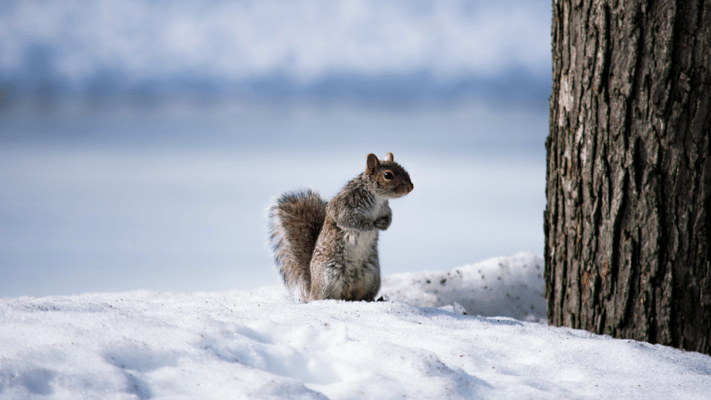
TL;DR: Tree squirrels don't truly hibernate (they use short torpor and cached food), while most ground squirrels do. Generally, spring's increased squirrel activity is driven by warming temperatures, breeding season, and food availability rather than squirrels "waking up."
It’s spring. The sun is shining, the birds are singing, and… the squirrels are back?
Darting around the likes of neighborhoods and cityscapes alike, now that the snow’s melted away, squirrels are suddenly impossible to ignore.
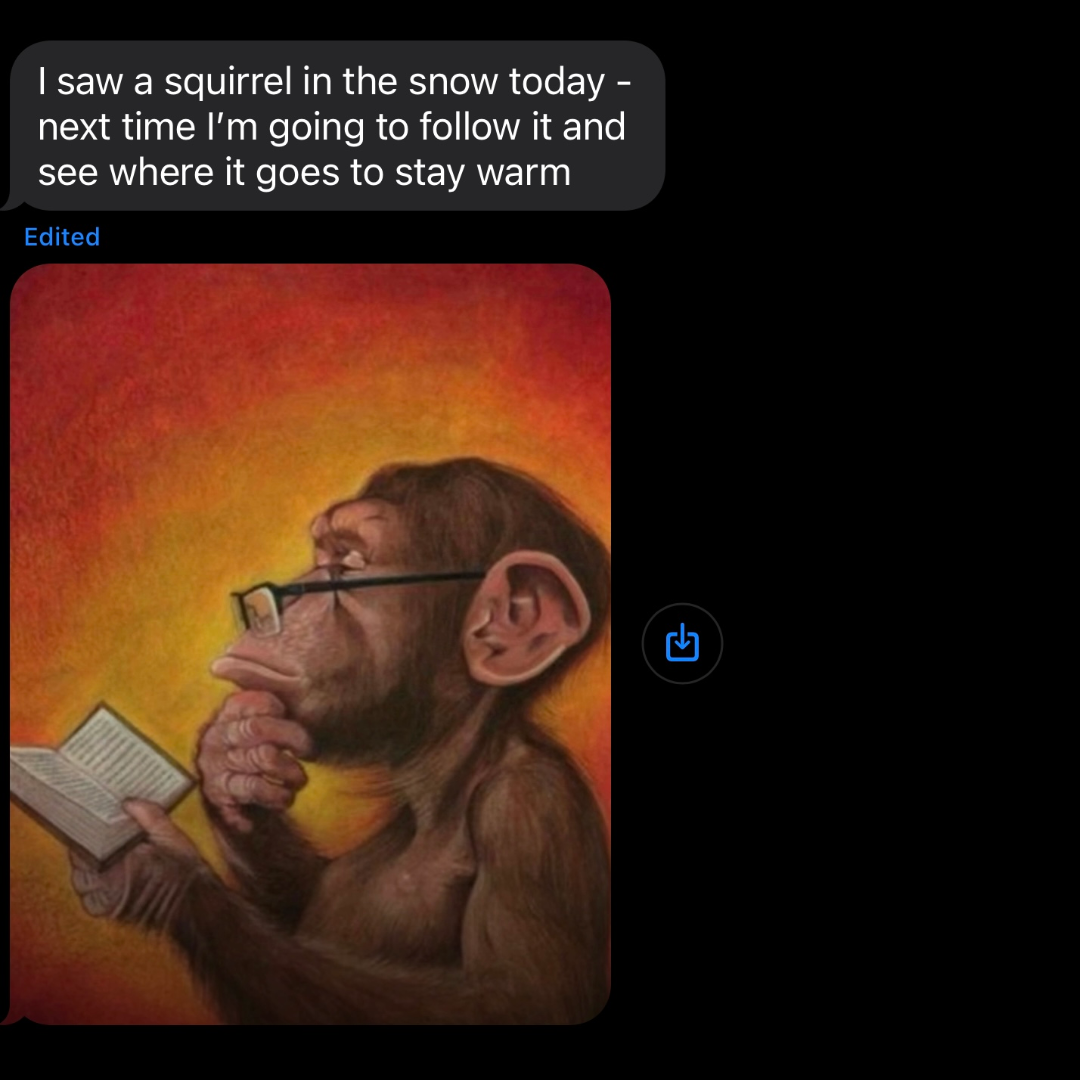
Right on cue, one of my brothers noticed the same thing on his college campus. Knowing I work with pest and wildlife professionals (or at least after I’d sent one too many animal behavior articles in the family group chat), he asked me this:

As any good big sister would, I told him he’d have to wait for the blog post.
Do Squirrels Hibernate?
It's a deceptively simple question; it depends on the type of squirrel.
Tree squirrels don’t hibernate, but most species of ground squirrels do.
Instead of hibernating, tree squirrels enter short periods of torpor during the winter. This allows them to conserve energy in the comfort of their dens or nests (called dreys), while still waking periodically to eat.
Ground squirrels take a different approach. They build up body fat before winter and enter a true hibernation.
Tree squirrels, on the other hand, rely on food storage. In the fall, they bury nuts and seeds in scattered locations called caches, then use their sense of smell to find them later — even under snow.
So while you might see fewer squirrels on especially cold or snowy days, most aren’t sleeping through the season.
How Do Squirrels Stay Warm?
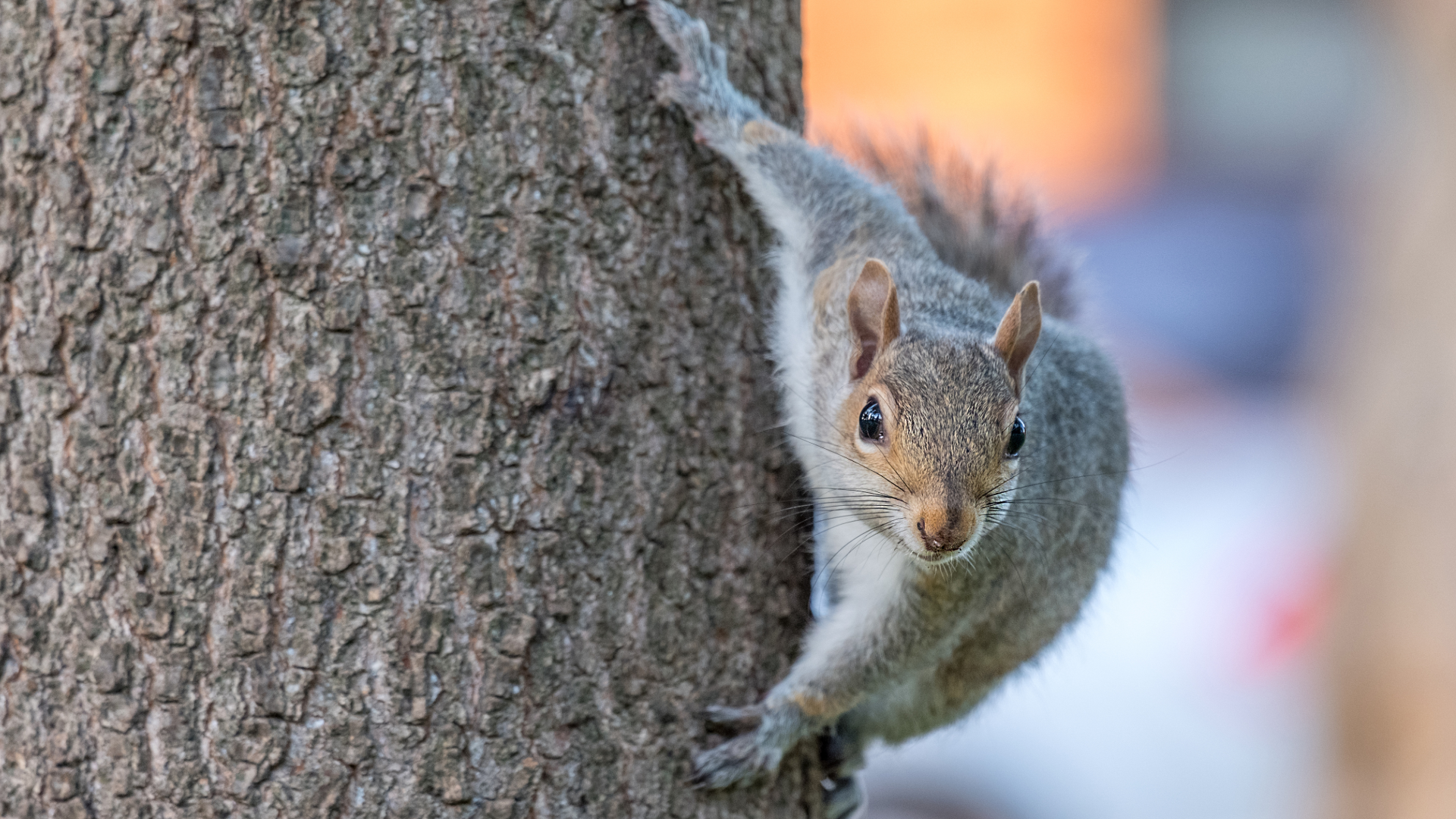
Squirrels are well-equipped for winter.
Their dense fur coats help retain heat, and shivering gives them the ability to generate additional warmth when needed..
When resting in dens or dreys, squirrels may also share space to conserve heat, often during colder stretches.
Where Do Squirrels Build Dens or Dreys?
Tree squirrels typically find shelter in:
- Tree cavities
- Dreys (packed-leaf-and-twig nests)
- Abandoned homes of other animals
Ground squirrels, as to be expected, live in underground burrows.
It’s not uncommon for squirrels to move into human structures to escape the cold, too. Common entry points on houses include:
- Gable end vents
- Soffit vents
- Roof vents (static, powered, mushroom, ridge)
- Chimneys
- Bathroom and dryer vents
- Dormer gaps
- Crawl space vents
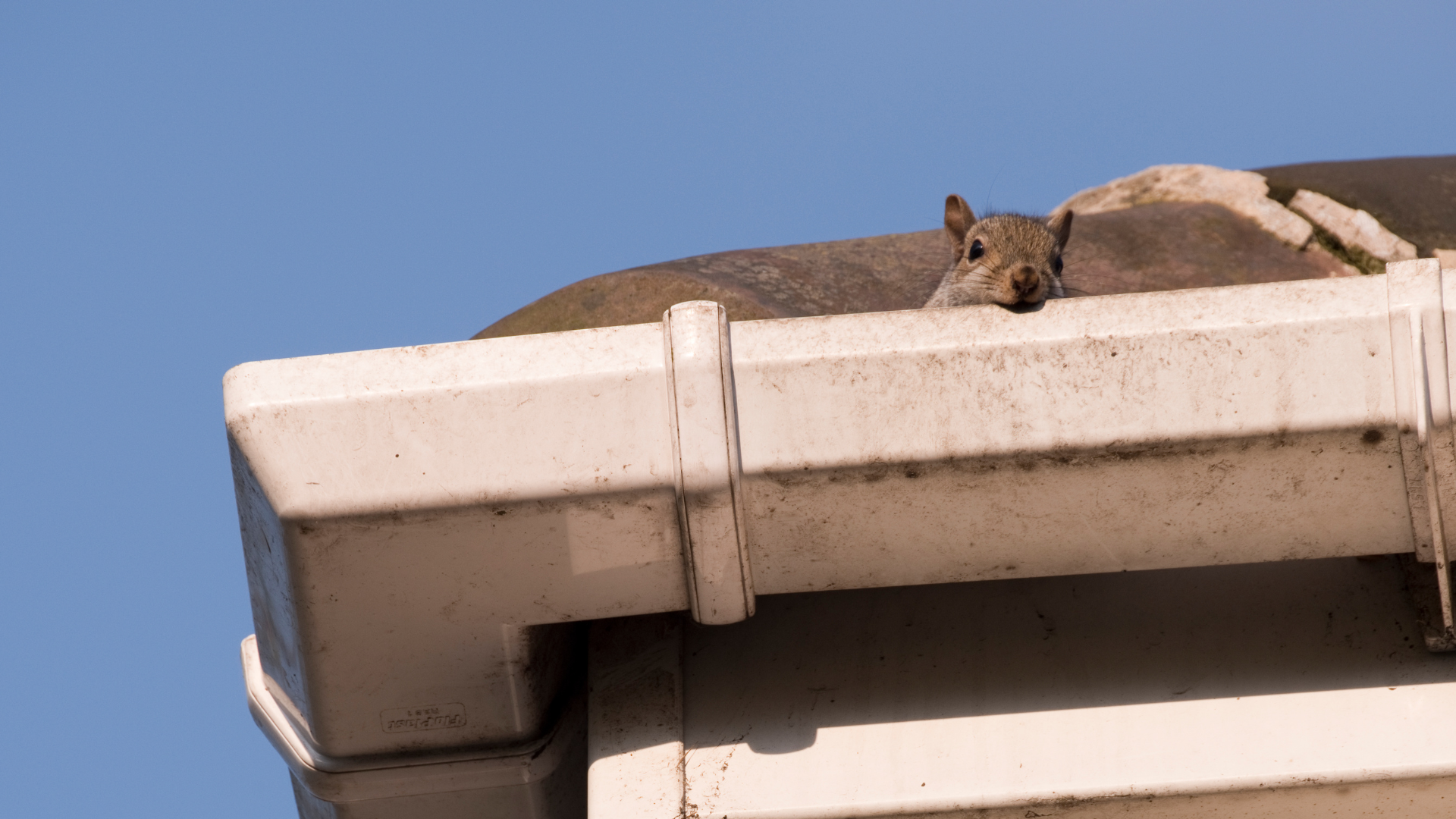
Even minor wear or damage can give squirrels access to attics, where they then come and go freely.
When Can You Expect to See Squirrels Again After Winter?
Although many squirrels stay active all winter, their visibility increases as temperatures rise.
You’ll typically spot more activity in late February and early March, with a sharp increase in April as food becomes more available.
A few key patterns:
- Breeding season: Late winter and early spring mark mating time for squirrels
- Weather-dependent movement: On warmer winter days, bring more foraging or searching for cached food
- Emergence of young: Juvenile squirrels begin leaving nests around mid-to-late May
- Species differences: Ground squirrels may stay in their burrows longer, while tree squirrels show greater activity on milder days
Why Squirrels Can Be Destructive
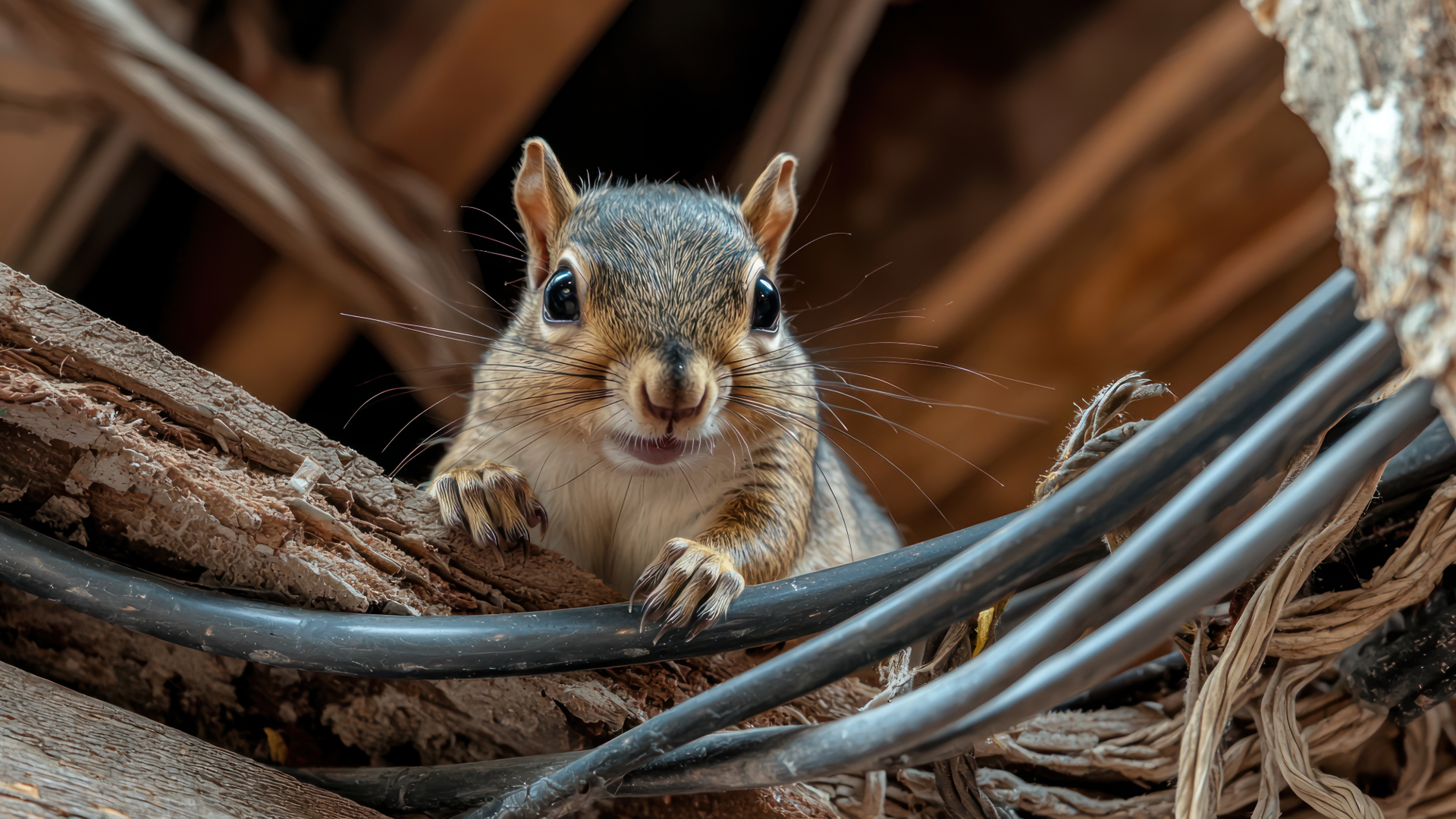
Squirrel teeth never stop growing, and gnawing helps keep them filed down. It’s not personal.
In a Nutshell
So, do squirrels hibernate?
Not exactly, or at least, not all of them. While ground squirrels tend to sleep through the winter, tree squirrels stay active, relying on stored food and short periods of rest to get by.
For anyone (like my brother) wondering where squirrels go during the winter, I hope this helps!

And to my brother himself… you’re welcome.
