
Feb 20, 2026
Share:
Subscribe now and get our latest blog and video content delivered straight to your inbox.
Feb 20, 2026
Some call February the “un-month.” It’s the shortest month, it’s often bleak, and it’s perched between winter and spring — a reminder of what was and what’s coming.
For many, it feels like a waiting game. But February doesn’t have to be a passive month.
A proactive February home maintenance checklist helps prevent costly winter and spring damage, improve energy efficiency, boost safety, and prepare your home for spring before the seasonal rush begins.
Here are 10 smart February home tasks that protect your home now and pay off later.
1. Clean gutters to prevent ice dams and water damage
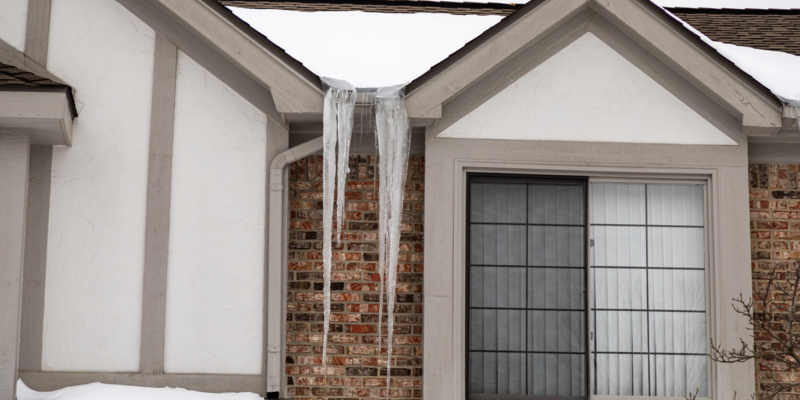
Winter storms leave behind debris, snow, and ice in gutters. As temperatures fluctuate, melting snow can refreeze at roof edges, forming ice dams that force water under shingles and into your attic.
Clearing gutters now:
- Ensures proper drainage
- Protects your roof, siding, and foundation
- Prevents heavy, frozen gutters from pulling away
Large, irregular icicles are often a warning sign of ice dam formation. Addressing them early helps prevent expensive spring roof repairs.
2. Inspect your roof and exterior for winter damage
February is ideal for full exterior inspection before spring rains arrive.
Check for:
- Missing or damaged shingles
- Cracked flashing
- Blocked or broken vents
- Peeling paint or siding gaps
- Worn window and door seals
Winter weather can also expose new entry points for pests and wildlife. Securing vulnerable areas now with products like HY-GUARD EXCLUSION® Wildlife Exclusion Solutions prevents infestations as breeding season begins.
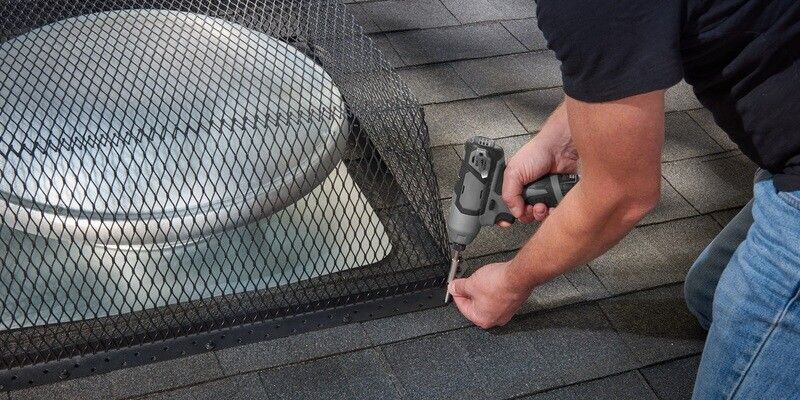
For safety, especially at roof level, we recommend professional inspections and installations.
3. Seal drafts to reduce heating bills
Cold air infiltration increases heating costs and reduces indoor comfort.
- Windows
- Exterior doors
- Utility penetrations
- Attic hatches
Simple upgrades like weatherstripping and caulking are low-cost ways to improve energy efficiency and reduce strain on your HVAC system during peak heating season.
Sealing gaps also helps deter pests seeking warmth.
4. Protect plumbing from frozen pipe damage
Unheated areas like basements, crawl spaces, and garages remain vulnerable to frozen pipes in late winter.
Prevent pipe bursts by:
- Insulating exposed plumbing
- Sealing foundation gaps
- Allowing faucets to drip during extreme cold
- Maintaining consistent indoor temperatures
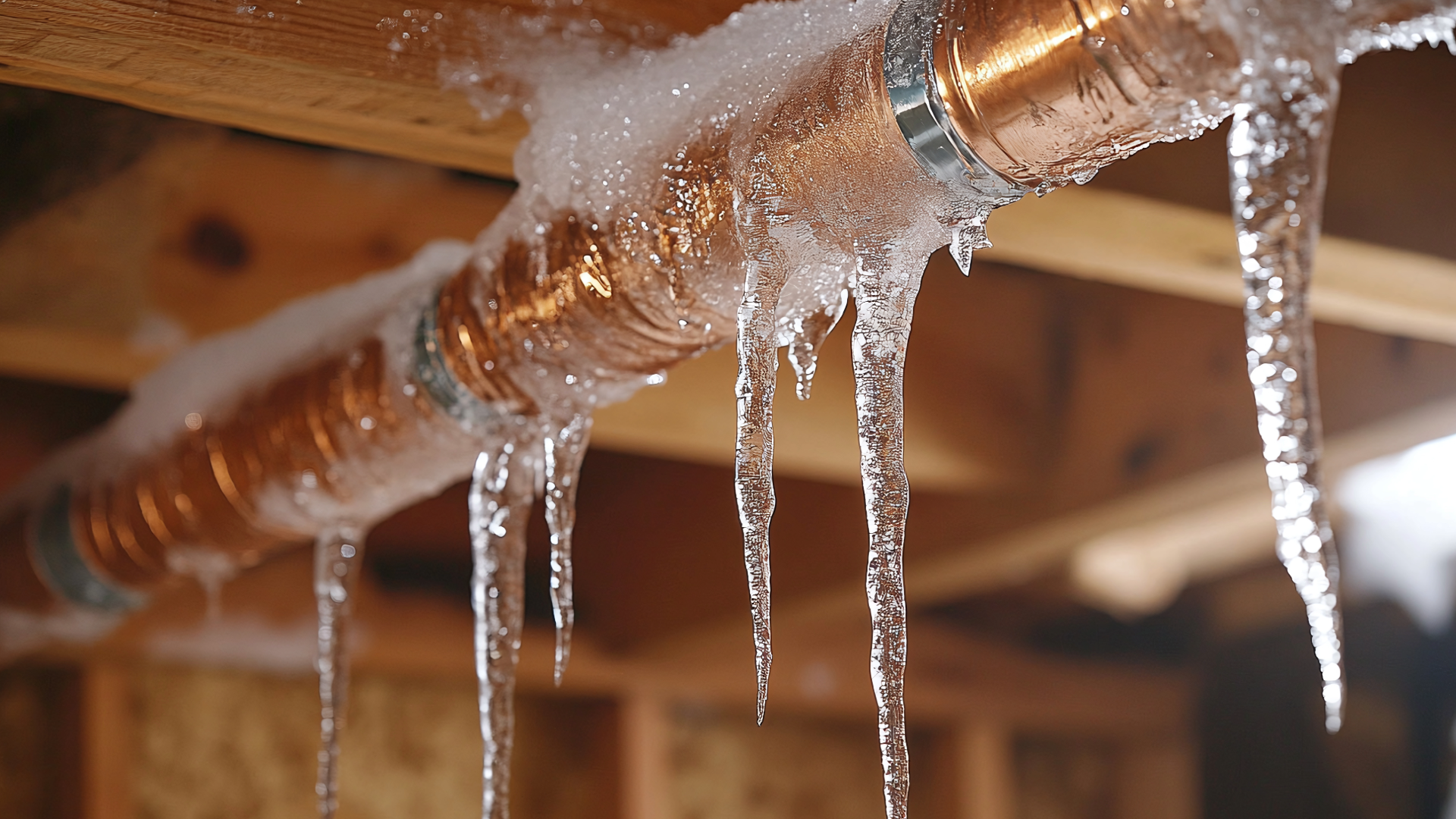
The normal range for water damage from burst pipes can cost $200 to $3,000 in repairs, which makes prevention far more affordable than cleanup.
5. Schedule HVAC maintenance for peak efficiency
Even as spring approaches, February remains prime heating season.
Replace or clean furnace filters to:
- Improve airflow
- Reduce energy bills
- Prevent breakdowns
- Extend the system lifespan
Winter is also often a slower season for HVAC technicians, which can mean easier scheduling and better service availability before the spring tune-up rush begins.
6. Test smoke and carbon monoxide detectors
Homes are tightly sealed during winter, and heating systems run continuously, making functioning detectors essential.
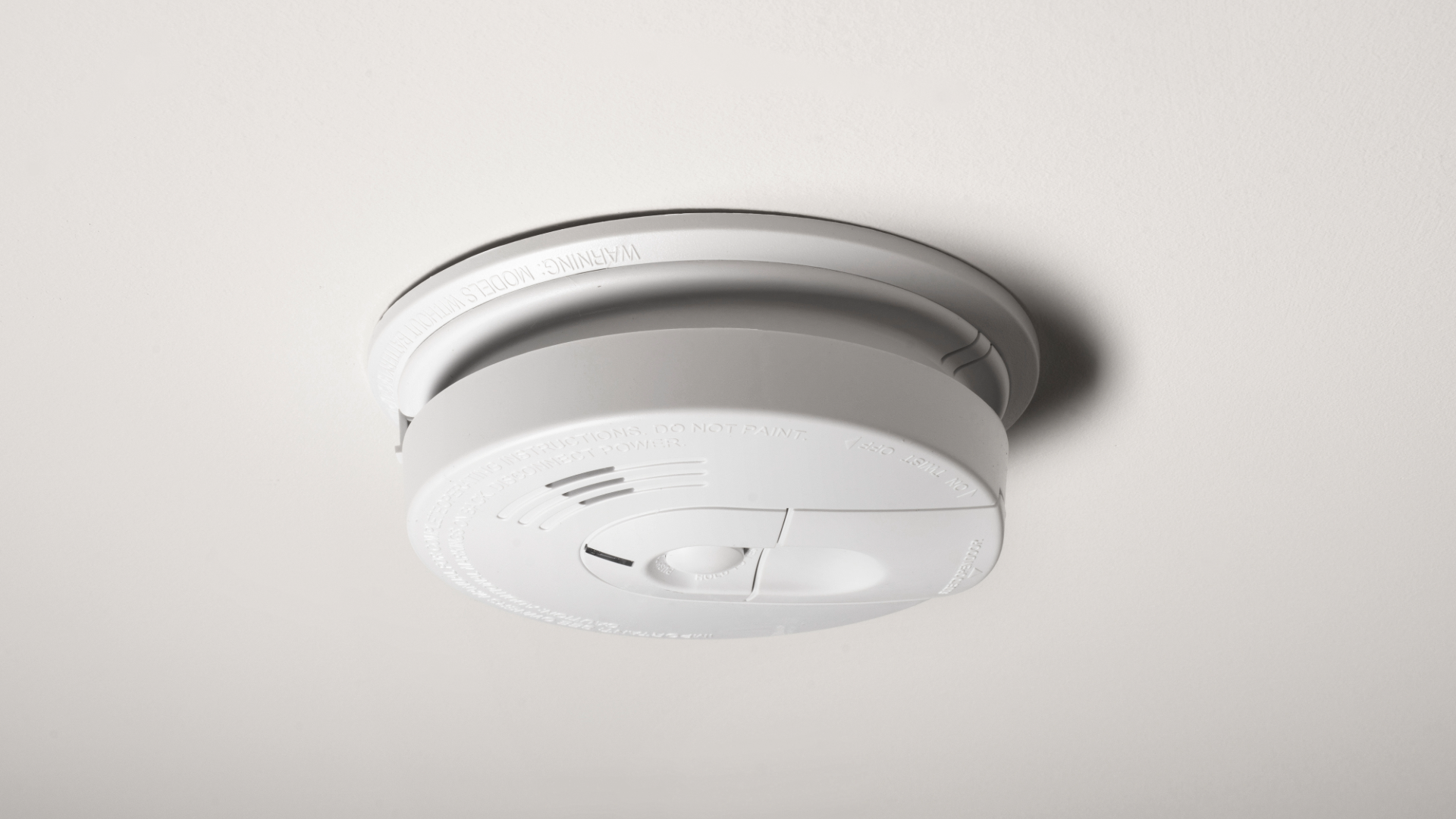
Test all units and:
- Replace weak batteries
- Clean dust from vents
- Confirm proper placement
The National Fire Protection Association (NFPA) reports that working smoke alarms significantly reduce the risk of fire-related fatalities. A quick February check can provide year-round peace of mind.
7. Clean dryer vents to reduce fire risk
Lint buildup is a serious fire hazard, especially after months of heavy winter laundry use. In fact, the NFPA identifies failure to clean dryer vents as a leading cause of dryer fires.
Cleaning your dryer vent:
- Improves safety
- Increases energy efficiency
- Reduces drying time
- Prevents moisture buildup and mold
Routine vent maintenance protects both your home and appliances before humidity rises in spring.
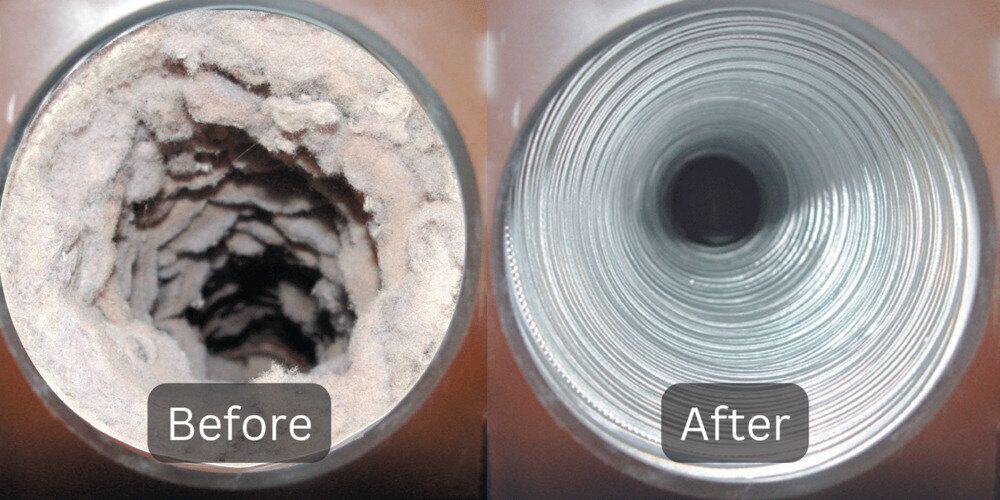
You can use the SnugDryer® Space-Saving Dryer Vent Connection Kit™ for a compact, efficient setup, and the LintEater® Drill Powered Rotary Dryer Vent Cleaning Kit to quickly remove lint buildup. These tools make dryer vent maintenance faster and safer.
8. Organize and refresh indoor spaces
February is the perfect bridge between winter and spring cleaning.
Use this time to:
- Declutter closets and storage areas
- Donate unused winter gear
- Organize garages and utility rooms
- Deep clean high-traffic areas
An end-of-winter reset reduces stress and makes spring cleaning far less overwhelming.
9. Inspect decks, porches, and crawl spaces
Freeze-thaw cycles can weaken exterior structures and foundations.
Inspect for:
- Loose boards
- Wobbly railings
- Cracked supports
- Standing water near the foundation
- Damaged or blocked foundation vents
Crawl spaces and areas beneath decks are common shelter points for wildlife during later winter. Early inspections can prevent structural damage and costly pest issues before spring activity increases.
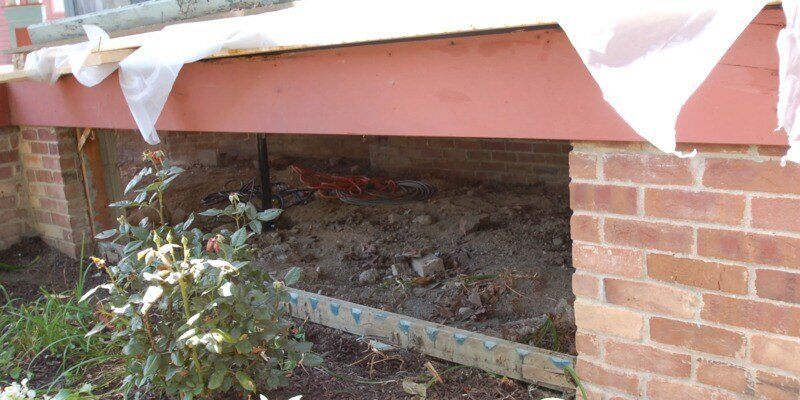
We suggest installing HY-GUARD EXCLUSION® Foundation Vent Screens to protect areas like foundation vents or crawl spaces from pests and improve ventilation.
10. Plan and schedule spring home projects early
February is one of the best times to consult contractors for spring improvements.
Professionals will get busy in the spring, so now’s the time to get on their calendars with:
- More flexible scheduling
- Competitive pricing
- Greater attention to detail
Whether you’re planning roofing repairs, deck upgrades, ventilation improvements, or exterior painting, booking early ensures your project starts on time instead of months into the spring backlog.

Bonus: Inspect and secure your chimney cap
If your chimney cap is missing, rusted, or poorly fitted, February is a smart time to replace it before spring storms arrive.
At the peak of the freeze-thaw cycle, fluctuating temperatures drive water into masonry, where it freezes, expands, and cracks mortar joints or flue liners. A properly fitted chimney cap blocks rain and snow before that damage begins and helps protect your chimney — and your home — through the spring.
Addressing your chimney cap now helps:
- Keep rain, snow, and ice out of the flue
- Minimize freeze-thaw masonry deterioration
- Deter birds and wildlife seeking late-winter shelter
- Shield the damper and liner from rust
- Maintain proper ventilation and draft performance
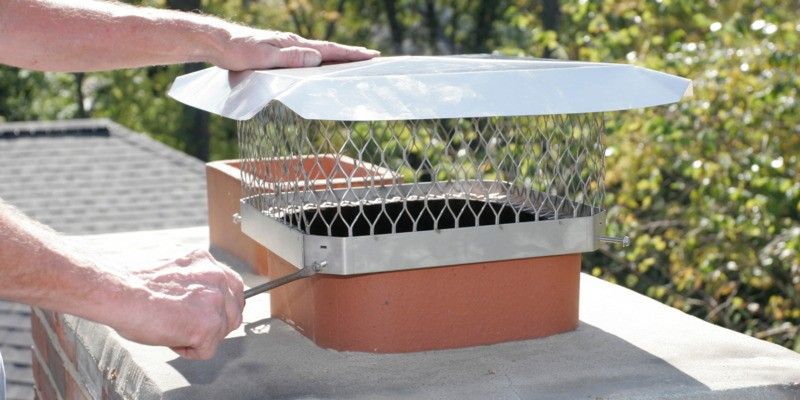
If replacement is needed, durable stainless steel, copper, galvanized steel, or aluminum options — such as our Draft King® and Shelter® caps — offer long-term weather resistance and built-in animal protection. Choosing the correct size and material now helps avoid costly chimney repairs later.
Make February your home prep month
February may feel transitional, but it’s one of the most strategic months for preventative home maintenance.
Following this February home maintenance checklist could help you:
- Prevent winter damage
- Lower energy costs
- Improve safety
- Protect structural systems
- Prepare confidently for spring
Small steps now can prevent major repairs later. Treat February as your prep month, and welcome spring with a safer, more efficient, and well-maintained home.