

May 18, 2026
Share:
Subscribe now and get our latest blog and video content delivered straight to your inbox.
May 18, 2026
.png?width=768&height=400&name=PNW%20Pest%20Map%20Updated%20(1).png)
Pest and wildlife professionals across the U.S. encounter vastly different species depending on where they operate. While many homeowners turn to DIY solutions, professionals emphasize that long-term pest control is less about quick fixes and more about understanding behavior, environment, and using the right tools for the job.
In this series, HY-C speaks with industry experts to explore the most common pests in each region and the most effective strategies for managing them.
The Pacific Northwest (also known as the PNW) usually includes Washington, Oregon, and Idaho, with some definitions extending into Northern California and Western Montana.
According to Cameron Yamaura, owner of H3 Pest Control, pest activity in the PNW can shift dramatically within just a few hours of travel, especially on either side of the Cascades.
The Willamette Valley sees four distinct seasons and steady winter rain. Head east to Bend, Oregon, and the climate turns drier, sunnier, and snowier, bringing a completely different set of pest pressures. It’s easy to follow this rule:
- West of the Cascades: Mild, wet, heavily vegetated
- East of the Cascades: Dry, sunny, more extreme temperatures
“Depending on which direction you go, you can have a way different environment,” Yamaura said.
And these environmental differences directly impact the behavior, breeding cycles, and population density of the pests and wildlife inhabiting the region.
Ants: The #1 pest in the Pacific Northwest
“Ants are going to be the biggest thing anywhere, statistically speaking,” Yamaura said. In his Oregon service area, they account for up to 80% of customer calls.
Common ants in Oregon and the PNW
- Odorous house ants
- Carpenter ants
- Pavement ants
- Moisture ants
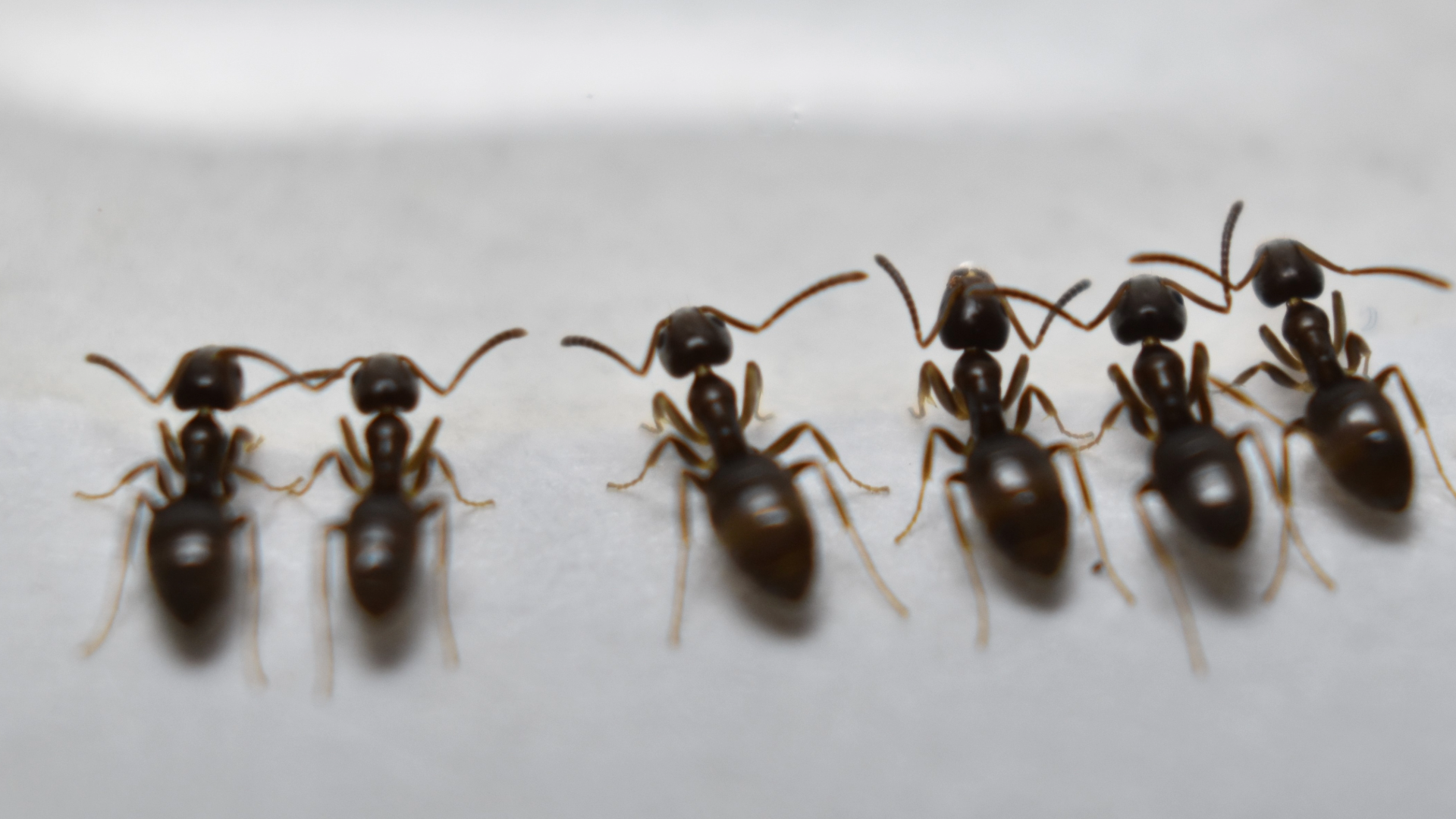
Why are there so many ants in Oregon homes?
Ant infestations are often driven by what’s happening outside.
Many species feed on honeydew, a sugary substance produced by aphids and other plant-feeding insects. This draws ants to trees and landscaping, and eventually, into homes.
What works (and what doesn’t)
Professionals rely on non-repellent treatments that ants carry back to the colony, eliminating the problem at the source.
DIY repellents like cinnamon, glass cleaner, and essential oils often make infestations worse by scattering ants and splitting colonies — something professionals specifically avoid with non-repellent treatments.
Rodent control in the PNW: The rise of roof rats
While mice are still common, roof rats are becoming the dominant rodent in parts of the Pacific Northwest.
According to Dave Mays of Bugs Northwest, roof rat calls outnumber mice calls by 10:1 in some areas. Norway rats were once common “20-something years ago,” too, but “you don't see much of those anymore.”
Why roof rats are a problem
- Excellent climbers
- Nest in attics, rooflines, and crawlspaces (comfortable above and below)
- Active year-round
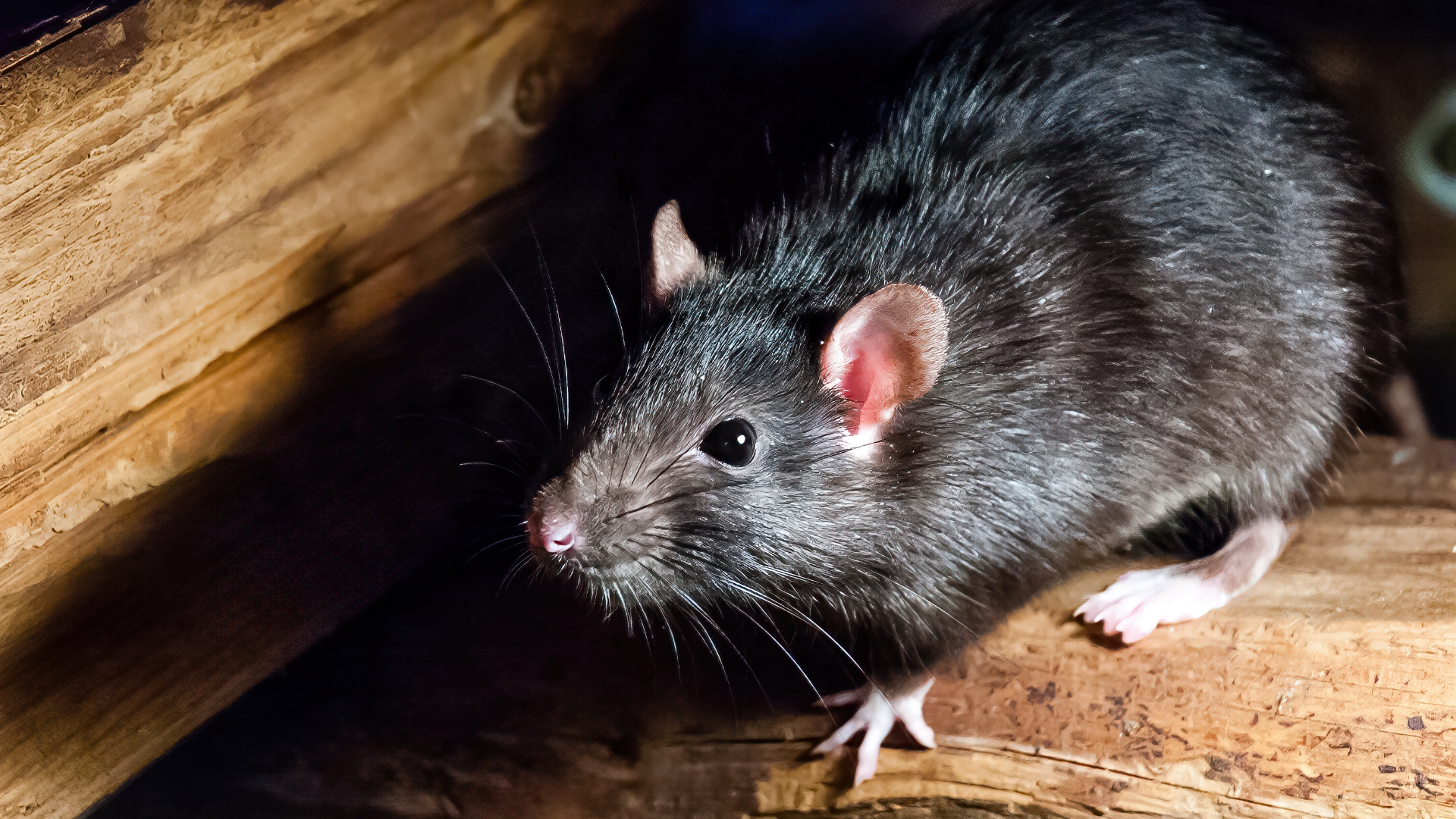
Do rats leave after eating poison?
No, they don’t. This is one of the most common misconceptions about rodent control.
The myth states that poison makes the rats dehydrated, and they’ll leave your home in search of water while fading. This is false. Rodents will actually look for a place they feel “safe” after ingesting poison, typically passing inside walls or near nesting areas.
This, in turn, can lead to odor issues and additional removal problems.
Best rodent control strategy
Professionals prioritize:
- Exclusion (sealing entry points)
- Trapping
- Peanut butter bases and other professional baits (captures a rodent’s strong sense of smell)
- Limited use of poison baits
While over-the-counter baits are widely available, many professionals use targeted formulations and placement strategies based on rodent behavior, reducing the risk of rodents dying in inaccessible areas.
Spider control: Separating myth from reality
Spiders are a common concern, but most species in the Pacific Northwest are relatively harmless.
Spider specs
- House spiders are most common
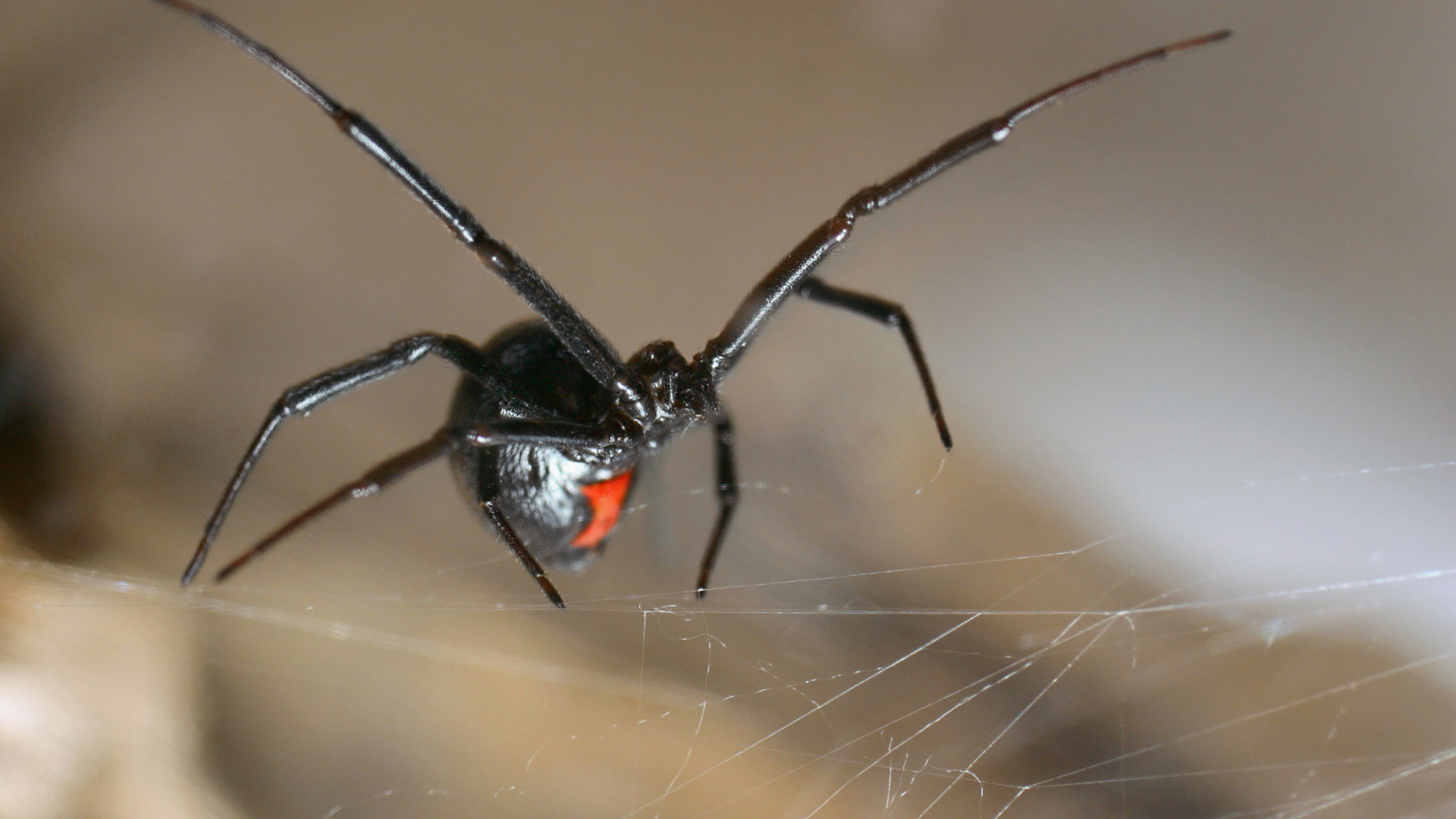
- Black widows (the only medically important spiders in the PNW) are fairly common depending on the area
- Brown recluses are not native to the PNW (accidental introductions by people moving from Texas, Louisiana, Mississippi, Alabama, and Tennessee aren’t uncommon — oops)
- Hobo spiders are widely misunderstood
Spider control is less about extermination and more about reducing habitat. This includes moisture, clutter, and insect prey.
Are hobo spiders dangerous?
Despite their reputation, there is no scientific evidence that hobo spiders cause medically significant bites. In other words, their venom isn’t known to cause necrosis in humans.
Contrary to popular belief, they aren’t aggressive spiders, either. They just get a bad rep.
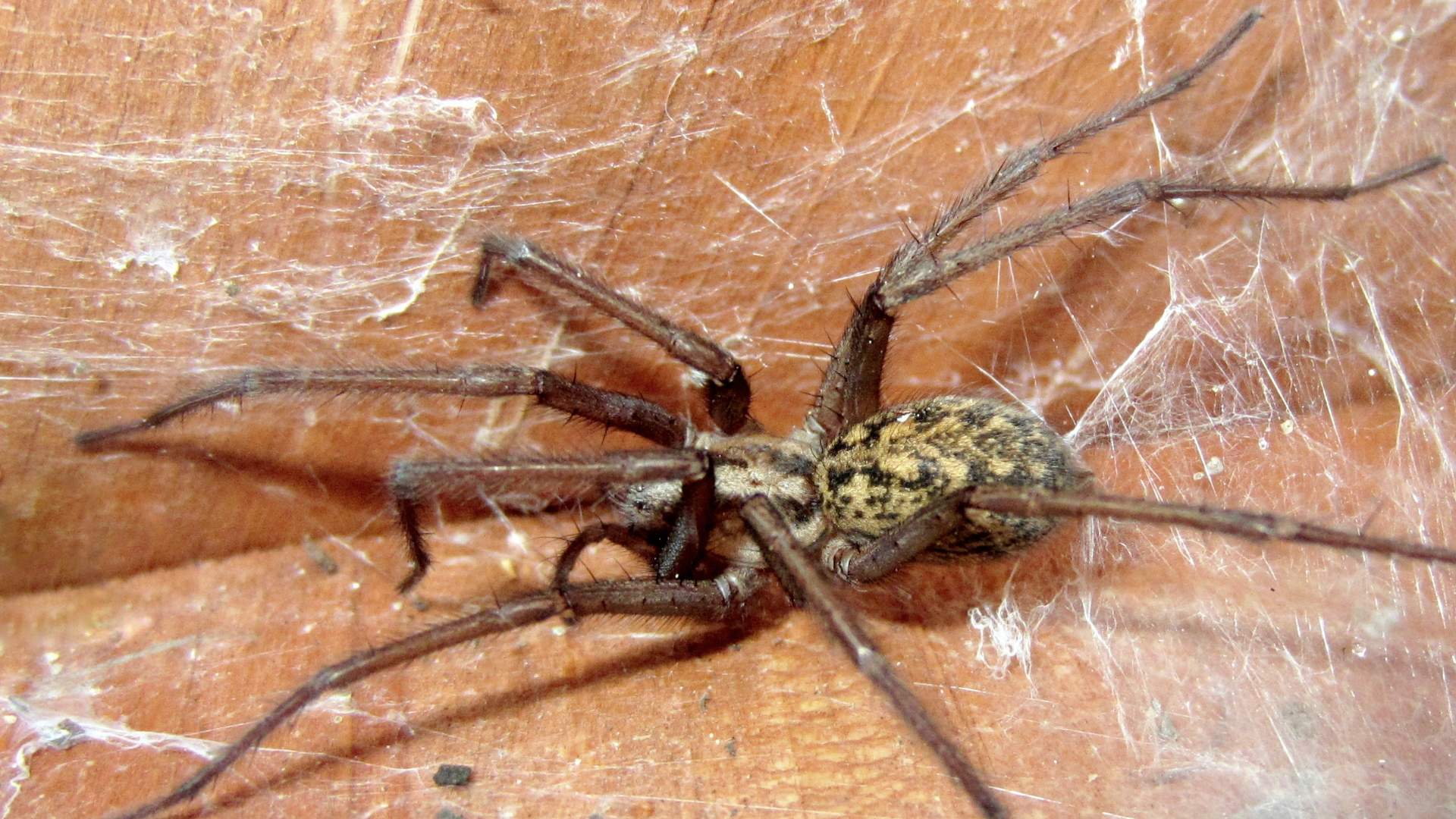
Other common pests in the Pacific Northwest
Every company is a little different on whether they handle specialty pests like bed bugs, cockroaches, and termites, Yamaura said. That said, additional pest activity can include:
- Boxelder bugs
- Wasps
- Yellow jackets
- Hornets
- Bees
At one point, invasive “murder hornets” also raised concern in the region, but they have since been eradicated. In fact, there have been no confirmed sightings since 2021.
Wildlife control in the Pacific Northwest
It’s important to note that rodents like mice and rats can be categorized as pests or wildlife.
Common calls include:
- Raccoons
- Skunks
- Ground squirrels
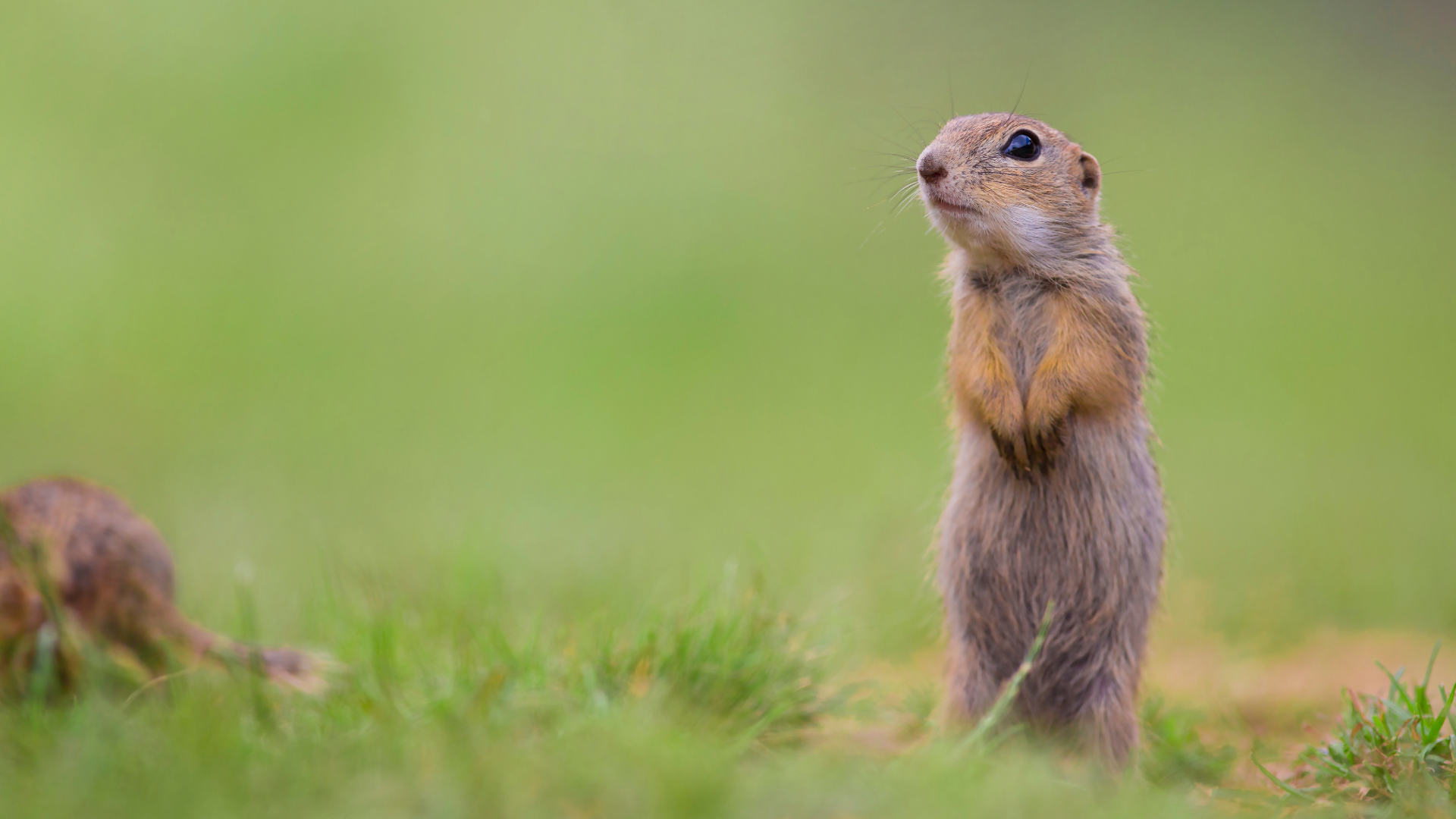
- Bats
- Birds
How wildlife removal works
Different species require different approaches:
- Raccoons: Baited cage traps (corn, chicken, marshmallow)
- Skunks: Enclosed traps to prevent spraying (marshmallow, mixed seed)
- Ground squirrels: Baiting and trapping systems (mixed seed, wet cob)
- Birds and bats: Exclusion methods (not baiting)
Professional baits vs. household items
While household foods can be effective, professionals often rely on specialized baits and scent lures designed to trigger stronger feeding and investigative responses.
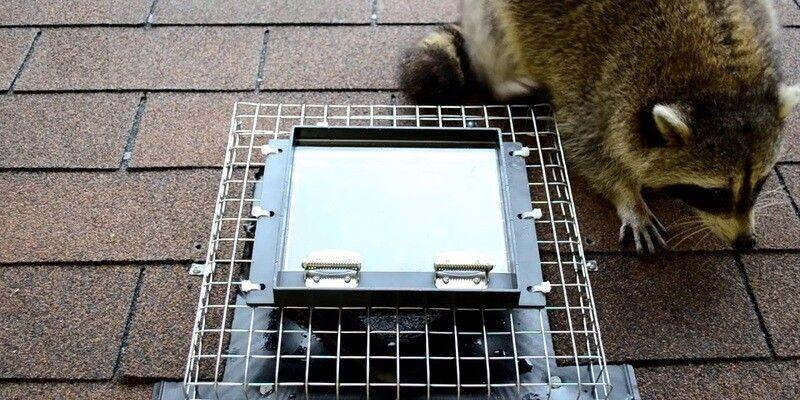
These professional-grade attractants are formulated to:
- Travel farther through the air (stronger scent dispersion)
- Target specific species
- Remain effective in outdoor conditions
That said, the same principles still apply. Whether using a commercial lure or a pantry item, success often comes down to understanding flavor and scent preferences:
- Sweet: Marshmallows, fruit-based attractants (raccoons, skunks)
- Savory/protein: Meat-based baits (raccoons, predators)
- Nutty/seed-based: Grains and seeds (squirrels, rodents)
For homeowners, these categories can serve as a starting point. Professionals, on the other hand, use refined, longer-lasting formulations designed for consistency in real-world conditions where household items often fall short.
Exclusion is still the goal
In many cases, wildlife technicians use one-way exclusion systems, allowing animals to exit structures without re-entering.
While baits and traps help remove active animals, exclusion ensures the problem doesn’t return.
Bird control in the Pacific Northwest
Some nuisance birds in the PNW include:
- Pigeons
- Starlings
- Sparrows
- Turkeys
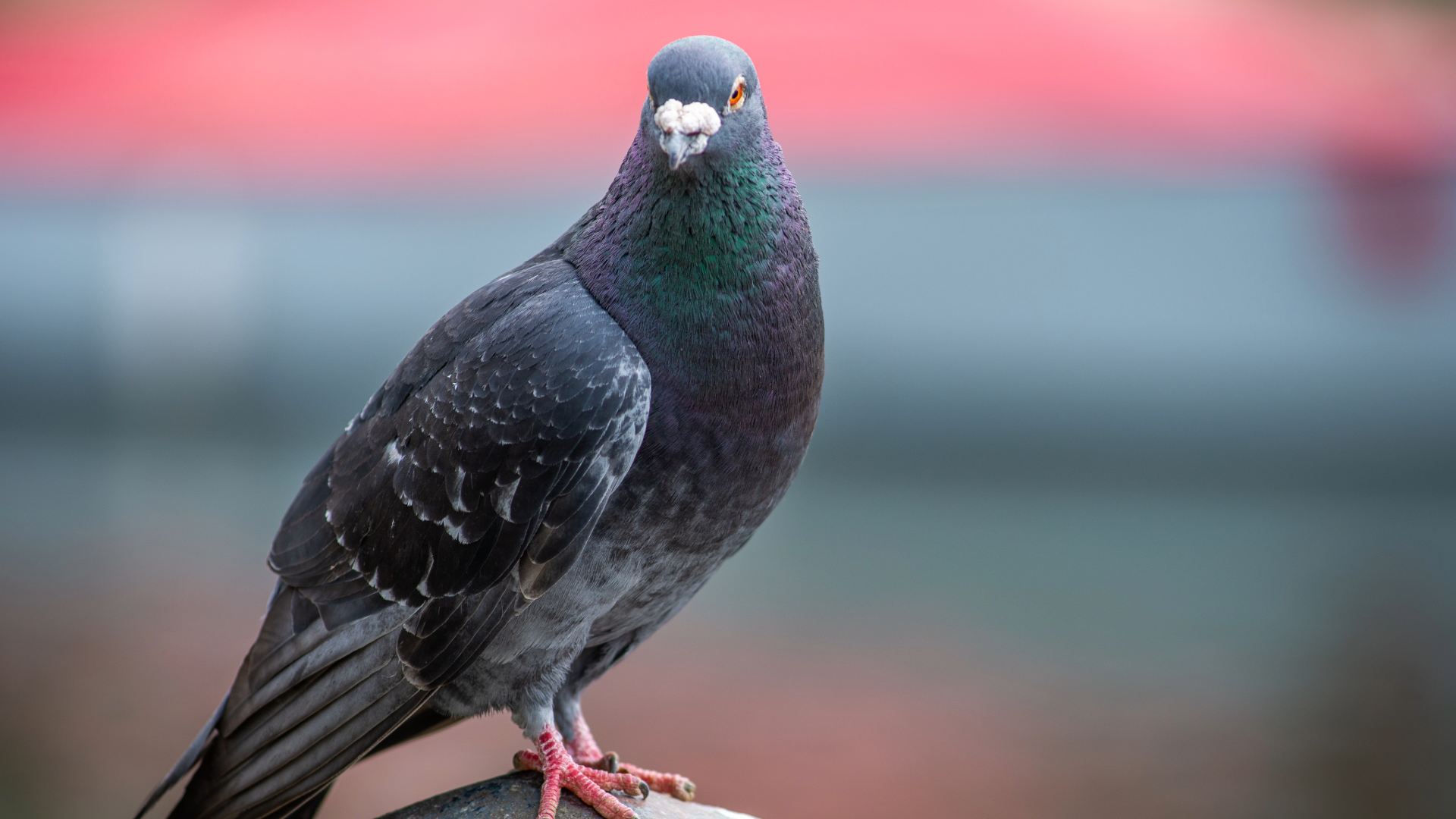
Pigeons, starlings, and sparrows are often grouped together as urban pest birds, known for nesting in vents, rooftops, and structural gaps. Once established, they can be difficult to remove and quick to return.
Why bird problems are particularly challenging
Unlike many pests, birds are:
- Highly mobile
- Quick to adapt to deterrents
- Often protected by wildlife regulations
This makes control less about removal and more about deterrence and exclusion.
Effective bird control methods
Professionals typically rely on a combination of strategies:
- Physical deterrents: Netting, spikes, and vent covers to block access
- Visual deterrents: Reflective devices or predator decoys to disrupt landing patterns
- Sound deterrents: Distress calls or noise-based systems
- Targeted trapping: Bird-specific traps used selectively where permitted
No single solution works long-term on its own. Birds can quickly become accustomed to one method, so layering multiple deterrents is often the most effective approach.
As with other wildlife, long-term bird control depends on combining deterrents with proper exclusion, especially around vents, rooflines, and other nesting-prone areas.
A note on starlings
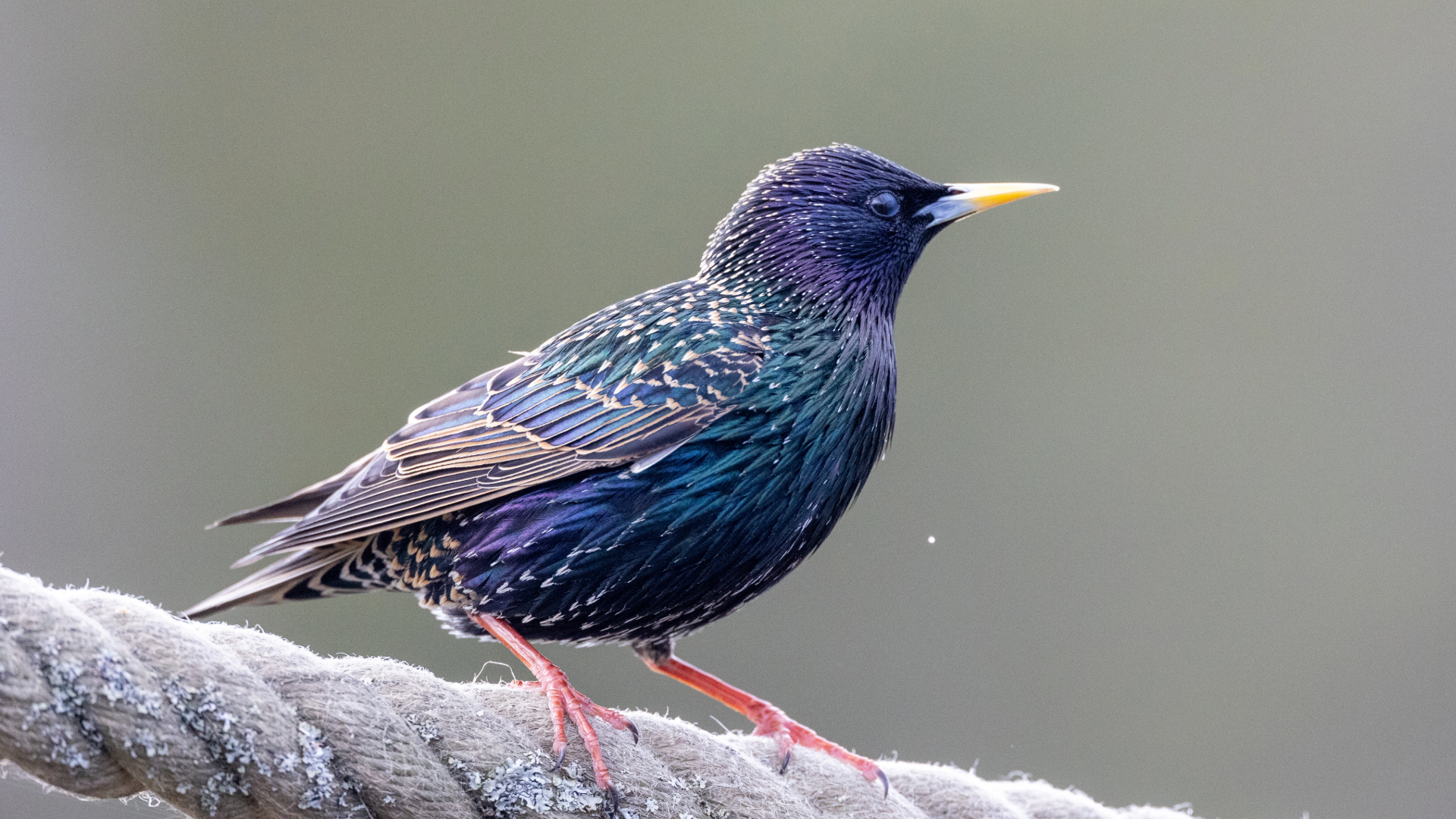
Invasive species like starlings are especially aggressive nesters, often displacing native birds and returning to the same site repeatedly. This makes early intervention and proper exclusion critical.
For starlings, physical deterrents are often best paired with shiny, reflective items, ultrasonic devices, or even lasers.
A unique challenge: Turkeys
Wild turkeys present a growing issue in parts of Oregon, said Mays. At their size they can cause property damage, but removal is complicated.
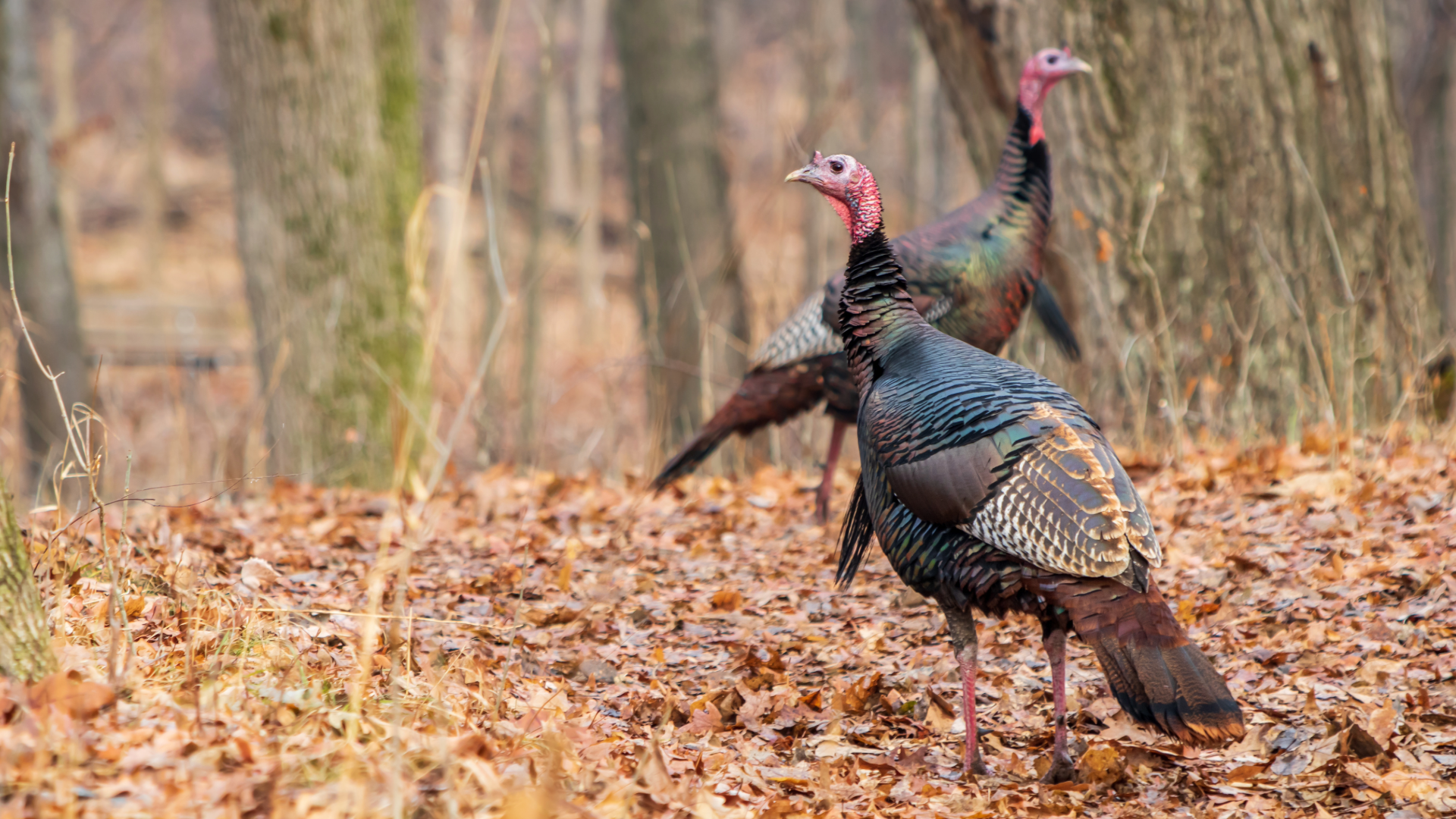
- Requires permits and planning
- Often involves relocation or donation
- Homeowners are often hesitant to authorize lethal control on their properties
According to Mays, turkey management is often labor-intensive and not always cost-effective. He said the best way to deal with turkeys is with traps using corn and a decoy as bait, as nets can be too slow, too thin, and too expensive.
Why exclusion is everything
Across both pest and wildlife control, one principle stands out:
Exclusion is the foundation of long-term success.
Whether sealing rodent entry points or installing one-way doors for bats, preventing access is far more reliable than repeated treatments. Because of this, many professionals rely on purpose-built exclusion products designed to withstand weather, resist animal damage, and protect common entry points like vents, rooflines, and foundations.
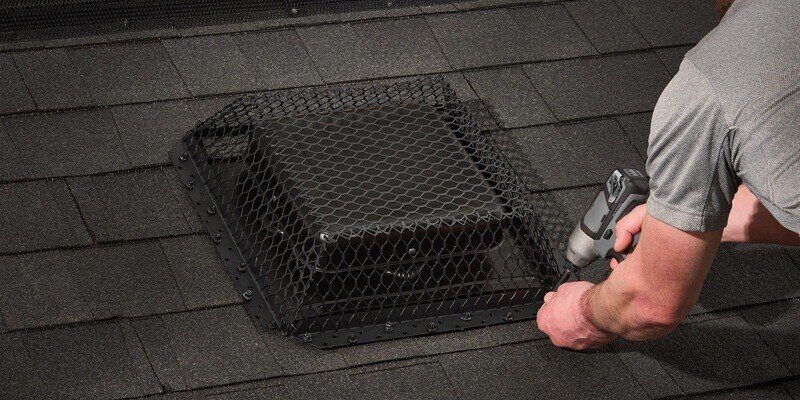
Solutions like those in HY-C’s HY-GUARD EXCLUSION® line are built with these challenges in mind, helping prevent re-entry and reduce the need for repeated treatments.
From dryer vent guards, foundation screens, roof vent guards, and more, we’ve got homes covered.
Common homeowner mistakes
Professionals across the PNW consistently see the same issues:
- Using repellents for ants → spreads the infestation
- Relying on rodent poison bait indoors → causes odor problems
- Overestimating spider danger → most are harmless (black widows aside)
Truly understanding pest behavior and not being reactive to it is key to effective control, our experts said. In many cases, these mistakes come down to treating symptoms rather than addressing the root cause, which is something professional strategies are specifically designed to avoid.
More than pest control: A window into people’s lives
For Mays, who has spent more than 30 years in the industry, the most rewarding part of the job is the people.
“[They] can be anywhere from a millionaire to someone just scraping by,” he said. “But I really like the people running small businesses out of their homes.”
In the Pacific Northwest, many customers are also:
- Woodworkers
- Craftspeople
- Independent business owners
On one visit, Mays was amazed by a craftsman producing high-end wooden pieces from a small home workshop, producing work detailed enough to sell at curated shows across multiple states.
“You get to step into their world a little bit,” he said.
Why training and education matter
Resources like regional training programs and industry events play a critical role in professional development.
One such event is the West Coast Rodent Academy. According to Yamaura, opportunities like this allow professionals to:
- Stay up to date on regulations
- Learn new techniques
- Share knowledge across regions
They also help professionals adapt to government changes, such as increasing restrictions on rodent poison bait.
Pests and wildlife in the PNW
In a region as diverse as the Pacific Northwest, pest and wildlife control is never one-size-fits-all.

Success depends on understanding local environments, adapting to species behavior, and prioritizing prevention over reaction.
And as professionals like Yamaura and Mays emphasize, the difference between a short-term fix and a long-term solution often comes down to using the right approach — and the right tools — for the job.
