
Dec 22, 2025
Share:
Subscribe now and get our latest blog and video content delivered straight to your inbox.
Dec 22, 2025
Winter is a slow season in just about every industry, and the pest and wildlife industry is no exception.
Generally, cold weather discourages outdoor work, reduced daylight limits safe working hours, and seasonal hibernations make critter sightings far less common.
To keep revenue steady and keep teams working, many companies take on seasonal work. Snow plowing is an example of a related venture. Since many technicians already drive trucks, investing an extra $8,000 or so in a plow they can use for years makes good financial sense.
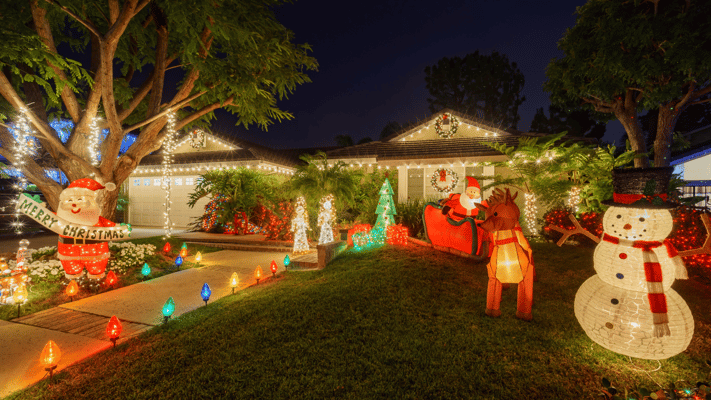
Another, more festive option? Christmas light installations.
Off season, same skills
Believe it or not, pest and wildlife technicians are a natural fit for installing Christmas lights.
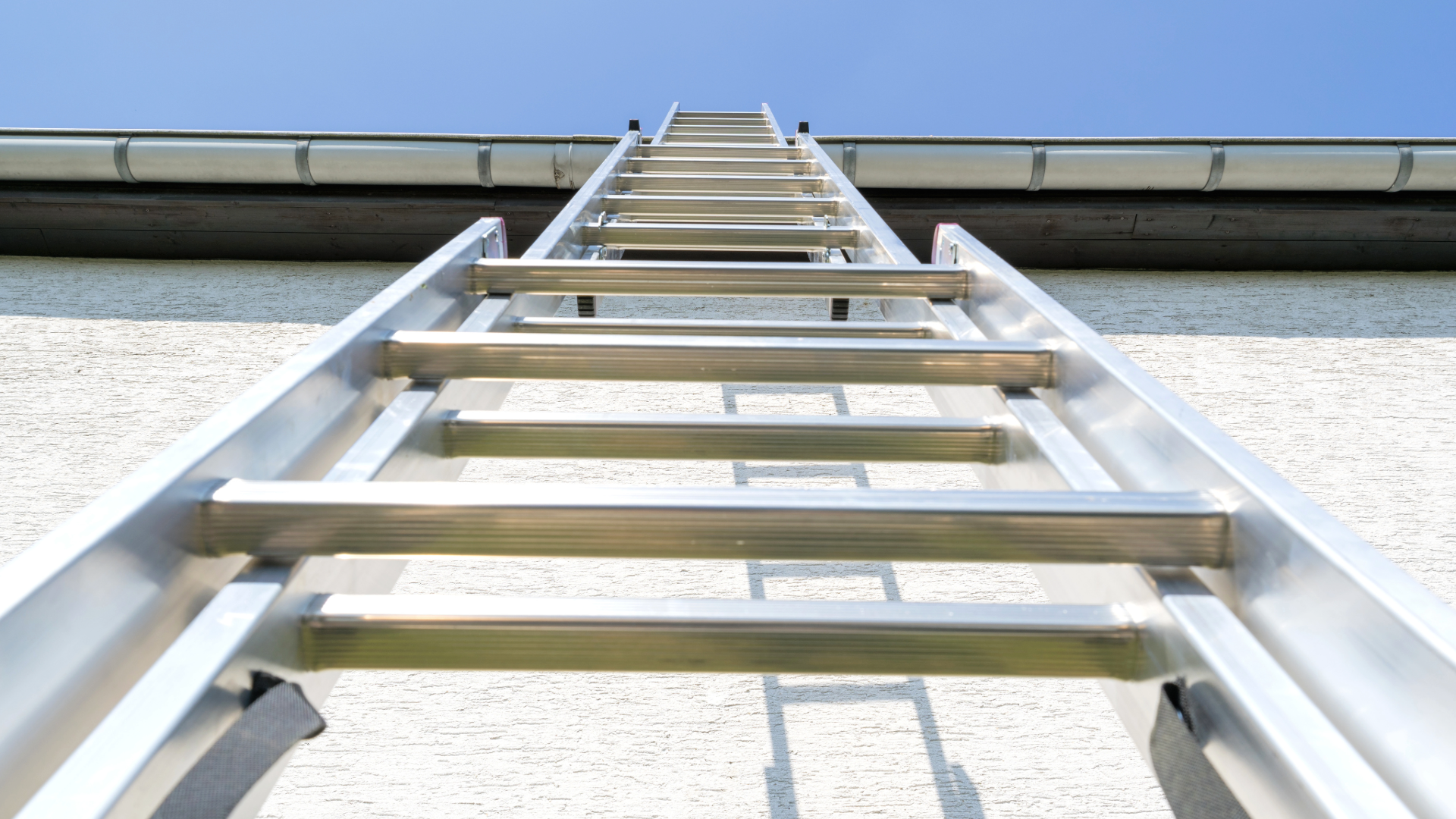
They’re already comfortable with working from heights. They understand building structures — attics, rooflines, chimneys, soffits, vents, etc. — and they know where loads are safe or unsafe, and where you should not drill or attach anything. Many of them already have the necessary gear, like ladders, safety equipment, and harnesses, too.
An additional advantage is the ability to spot early signs of wildlife access points during light installation, such as:
- Missing chimney caps
- Chewed or lifted ridge vents
- Gaps, rot, or structural damage
When they see these issues, they can recommend exclusion solutions to prevent squirrels, raccoons, bats, birds, and other common pests from taking advantage of roofline openings. So, Christmas light work might not stop pests directly, but it does create an opportunity for technicians to inspect, advise, and help homeowners prevent future problems.
Why lights? It depends on the region
In many areas (mid-November through early January), wildlife activity drops sharply. Bats migrate, many species hunker down, and call volume slows to a crawl. In northern states — like Michigan, Ohio, and Indiana — offering Christmas light services helps fill a genuine winter revenue gap.
In the Deep South, Florida, and South Texas, though, wildlife calls continue through winter. There, Christmas lights are more of a complementary service than a survival tactic, making for an efficient way to leverage existing skills and generate additional revenue.
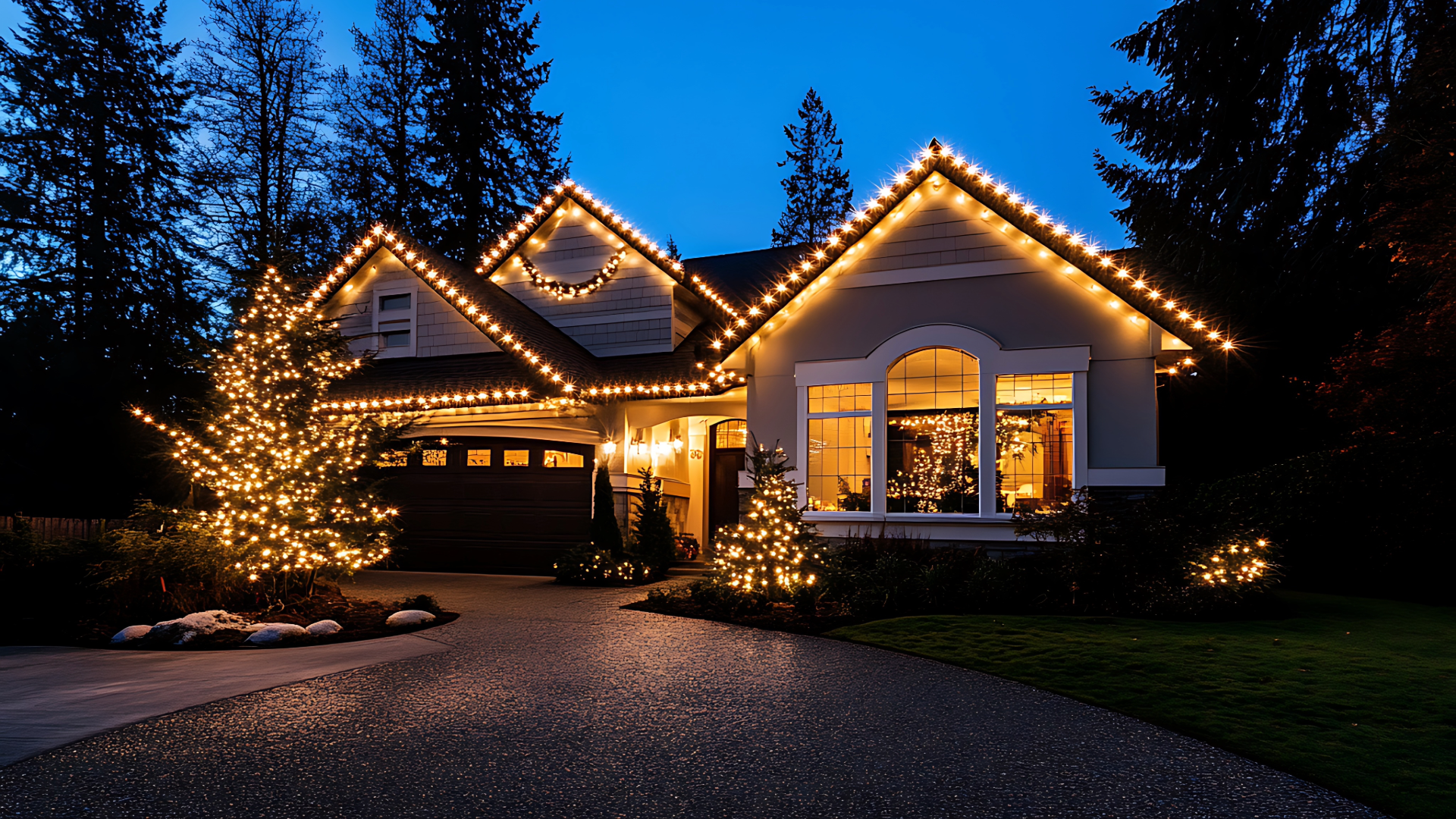
The reason for Christmas light installations varies by region, but the logic stays the same: the work fits the skillset, and the off-season provides the opportunity.
Elevated Exclusions
Working at heights is inherently dangerous, especially in winter when ice and snow are factored into the equation.
Whether installing Christmas lights or not, being comfortable and safety-minded at heights is essential for technicians. While most folks would rather avoid scaling ladders and climbing around rooftops, techs treat them like their own elevated playgrounds.
That’s why HY-C encourages classes like Elevated Exclusions.
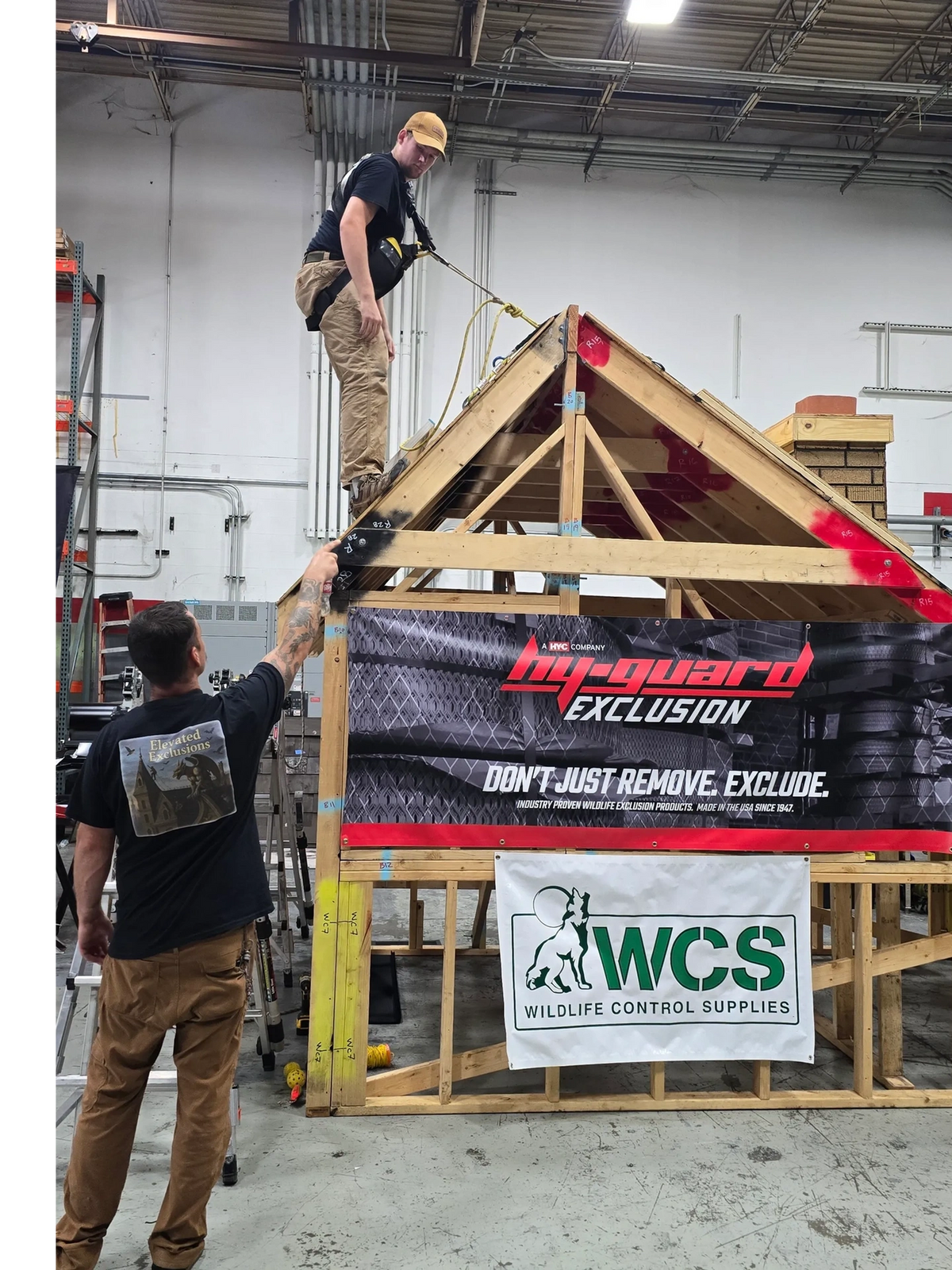
Created and led by Jon Cischke and Carmela Gatto of Exclusion Masters and Keith Markun of Elevated Tasks, Elevated Exclusions is a three-day training program that combines metalwork skills with professional height-safety instruction. Since April 2025, the program has been held six times across the country, teaching students:
- Ladder setup and positioning
- Harness use and fall protection
- Working from scaffolding, roofs, and around chimneys
Students are split into two groups: one focuses on exclusions and metalwork, while the other trains on ropes and working at height. On day two, the groups switch. On day three, they reunite to complete a real-world installation project.
As Markun describes it, the immersive curriculum blends training elements from multiple industries — arborists, OSHA, roofers, rope access technicians, and more — into one comprehensive course for fresh and seasoned professionals alike. Normally, it would take five to ten separate classes to cover all the material that Elevated Exclusions reviews.
HY-C supports this training because the reality is simple: When technicians aren’t trained, they get hurt — and a sidelined tech can’t protect customers, grow their business, or strengthen the industry. That’s why we invest heavily in hands-on education, providing the space and the products students use to learn the right way.
In fact, two of the six Elevated Exclusions events so far have been hosted at HY-C facilities in St. Louis.
Looking ahead, HY-C has offered Cischke, Gatto, Markun, and others access to new warehouse space for trainings and workshops, helping foster continued education in the industry. Beginning in Spring 2026, Elevated Tasks and Exclusion Masters will provide training sessions under the new institution of The Gargoyle Academy.
Whether hanging lights or sealing out wildlife, it’s best to be prepared, and at HY-C we strive to build a foundation for the future growth of the technicians protecting (or decorating) America’s homes.
