

Jun 23, 2026
Share:
Subscribe now and get our latest blog and video content delivered straight to your inbox.
Jun 23, 2026

TL;DR: Summer is one of the hardest times to trap groundhogs with bait. With established home ranges, predictable feeding patterns, and plenty of natural food available (AKA bait competition), groundhogs have little reason to enter baited traps. Instead, professionals should focus on exclusion, burrow-based strategies, and customer education to improve results and build trust.
You've placed the trap in a good spot. You've used the right bait. You've checked it daily. And the groundhog walks right past it every time.
Sound familiar? If you're a wildlife operator working groundhog jobs in June or July, you've almost certainly been here. And the frustrating truth is that summer is one of the hardest times of year to catch groundhogs using bait-based trapping.
This isn’t because you're doing something wrong; it’s because of what's happening biologically all around the trap.
Understanding the "why" behind summer groundhog behavior makes you both a better technician and a better communicator with customers who are wondering why the job is taking longer than they expected.
Why Bait and Traps Barely Work in Summer
The core problem is simple: Bait competition.
In summer, wildlife like groundhogs have access to an enormous natural food supply. Vegetation is at peak growth. Clover, grasses, garden plants, agricultural crops, and wild vegetation are everywhere. The landscape is essentially an all-you-can-eat buffet, and your trap bait is just one more item on a menu that already has everything on it.
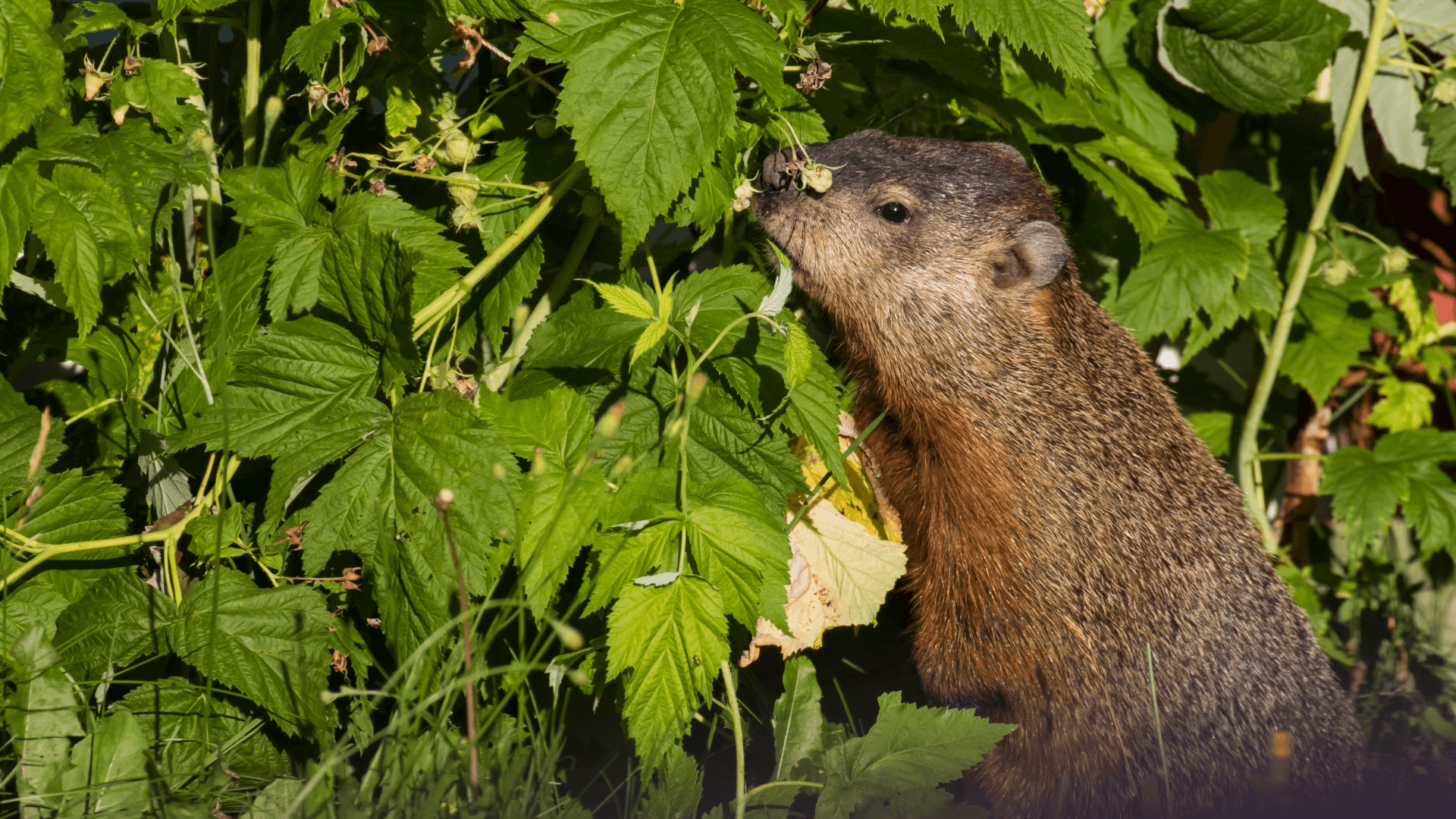
Additionally, adult groundhogs typically have established feeding areas, travel routes, and preferred food sources by summer. They often have little reason to investigate unfamiliar objects placed in their environment, making bait and trap avoidance more common than many operators expect.
What this bait competition means in practice:
- Fruit and vegetable baits that can be effective in spring often become less reliable by June and July because natural forage is abundant
- Groundhogs are more likely to be foraging widely and returning to established feeding routes, not exploring new food sources
- The window between late winter and early spring — when natural food is scarce and groundhogs are hungry after dormancy — is genuinely the most effective trapping period of the year
This is worth communicating clearly to customers who call in summer expecting a quick resolution. Setting realistic expectations upfront protects your reputation and helps customers understand the value of your expertise.

So, What Does Work in Summer?
Bait isn't your only tool, and in summer, it probably shouldn't be your primary one, either. Exclusion and burrow work becomes significantly more reliable when bait competition is high.
Identifying active burrow entrances shifts the equation away from the groundhog's food motivation entirely. That way, you're working with the animal's movement patterns instead of trying to override its instincts with an attractive meal.
Trap placement strategy matters, too. In summer, a trap placed directly on an active run or at a burrow entrance will almost always outperform one placed in the open with bait.
Habitat modification conversations are also more productive in summer because customers can actually see what's attracting groundhogs to their property. Overgrown garden edges, brush piles, and dense ground cover are all visible and addressable. Helping a customer understand that removing harborage is part of a long-term solution positions you as a true professional.
Exclusion: Year-Round Groundhog Prevention
Although groundhogs largely prefer to burrow under sheds or other outdoor structures, they may also take shelter beneath concrete slabs, foundations, decks, or in crawlspaces under homes, according to Penn State and Orkin.
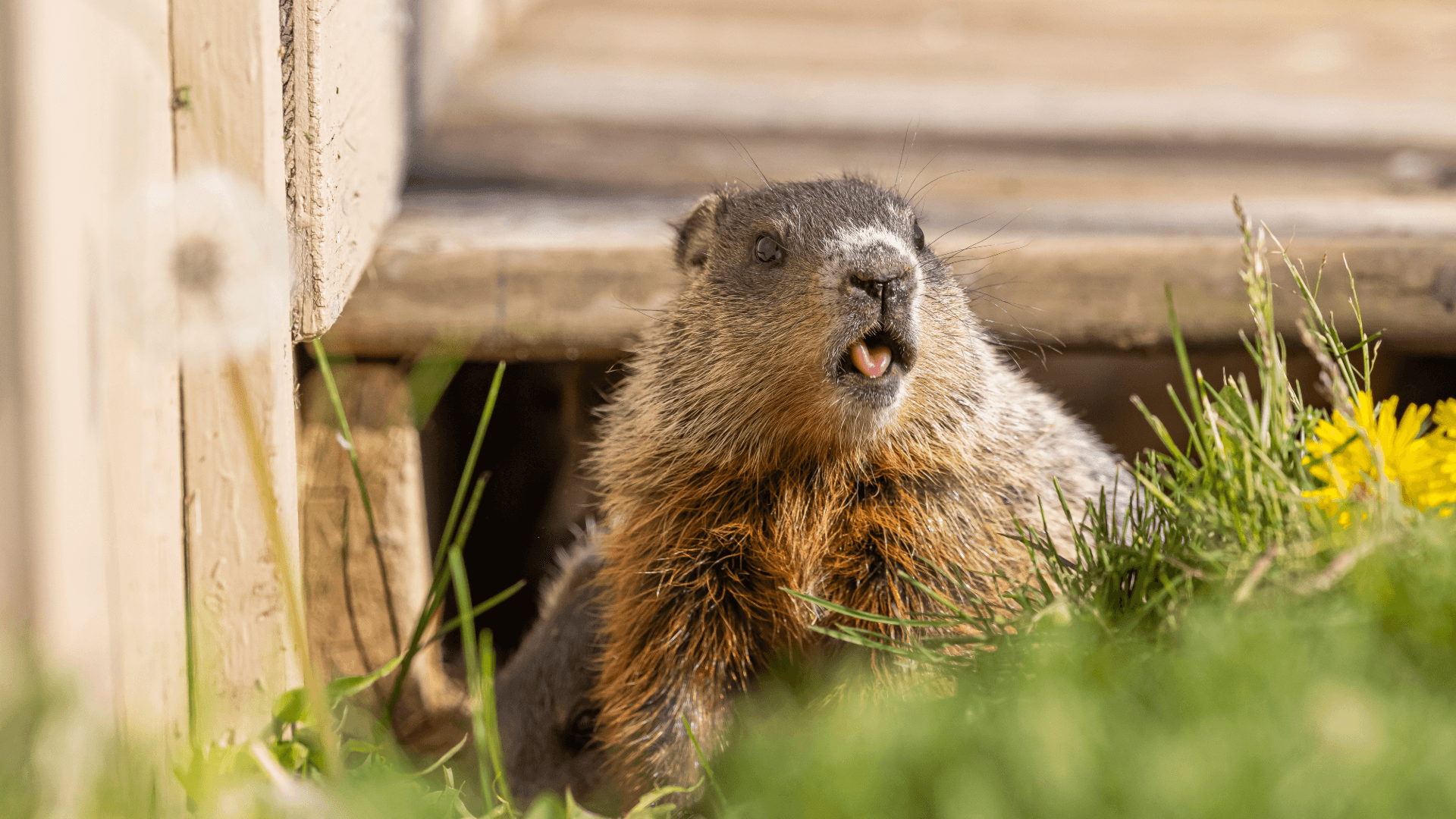
With this in mind, safeguarding these entry points keep groundhogs from becoming an issue for your customers in the first place.
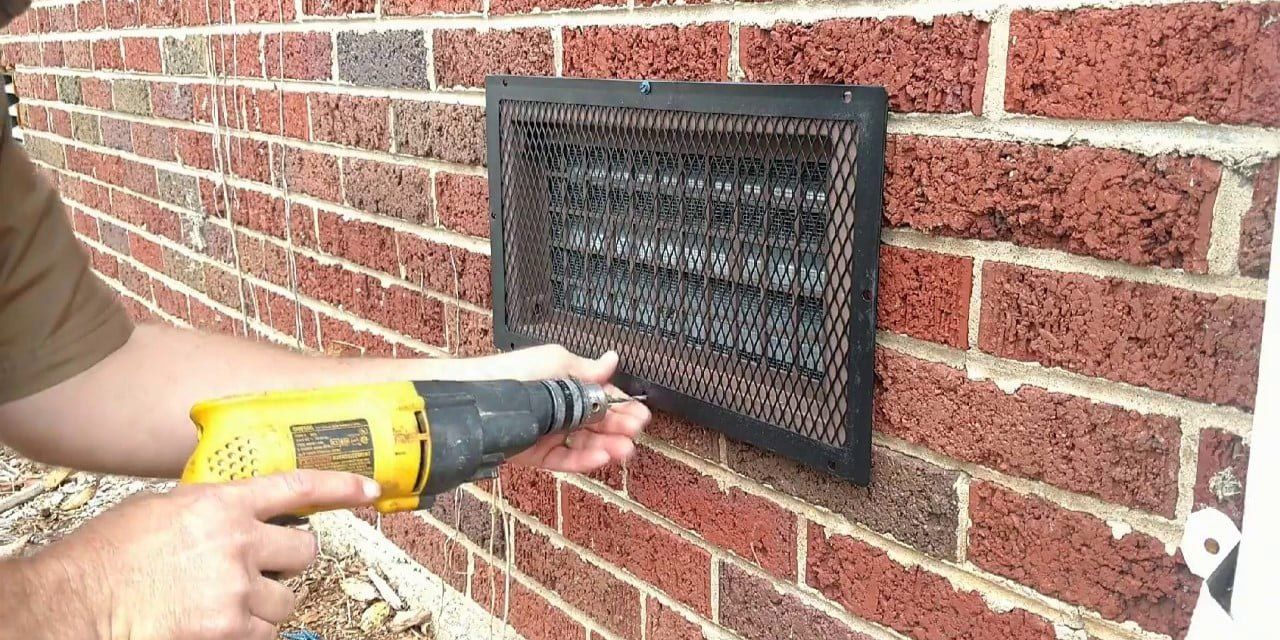
Prevention tools like HY-GUARD EXCLUSION® Foundation Vent Screens with InsectArmor™ are easy to install and ultra-secure, keeping out critters as large as groundhogs and as small as bugs. Installation gives your customers summer peace of mind with a clean, professional wildlife exclusion solution. Plus, it still allows necessary airflow.
What to Tell Your Customers Right Now
One of the biggest mistakes operators make on summer groundhog jobs is staying quiet about the difficulty. Customers don't know what you know. They assume trapping a groundhog is straightforward, and when it takes longer than expected, they start to wonder if you're competent.
You can get ahead of that.
When you take a summer groundhog call, explain the seasonal dynamic before you even show up. Something as simple as: "Summer is actually the hardest time of year to trap groundhogs with bait… here's why, and here's how we're going to approach it differently" does a lot of work.
It demonstrates expertise, builds trust, and reduces the chance of a frustrated follow-up call mid-job.
Customers who understand the biology become better partners in the process. They're more patient, more likely to follow your habitat recommendations, and more likely to refer you because you took the time to explain something another operator might not bother to.
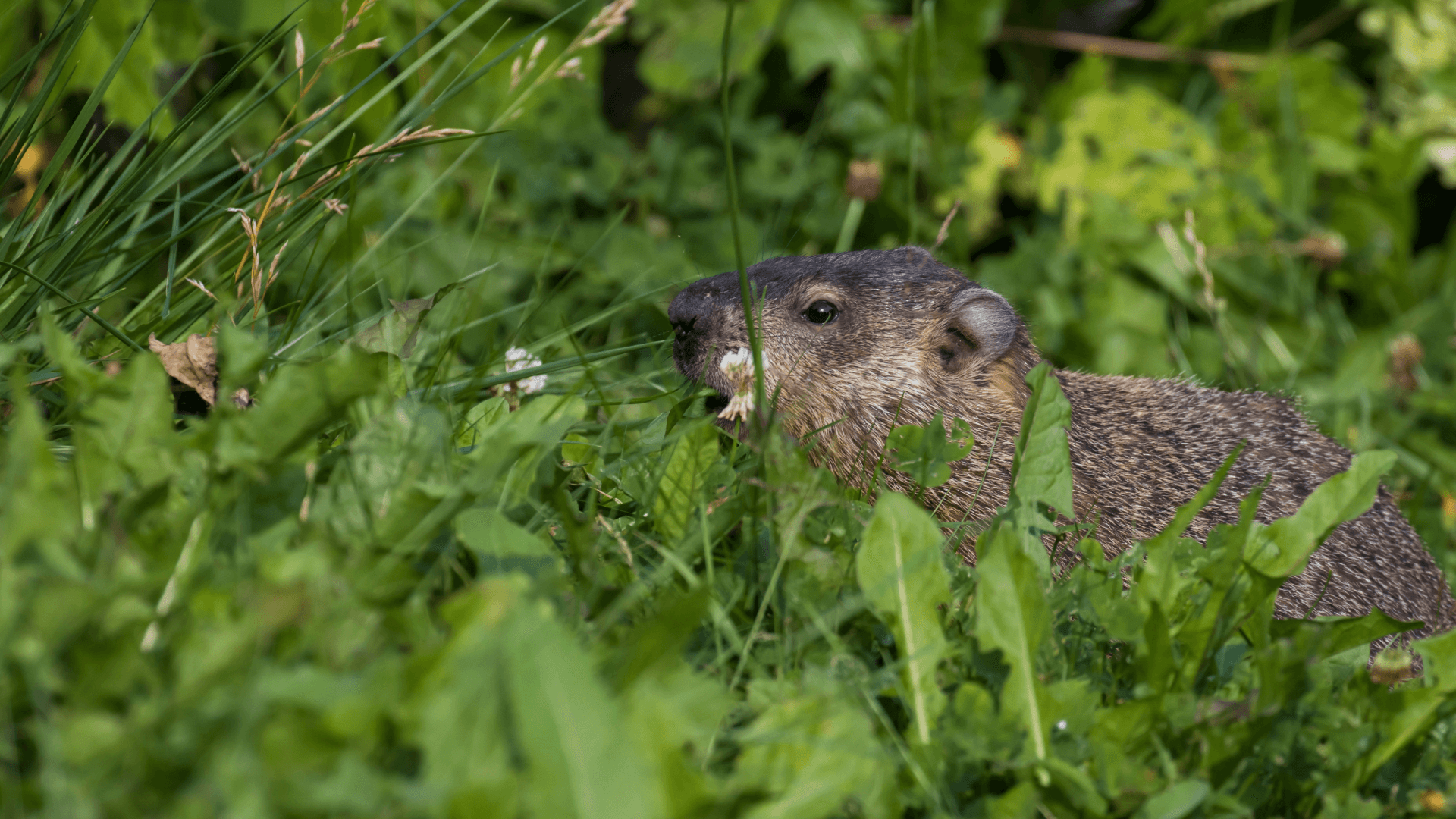
The Question Wildlife Operators Keep Asking in Summer: Why Won't This Groundhog Take the Bait?
Summer groundhog work is hard, and bait alone usually won't cut it. But operators who understand the seasonal behavior and communicate it clearly consistently get better outcomes than those who treat every job the same regardless of time of year.
Lean on exclusion, prioritize burrow-based approaches, and make customer education part of every job. That's what separates a professional from someone just setting traps.
