

Jun 1, 2026
Share:
Subscribe now and get our latest blog and video content delivered straight to your inbox.
Jun 1, 2026
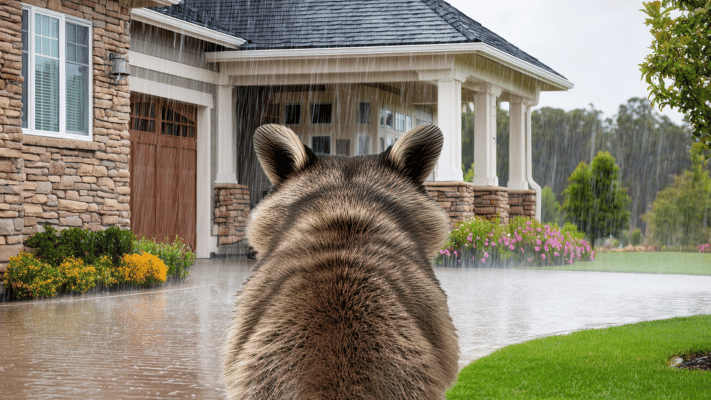
TL;DR: Heavy spring rain and storm damage push wildlife like raccoons, opossums, bats, and amphibians out of their natural habitats and toward homes, where they seek shelter in attics, chimneys, and other small openings. Homeowners can help prevent intrusions by inspecting for storm damage, capping chimneys, trimming overhanging branches, and calling professionals early if they suspect animals have already moved in.
A news article from our home base of St. Louis earlier this spring warned drivers to watch for box turtles wandering onto roads, nudged out of their habitats by seasonal rains.
While turtles also make the journey for breeding reasons, that story points to a broader pattern of displacement pressures that push wildlife toward structures: Wet spring and summer weather forcing animals out of their natural environments and toward human structures.
Understanding why this happens is one possible explanation when a homeowner calls asking why there's a raccoon in their attic or toads on their porch.
Where Are These Displaced Animals Coming From?
Most urban and suburban wildlife aren't living as close to people as we think. They're often tucked into lowland areas that run quietly alongside human development. Think of the small creek running under a bridge, or the culvert cutting through a neighborhood; it’s those corridors and drainages are where many animals den, travel, and largely stay out of sight.
Heavy spring rains change that equation fast. Flooding can displace wildlife from natural habitats, while breeding season and food availability simultaneously increase pressure to find new shelter… and they have to go somewhere.
That's why, after a stretch of heavy rain, you might spot a possum out in the middle of the day or a raccoon somewhere you'd never normally see one. It's not that the animal is sick or acting strangely, it's that the place it was living just became uninhabitable.
This phenomenon is commonly referred to as displacement.
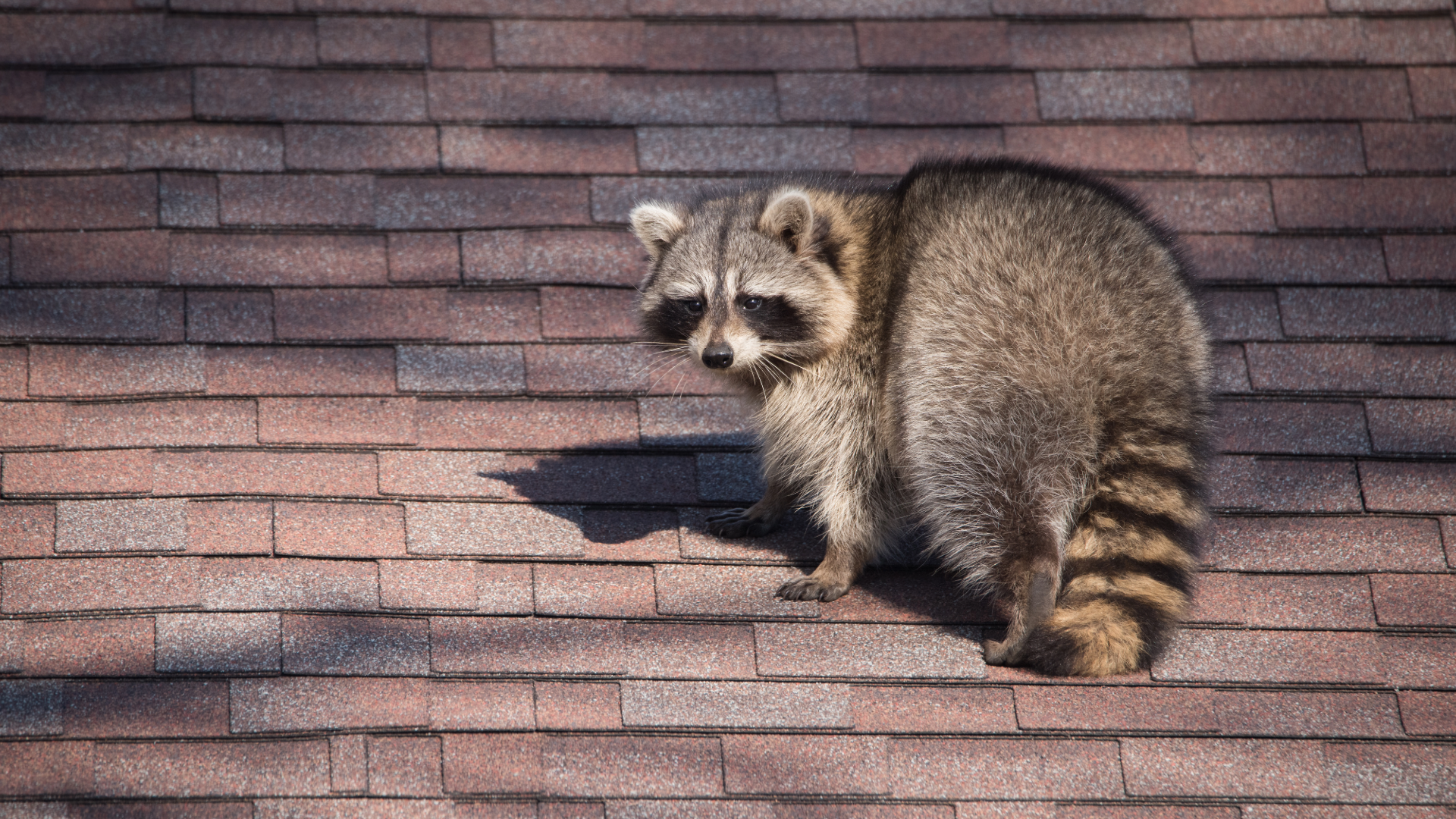
Flooding and heavy rain aren’t the only displacement pressures. As mentioned, spring also brings heightened breeding and nesting activity (like with the turtles), right on the heels of winter when animals are hungry, active, and looking for secure places to raise young. Residential structures sit squarely in their path.
Which Animals Are Most Likely to Show During Spring and Summer?
Displacement, foraging pressure, and breeding season combine to make spring and early summer the busiest time of year for wildlife intrusion calls. Species professionals see most often in urban and suburban areas during this time can include:
- Raccoons: Attics and chimneys are prime denning targets, particularly for pregnant females seeking dry, enclosed spaces
- Opossums: Frequently displaced from creek bottoms and lowland areas during heavy rain events
- Skunks and woodchucks: Drawn to softened, rain-saturated soil where grubs and earthworms are newly accessible; skunks in particular will even peel back turf to get at them
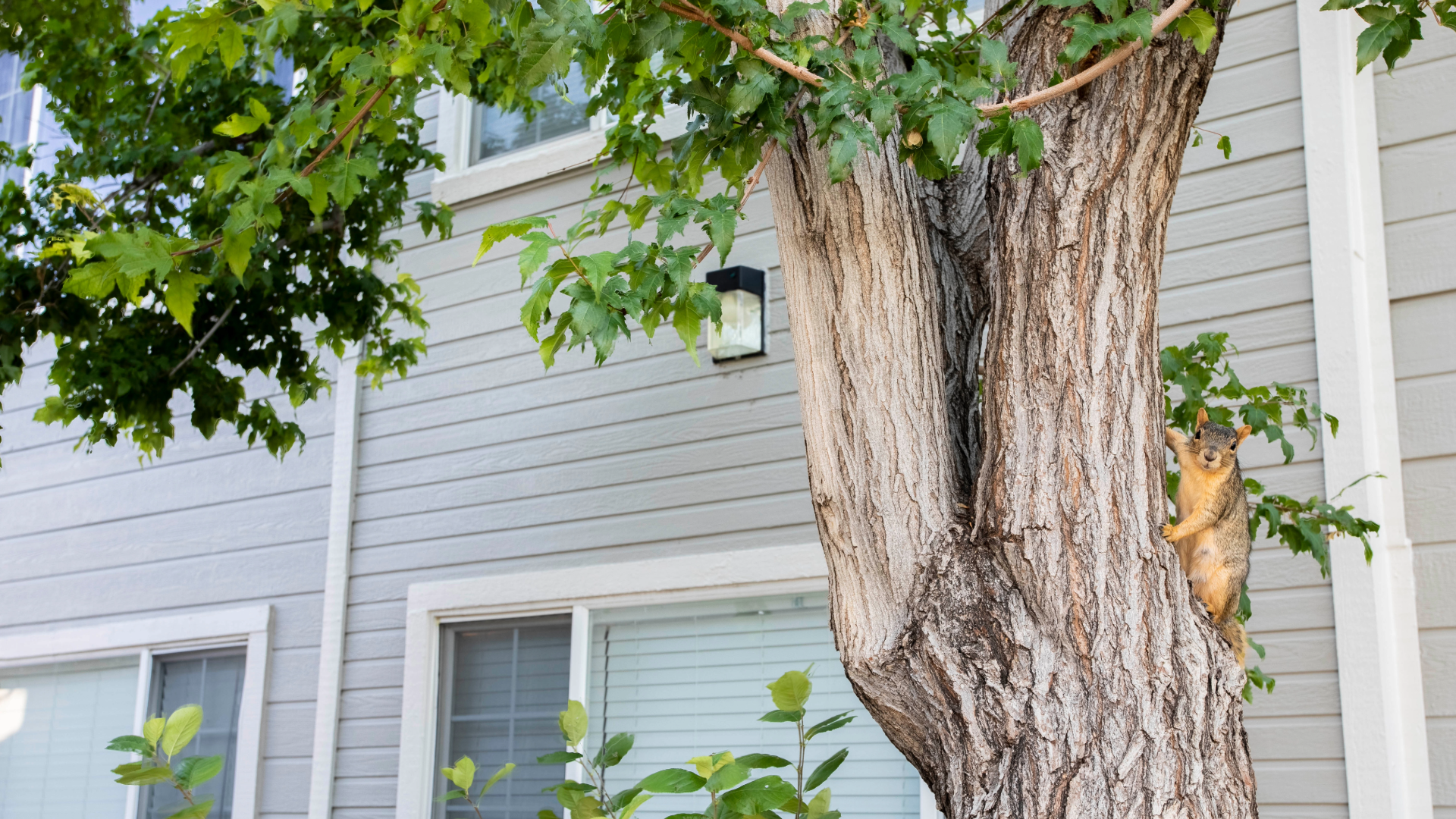
- Squirrels and chipmunks: Increased activity in spring for both, but squirrels will often access rooflines via overhanging branches
- Moles: These don't go dormant in winter, but move deeper to feed below the frost line; once soils warm and earthworms surface, moles follow, and yards can look like a bomb went off almost overnight. They're not after your lawn, but their tunneling lets air in and damages root systems all the same
- Bats: The insect boom that follows spring rains puts bats into overdrive. Females are seeking suitable maternity roosts, making spring and early summer one of the busiest periods for bat-related calls
- Amphibians (frogs, toads, salamanders): Warm, wet nights above roughly 40°F trigger mass migrations toward wetlands and into suburban yards
- Birds: Storm damage on natural nesting sites can trigger intense nesting pressures for birds like starlings and house sparrows, both of which are invasive species. Vents, eaves, soffits, and other openings become prime real estate for displaced birds, offering sturdy, dry cover in their territory
A Factor Professionals Shouldn't Overlook: Storm Damage
In addition to floods, spring also brings high winds, and in many parts of the country, it's the season when homes take the most weather-related damage.
Small, easy-to-miss openings are exactly what displaced animals are looking for. A classic example: Aluminum soffits. Wind gets under them, they flap loose, and suddenly there's a gap a homeowner hasn't noticed — but an animal fresh out of a flooded creek bottom absolutely has.
What looks like a sound structure from the driveway may have several new entry points after a rough spring storm. This, in turn, makes post-storm inspections a natural (and necessary) touchpoint for wildlife professionals.
If understanding is the first tool you need when a homeowner calls, wildlife prevention tools should come next.
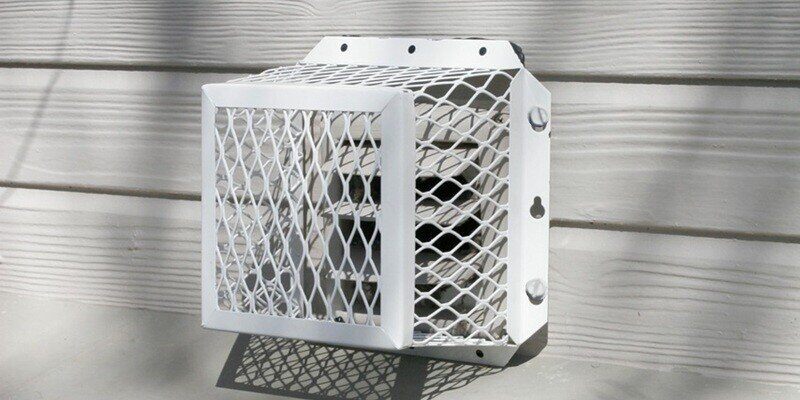
Under our HY-GUARD EXCLUSION® brand, we manufacture a number of products designed to seal the structural vulnerabilities wildlife most commonly exploit, including our Pest-Blok™ solutions, VentGuards™, and Pest Armor® profiles. Durable and easy to install, these solutions help keep wildlife out while preserving essential functions like ventilation and drainage.
Discover HY-GUARD EXCLUSION Wildlife Exclusion Solutions
Because getting ahead of an intrusion is always easier than resolving one.
Signs a Client May Already Have Uninvited Guests
When speaking with homeowners during the spring and summer (not exclusively after flooding or heavy rain), ask about:
- Sounds: Scratching, scurrying, or thumping from walls, ceilings, or attics, especially at night
- Nesting materials: Debris visible in or near vents, chimneys, or soffits
- Odors: Droppings, urine, or the distinct smell of a deceased animal in an enclosed space
- Yard damage: Raised turf, shallow tunneling, or disturbed soil near the foundation
Early identification matters. The longer an animal — especially a nursing female — goes undiscovered, the more complex the removal becomes later.
Practical Prevention: What to Tell Homeowners
Proactive outreach during wet weather stretches is an opportunity to add value. A few reminders worth passing along:
- Inspect after storms: Check rooflines, soffits, foundation vents, chimney caps, and utility penetrations, as small wind damage can open entry points that aren't obvious from the ground
- Cover chimneys: Chimney caps are a simple, inexpensive fix that removes one of the most common denning sites
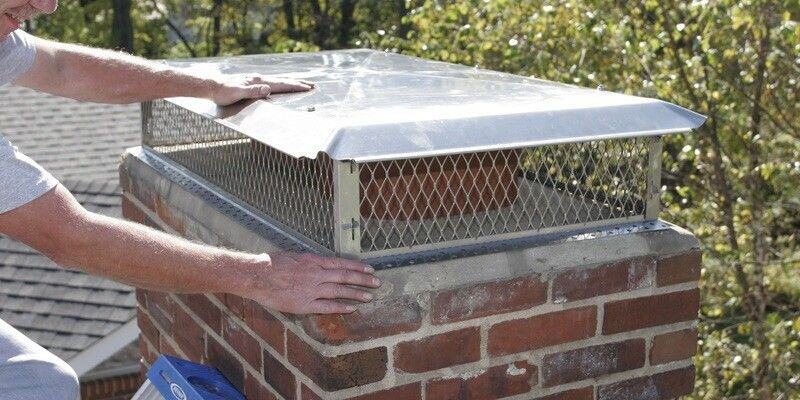
- Trim overhanging branches: Cutting back limbs that reach over rooflines removes a primary access route for squirrels and raccoons
- Secure food sources: Tightly lidded garbage cans and cleared yard debris reduce attractants
- Call it early: If homeowners suspect activity, early intervention avoids the complications of removing adults alongside dependent young
In situations where wildlife has established itself inside a structure, professional removal is always best. And by taking the time to educate homeowners, techs can both solve the problem at hand and ensure that it’s less likely to occur again.
