
Jul 21, 2026
Share:
Subscribe now and get our latest blog and video content delivered straight to your inbox.
Jul 21, 2026
TL;DR: Insects use a handful of predictable entry points to get into homes — chimneys, dryer vents, foundation vents, roof vents, and gable vents. Targeted HY-GUARD EXCLUSION® upgrades like chimney caps, VentGuards™, and Pest Armor® mesh can close these gaps without blocking airflow.
One in three mouthfuls of food we eat depends on insect pollination. Insects also play a major role in conservation, medicine, and ecology, and with over a million species described worldwide, there's a lot to appreciate about them.
That said, there's one place insects are hardly worth celebrating: Inside your house.
When bugs make it indoors, panic tends to follow. Shoes, paper towels, and cups get pressed into emergency duty as removal tools, and if enough crawlers turn up, a call to a trusted pest control technician usually isn't far behind.
But what if you could stop them from getting inside in the first place? Here are five of the most common insect entry points…. and practical ways to help keep pests out without restricting essential ventilation.
1. Chimneys
Insects can crawl or fly directly into an uncapped, open flue, and warm air, odors, and the sheltered vertical space of the flue can make chimneys attractive to insects. Especially during cooler evenings.
A chimney cap is a solid first line of defense. Building codes and appliance manufacturers require sufficient flue opening for proper draft, which limits how fine chimney cap mesh can be. Most caps use ¾" or ⅝" mesh, which keeps out wildlife but still leaves room for smaller pests to squeeze through

HY-C makes both sizes, and because a cap’s mesh can't go much finer without restricting airflow, we recommend pairing it with one of these:
- Top-sealing dampers: Also called lock-top dampers, these mount directly to the top of the flue and create an airtight seal when the fireplace isn't in use, stopping insects from entering through the chimney
- A fireplace cover: Insulated fireplace covers designed to reduce drafts, like the Hearth Stopper® by Liberty Foundry Co.™, fit most masonry fireplaces and block pests when a fireplace is not in use
- A tightly closed throat damper: Keep the lower throat damper shut whenever the fireplace is not in active use
2. Dryer Vents
Warm air, lint, and shelter can attract insects to dryer vent terminations.
Most dryer vents have an outdoor flap that lets air escape. Over time, wear and tear can cause that flap to stick open or break off entirely, giving insects (and sometimes other small wildlife) a direct path into your laundry room or the duct itself.
If you've noticed bugs near your dryer vent, check the flap first. A Dryer VentGuard™ by HY-GUARD EXCLUSION® helps protect the dryer vent from wildlife damage that can leave flaps broken or stuck open, reducing opportunities for insects to enter. And it does this all without blocking airflow.
3. Foundation & Soffit Vents
Foundation vents release warm, humid air from the crawlspace, which is exactly what draws insects to them in the first place.
Once there, insects typically get in through:
- Missing or damaged wire mesh screens
- Gaps where the vent frame meets brick or siding
- Vent louvers with grid spacing that's simply too wide
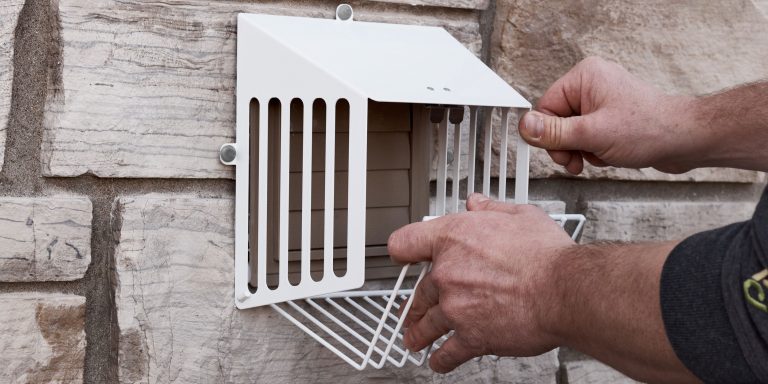
HY-GUARD EXCLUSION Foundation Vent Screens with InsectArmor™ are built with durable 1.6 mm steel mesh that’s strong enough to resist wildlife damage while remaining fine enough to help keep out flies, wasps, bees, stink bugs, and many other pests.
4. Roof Vents
Roof vents attract insects because warm air and odors escape through them. Once nearby, they slip in through structural gaps, worn or missing screens, or simply ride the air currents inside.
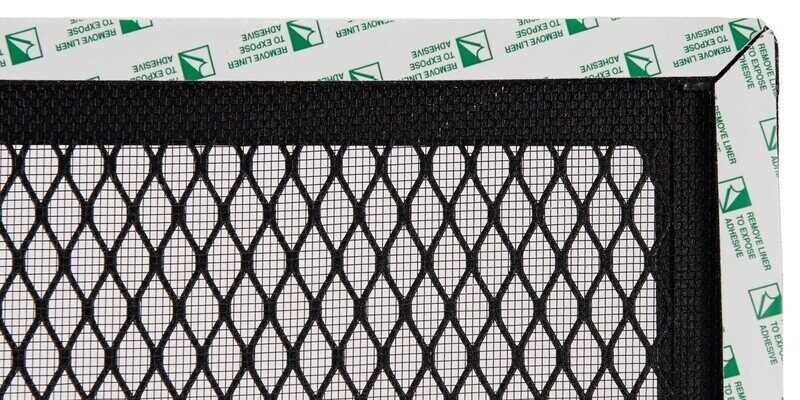
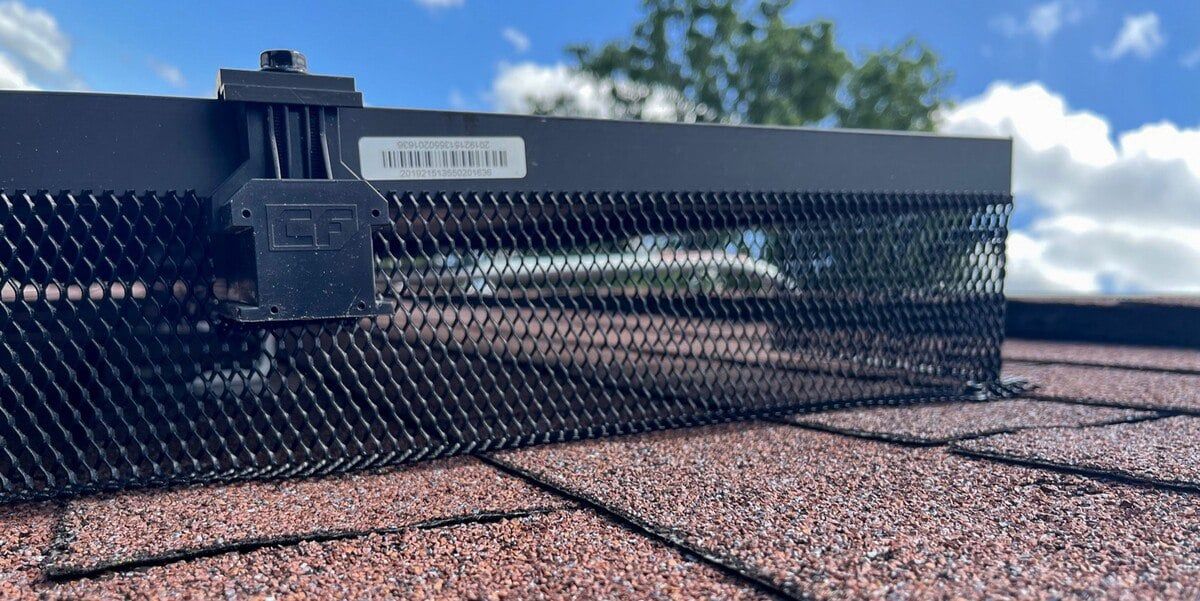
Pest Armor® is available in multiple profiles designed to protect vulnerable roof and siding openings where insects and nuisance wildlife commonly enter. Built from durable ¼-inch galvannealed steel mesh (with select ⅜-inch options), different Pest Armor profiles are engineered for applications including roof ridge vents, roof deck intake vents, roof offsets, soffit gaps, siding transitions, and rooftop solar panels… all while helping maintain proper ventilation.
5. Gable Vents
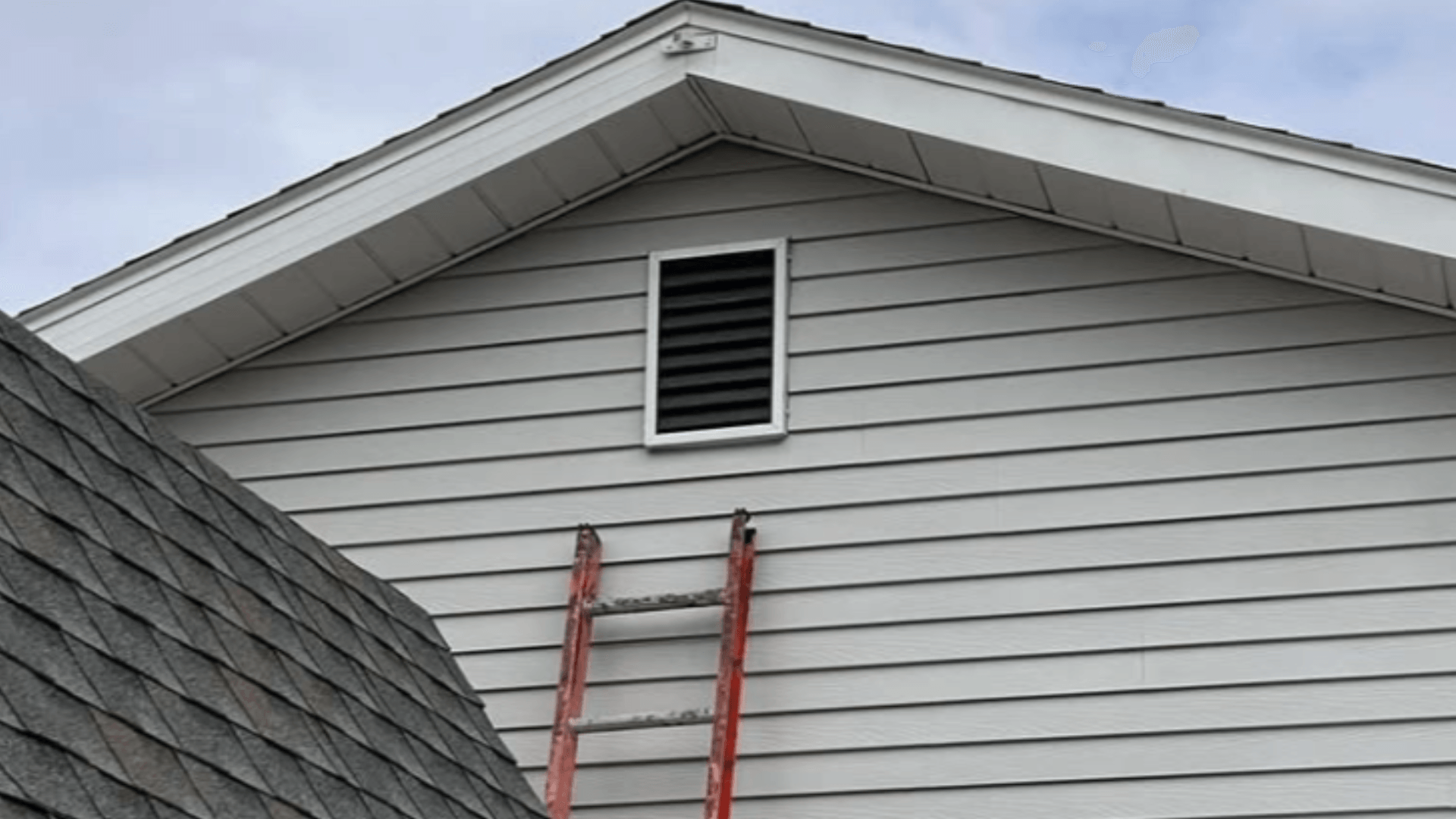
Gable vents pull insects in for the same reasons roof vents do — shelter, warmth, and easy access to attic nesting material — and the usual point of entry is torn, rusted, or loose-fitting mesh.
The HY-GUARD EXCLUSION Pest Armor Gable VentGuard™ uses a ¼" woven galvannealed steel mesh that's tight enough to keep out most insects and animals while still allowing full ventilation.
Bottom Line
While no exclusion product can guarantee every insect stays outside, addressing these common entry points can dramatically reduce the number of pests that find their way indoors.
Keeping insects out doesn’t have to come at the expense of proper ventilation. By protecting these common entry points with products designed to preserve airflow, homeowners can reduce pest problems while helping their home perform as intended.
