
Jan 7, 2026
Share:
Subscribe now and get our latest blog and video content delivered straight to your inbox.
Jan 7, 2026
Winter weather comes with an inherent sense of wonder.
Whether it’s a crisp morning with fresh snow crunching underfoot or a full blizzard that turns your neighborhood into a snow globe, winter tends to feel a little magical. But for homeowners, winter weather also brings serious risks — especially to your roof.
Winter storms cause billions in insured losses each year, with water and freeze damage ranking as the second most common homeowners insurance claim, averaging $15,400 in damage per claim. Even homes with proper insulation and maintenance can experience winter roof damage due to snow load, ice buildup, and freeze-thaw cycles.
Understanding how winter stresses your roof is the first step toward preventing costly damage before it starts.
Winter roof stress isn’t just about ice dams
Snow and ice affect your roof in multiple ways, including:
- Snow load stress on roofing structures
- Freeze-thaw cycles that crack and weaken materials
- Ice dams that force water under shingles
- Blocked roof vents and poor attic ventilation
- Moisture buildup that leads to mold and interior damage
A snow load refers to the weight of accumulated snow on a roof. Most residential roofs are designed to support about 20 pounds per square foot, but wet, compacted snow weighs far more — and just two feet can exceed that limit.
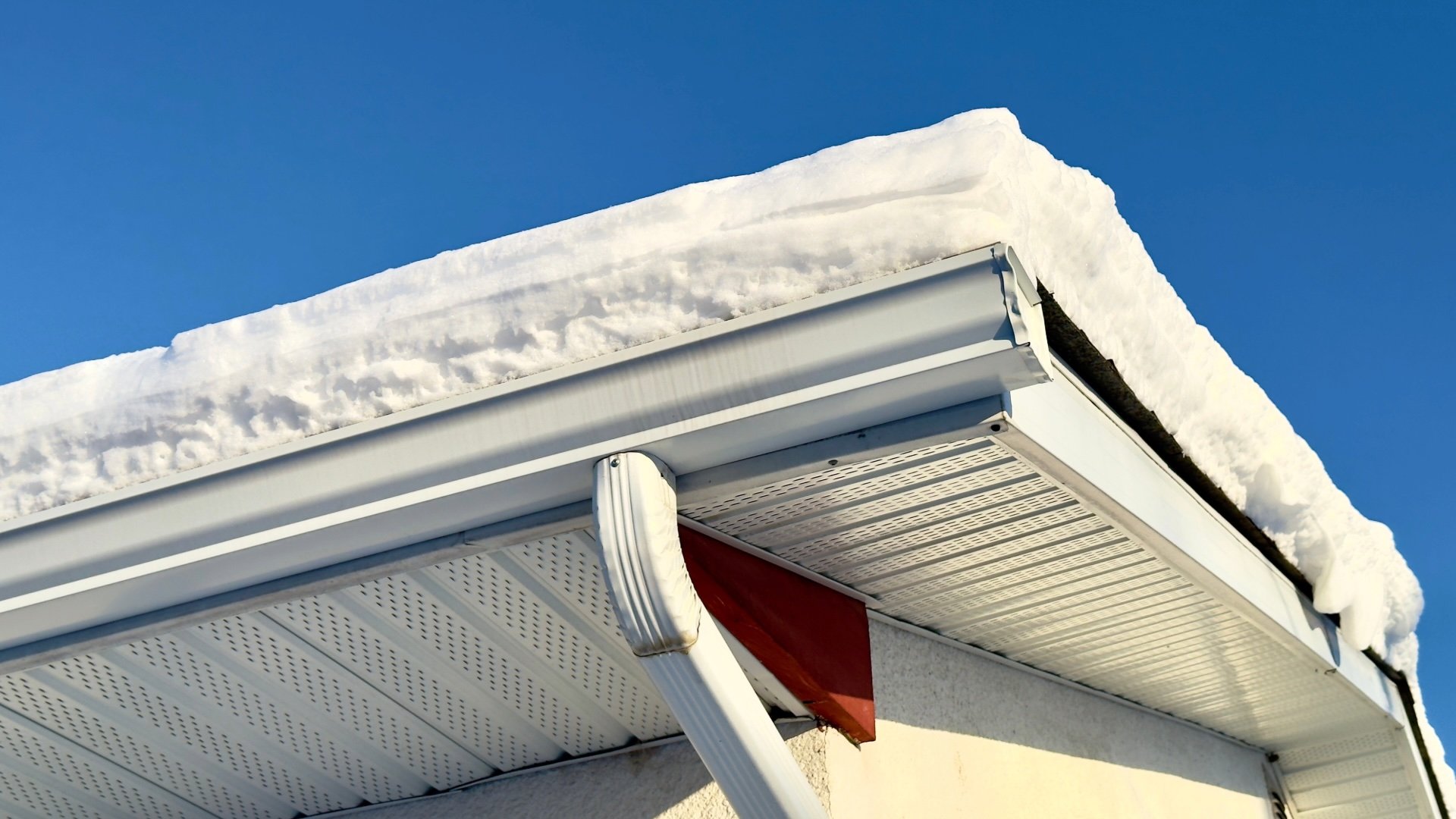
Freeze-thaw cycles further accelerate damage as melting snow refreezes, expands, and contracts, weakening shingles, flashing, and vent components over time.
Ice dams can be spotted due to the massive icicles they form along edges or gutters, but some of these other issues can persist unseen — primarily due to the height at which they occur. With that, there are ways to fight these hidden forces, one of which is roof raking.
Why roof raking is common in heavy-snow areas
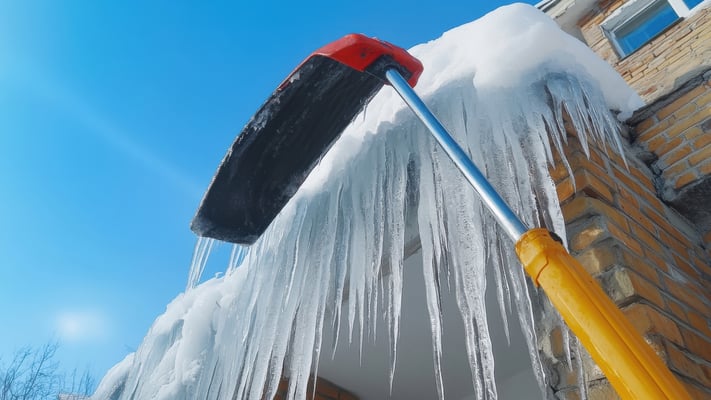
In northern climates, roof raking is a widely recommended winter maintenance practice. It typically consists of clearing the lower 3-4 feet of snow after storms, which helps homeowners:
- Prevent ice dams from forming at roof edges
- Reduce excessive snow load and roof stress
- Protect gutters from ice and snow damage
- Remove snow safely from the ground without ladders
- Extend roof lifespan by minimizing moisture intrusion
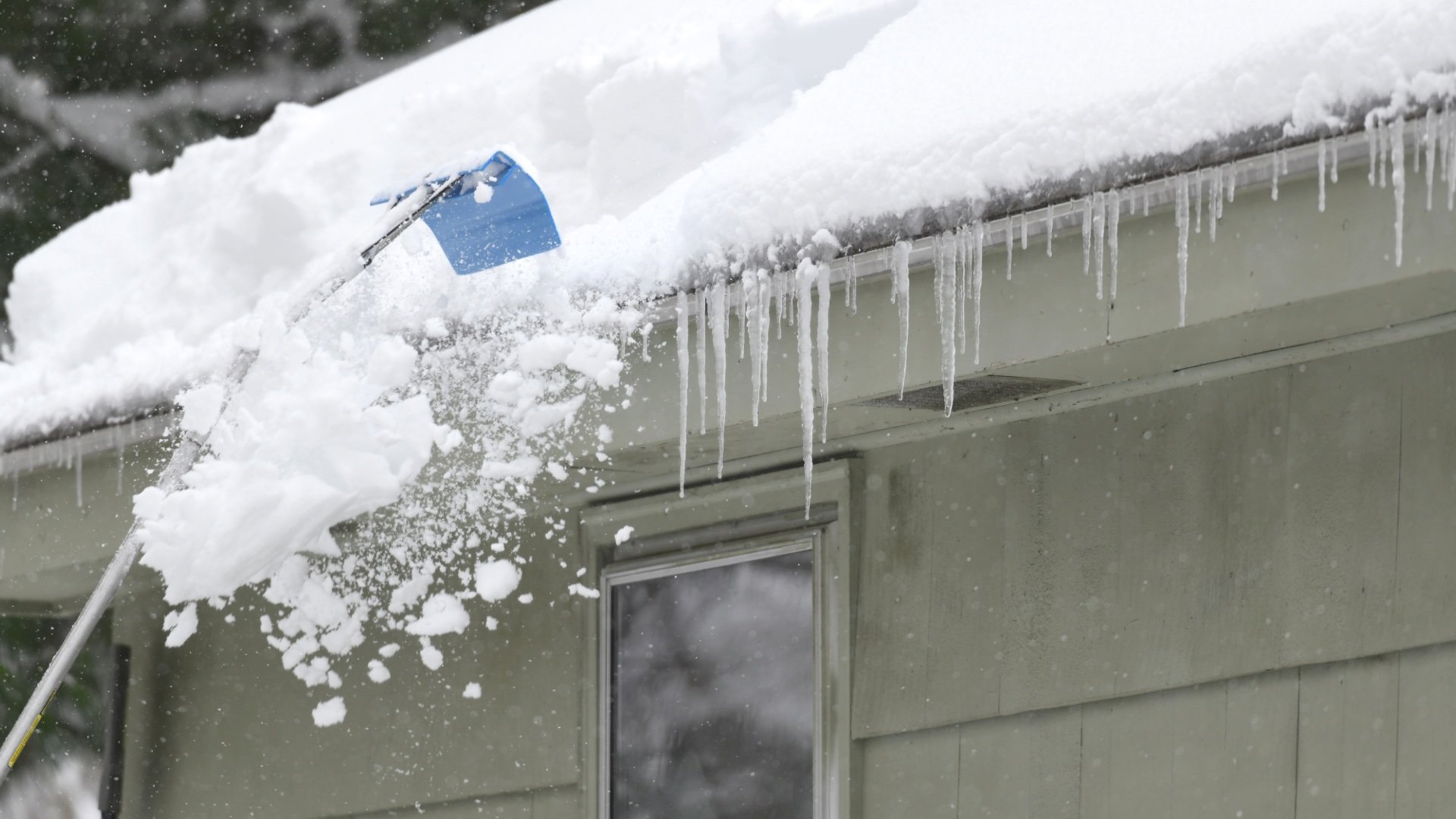
Roof raking is effective, but it can introduce another risk many homeowners don’t anticipate.
Roof vent damage.
How roof raking damages roof vents
Roof vents are frequently damaged during snow removal because they are hidden beneath snow and made from relatively thin materials.
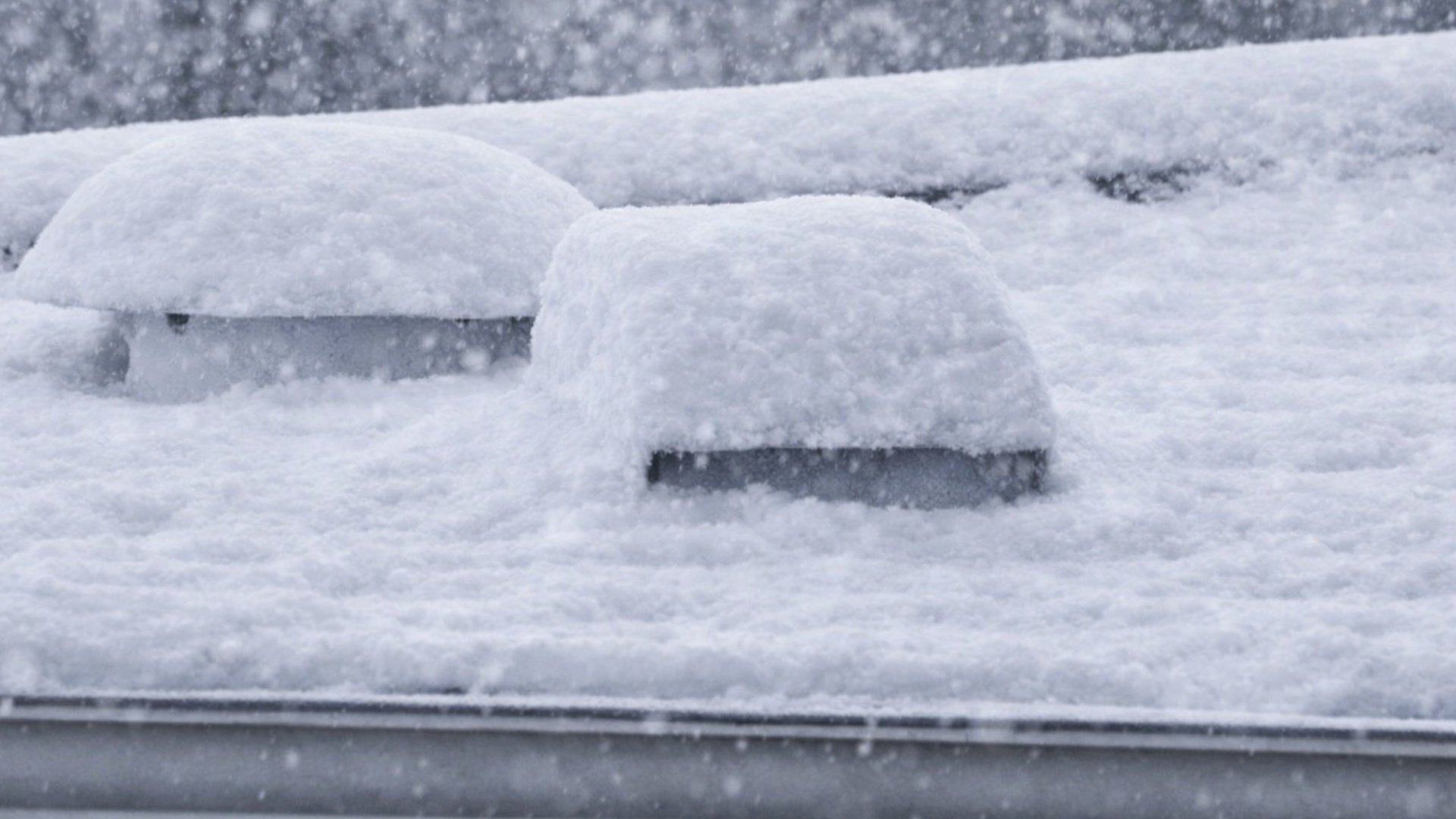
Key reasons roof raking causes vent damage include:
- Snow cover obscuring vent locations
- Long-handled roof rakes offering little tactile feedback
- Increased leverage that amplifies impact force
- Heavy snow releasing suddenly and sliding into vents
- Homeowners underestimating how fragile most vent covers can be
As a result, vents are often bent, crushed, or partially collapsed — and often without any visible damage from the ground.
Why damaged roof vents cause bigger winter problems
Roof vents play a critical role in attic ventilation. When roof vents are damaged or restricted, airflow decreases, leading to:
- Excess attic moisture
- Increased mold and mildew risk
- More frequent ice dam formation
- Higher stress on roofing materials
- Ongoing winter roof problems that worsen over time
Because of this, in cold climates, proper roof ventilation is just as important as insulation when it comes to preventing winter damage.
Light-weight steel or aluminum vent termination vs. heavy-duty steel protection
Many standard roof vent terminations are made from lighter gauge steel or aluminum. They aren’t really designed to withstand:
- Repeated roof raking
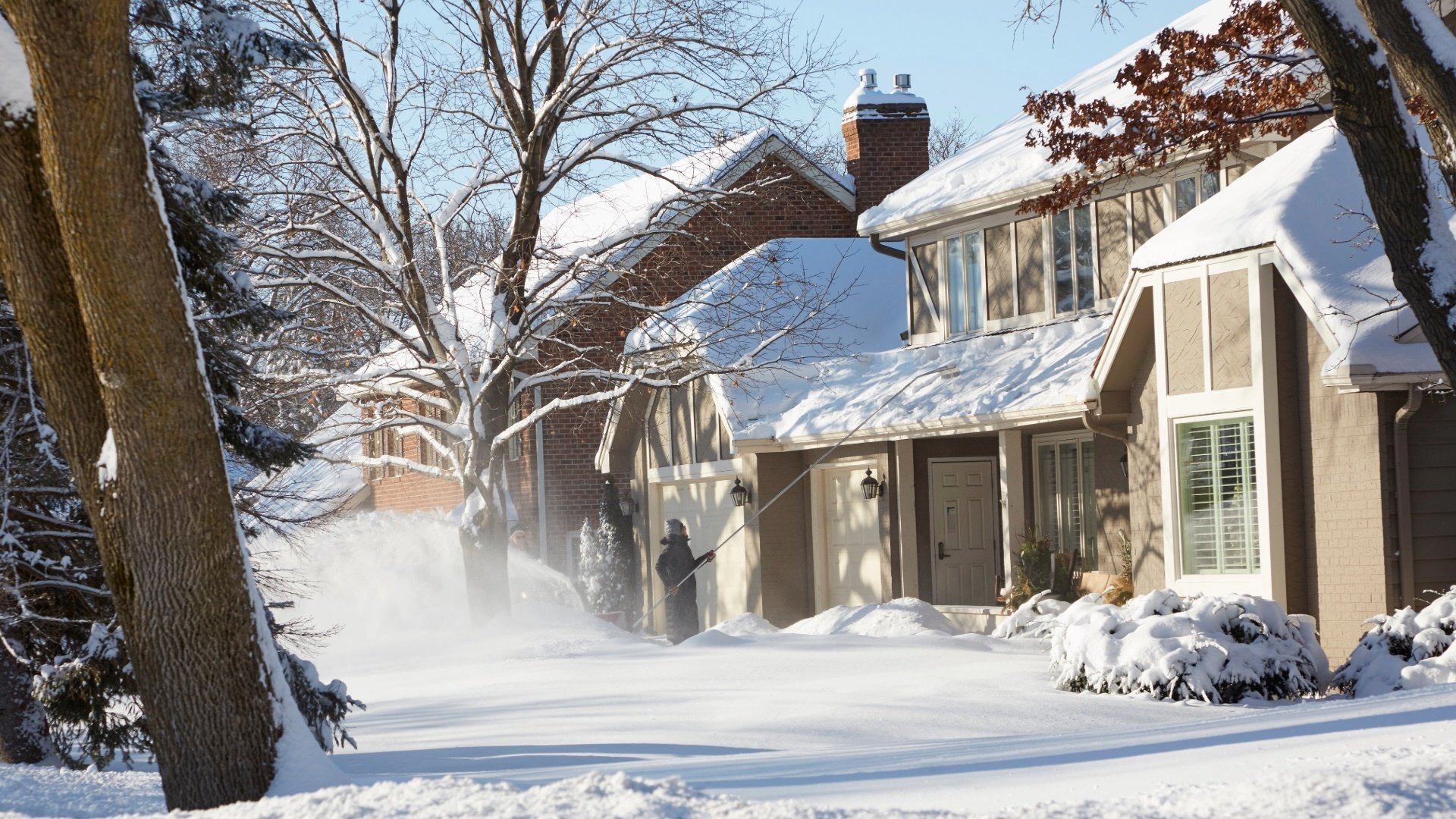
- Heavy snow and sliding ice
- Multiple winters of freeze-thaw stress
Over time, light-weight vent terminations bend, fatigue, and fail. This can happen after only a few seasons in snow-heavy regions, too.
Why heavier vent guards matter in northern climates
Heavy-duty steel vent guards — like the HY-GUARD EXCLUSION® Roof VentGuard™ Plus — are designed specifically for harsh winter conditions experienced more heavily in certain regions. They offer:
- Greater resistance to snow rake impact
- Improved durability under heavy snow loads
- Long-term performance through winters
- Protection beyond animals, including rough winter maintenance
This makes them a practical upgrade for homeowners who regularly deal with snow removal and winter roof stress.
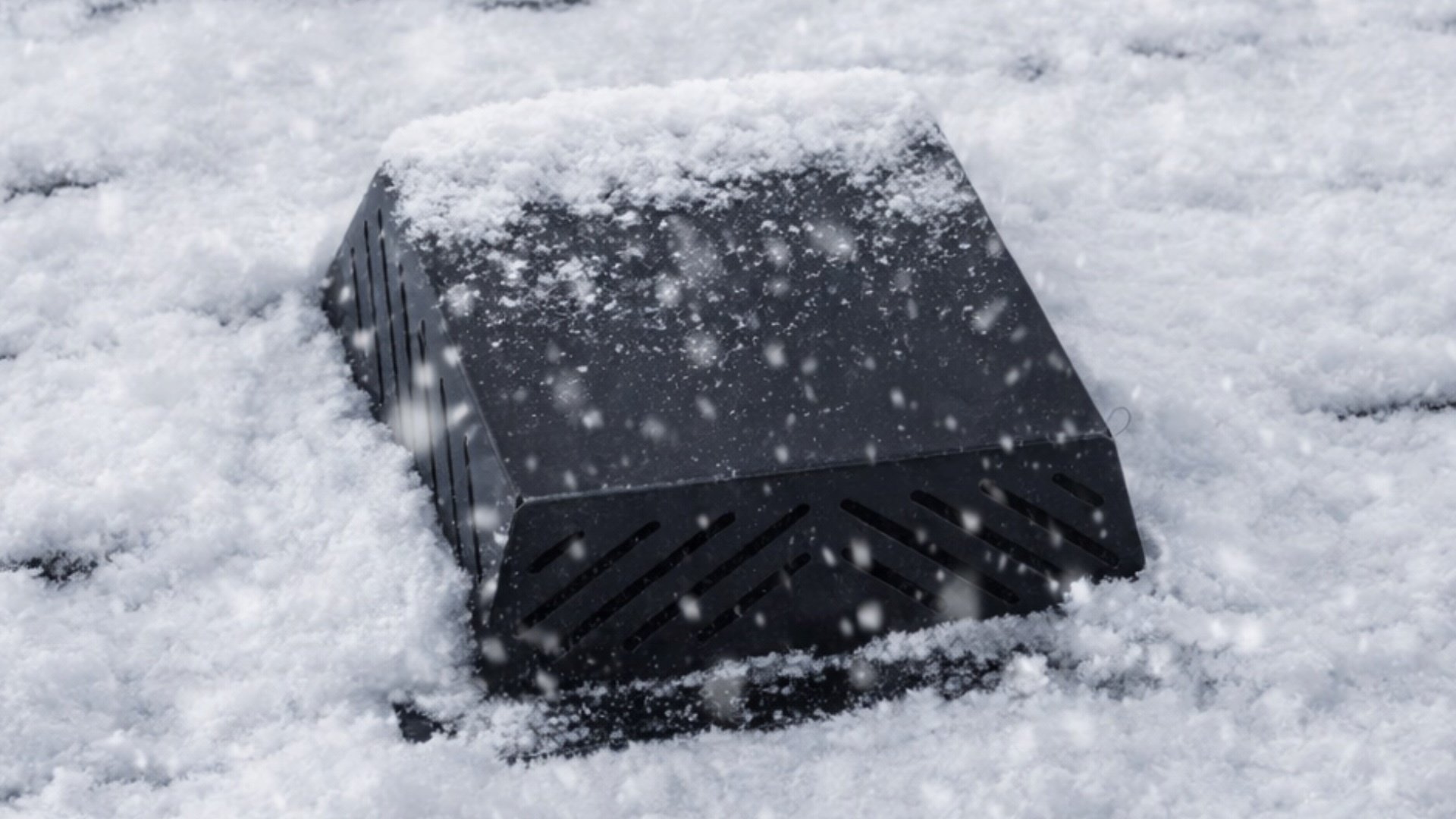
Our Roof VentGuard Plus, featuring Paint-Lock Galvannealed Steel™ construction (in black, of course), installs easily and comes single-unit or via 6-pack. Retaining 50 square inches of venting area, Roof VentGuard Plus is ideal for all roof pitches.
It’s a simple upgrade that helps protect one of the most vulnerable — and overlooked — components of your winter roof system.
Preparing your roof for winter
Snow loads and ice dams may be the most visible winter roof problems, but they aren’t the only ones. Taking winter roof precautions means accounting for more than just snow and ice.
Here’s a quick winter roof preparation checklist:
- Clear roof snow safely after major storms
- Try to avoid striking roof vents when roof raking
- Inspect roof vents each spring
- Upgrade to heavy-duty roof vent protection if you live in a snow-heavy region
These small preventive steps can help you reduce repairs, protect ventilation, and extend the life of your roof.
Winter will always bring snow and ice. Make sure your roof is built to handle both — and the maintenance that comes with them.