
Dec 12, 2025
Share:
Subscribe now and get our latest blog and video content delivered straight to your inbox.
Dec 12, 2025

Icicles are a telltale sign of winter weather.
Once temperatures drop below 32°F, those sparkling spears hanging from every overhang announce that — even without snow — it’s officially time to bundle up. Grab your heavy coat, warm drink, and brace yourself for that morning dash to the car, dodging slick patches and defrosting your windshield before heading out for your day.
On your way, you’ll spot icicles on roofs, trees, gutters, bird feeders, car mirrors, even the beards of passing neighbors. If it has an edge, it can probably grow an icicle.
But have you ever wondered why some houses grow massive icicles while others hardly get any?
There’s some science behind that.
What are icicles and how do they form?
If you’ve never lived in a cold climate, you still know an icicle when you see one. But understanding how they form can tell you a surprising amount about the state of your home.
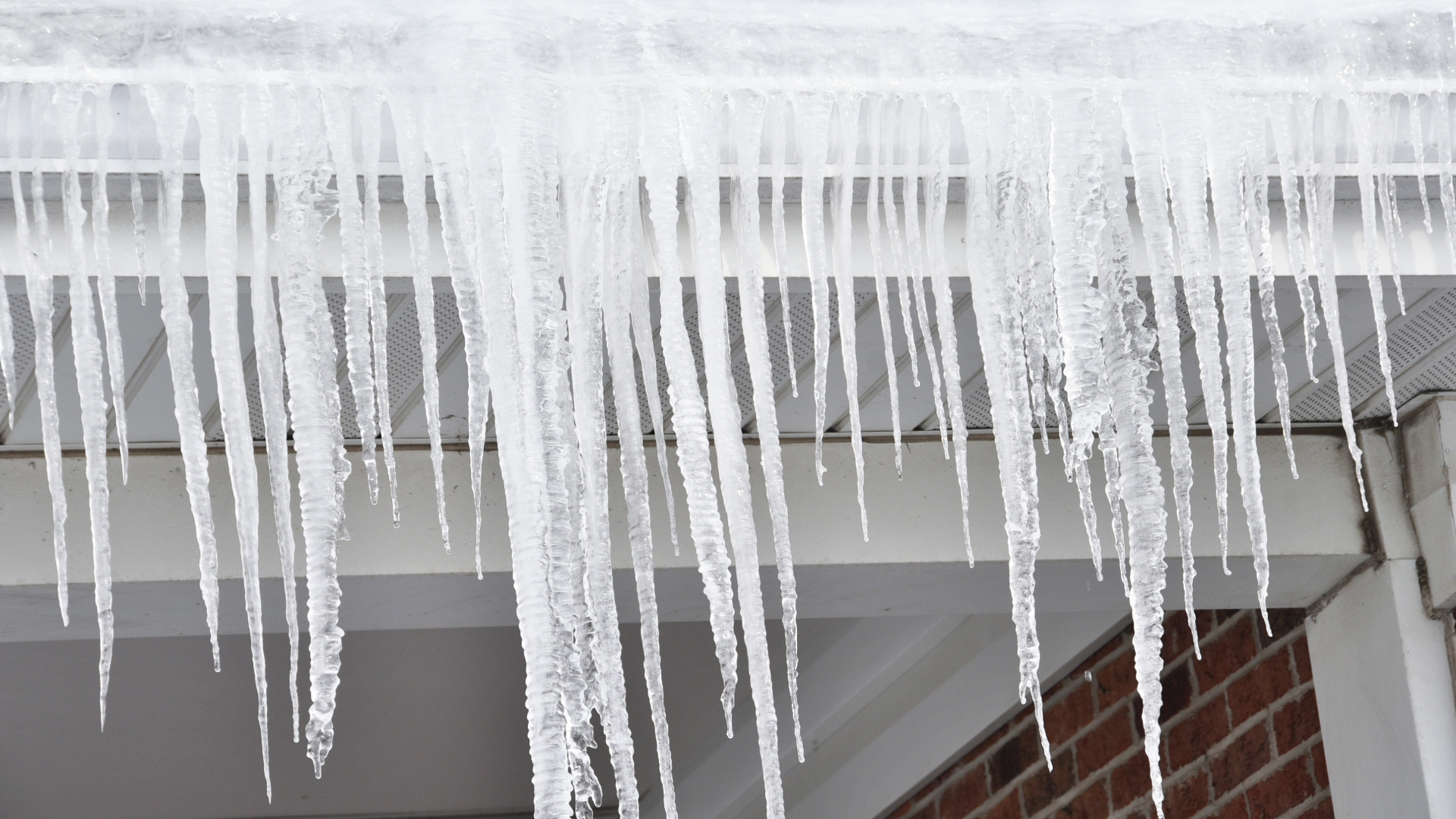
Icicles are downward-pointing spikes of ice that form when melted water drips and then refreezes before it reaches the ground. They actually require both hot and cold at the same time: warmth to melt snow, and freezing air to refreeze the runoff.

Here’s the process:
- Heat (i.e. sunlight) melts snow on the roof
- The water flows toward the edges or into gutters
- As it reaches freezing air, it begins to solidify
- Each new droplet freezes onto the last, growing the icicle from top to bottom
Those ripples or bumps on icicles? They’re caused by impurities — minerals, salt, or debris — freezing unevenly.
Where icicles freeze is important, too.
Icicles on only the north side of your home are normal, indicating lower sun exposure. Meanwhile, large, randomly-placed icicles can be traced back to significant heat loss, and gutter-only icicles are often the result of poor drainage.
But even small, delicate icicles can indicate that something’s not quite right with your home. And the biggest culprit?
Ice damming.
What is ice damming?
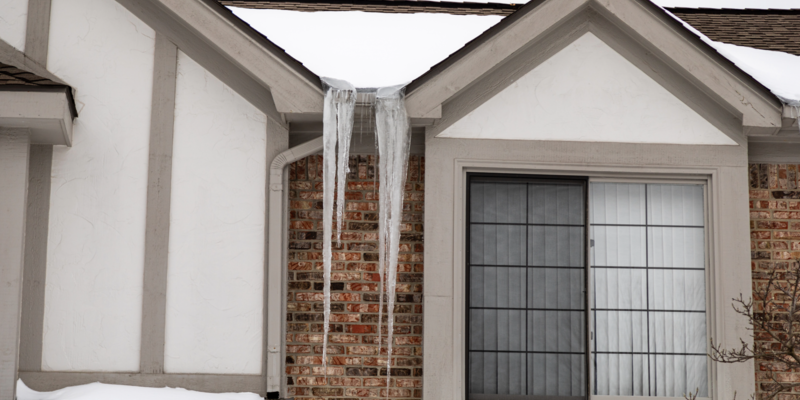
On homes, icicles typically aren’t just pretty winter decorations; rather, they’re signs that melted snow is flowing to the roof edge but can’t drain properly. That’s exactly what ice dams are: thick ridges of ice that form along the roofline or inside gutters, blocking drainage.
When water has nowhere to go, it can back up under shingles, behind siding, and sometimes straight into your home. Icicles just so happen to be the first visible warning of these occurrences.
How does ice damming affect your home?
Ice damming can lead to a range of issues, including:
Interior and structural problems
- Water leaking under shingles
- Moisture intrusion in walls, ceilings, and basements
- Mold growth in attics
- Foundation and structural damage if the issue persists
Weight and strain on your roof
Snow and ice are surprisingly heavy. Large icicles can pull gutters away from the house or tear them off entirely. Prolonged weight can warp eaves and damage other structural components.
And the root causes behind these issues typically fall into one (or more) of the following categories.
What icicles might be telling you
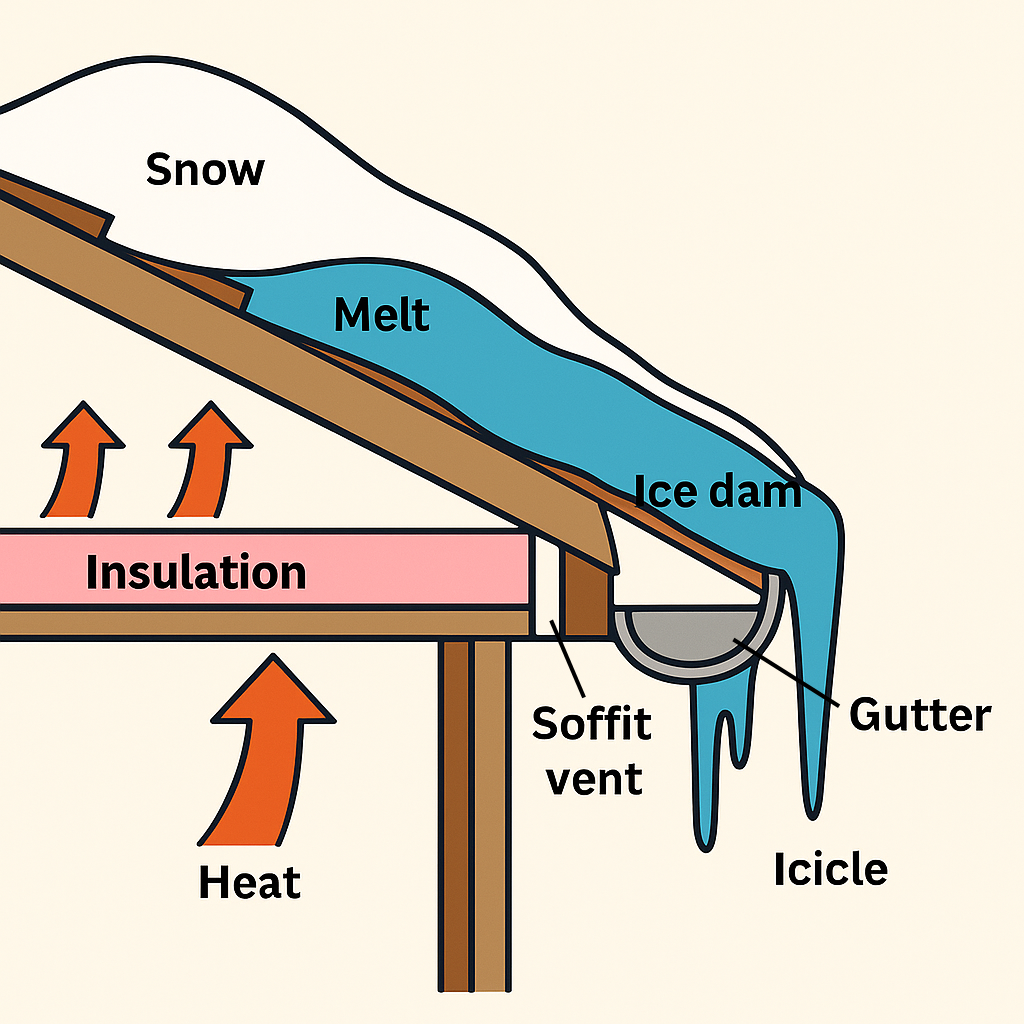
You have insulation issues
Poor attic insulation allows indoor heat to escape upward. Just like sunlight melts snow, so does warm air leaking from your home. That melting, followed by refreezing at the edges, jumpstarts the icicle-ice dam cycle and can also drive up your heating bills. Yikes.
You have ventilation issues
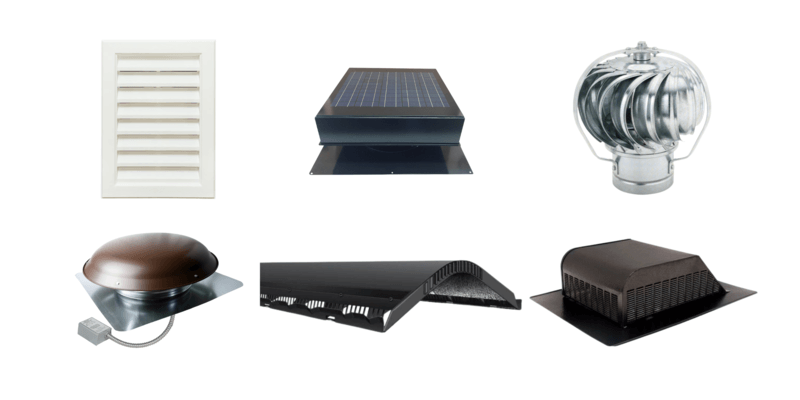
Older homes especially may not meet modern ventilation standards. Loose vents, cracks, gaps, and other warm-air escape points can send heat right into attic spaces or the great outdoors. The result mirrors poor insulation: more melting, more refreezing, and more icicles.
Your gutters are clogged
Even if heat loss isn’t the trouble, clogged gutters can be. Leaves, sticks, and debris can trap snow and water, speeding up ice dam formation and increasing the weight on your gutter system. It’s a year-round concern, but in winter, it becomes a bigger problem.
What you can do to prevent ice dams and icicles
Fix your insulation issues
- Add insulation to the attic to create a strong thermal barrier
- Seal gaps around pipes, wiring, and light fixtures
- Weatherize leaks to prevent warm air from escaping
Improve your ventilation
- Ensure you know where vents are releasing air
- Seal leaks where warm air escapes unintentionally
- Consider bringing in a professional to evaluate airflow
Keep your gutters clean
- Clean gutters at least twice a year
Additional ice dam prevention
- In extreme northern climates, use a roof rake to clear the lower 3-4 feet of roof snow after storms
- Install heat cables along roof edges and in gutters
- Use de-icer products carefully (try to avoid rock salt — it damages shingles, corrodes metal, and the EPA warns against overuse)
In emergencies, like when water is already leaking inside, you can use a garden hose with warm water to melt a channel through the ice. Just remember: this is a temporary fix.
Because snow varies — sometimes light and fluffy, other times wet and heavy — there’s no one-size-fits-all rule for when to intervene. Use your best judgment and check your roof conditions regularly.
Icicles might be the first sign of a problem, but they don’t have to be a cause for panic.
With the right maintenance and a little winter know-how, you can keep your home safe, dry, and warm all season long.