

Jan 28, 2026
Share:
Subscribe now and get our latest blog and video content delivered straight to your inbox.
Jan 28, 2026
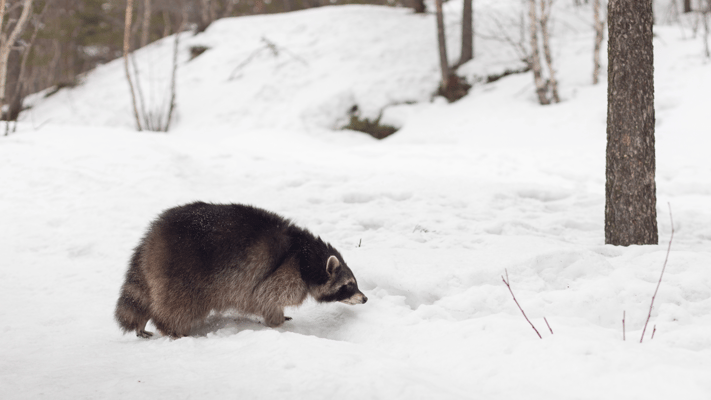
At our home base in St. Louis, 20°F mornings followed by 60°F afternoons aren’t unusual during the winter.
These dramatic temperature swings can leave people frustrated — juggling layers, adjusting thermostats, or scraping away ice that melts by noon. What’s easy to forget is that our outdoor neighbors experience much of the same confusion.
If you’ve noticed more wildlife around your home this winter, especially during periods when temperatures bounce between freezing cold and spring-like warmth, there’s a reason. Rapid weather fluctuations can significantly influence animal behavior, activity levels, and visibility.
Why you’re seeing more wildlife in winter
Spotting foxes, raccoons, or skunks in winter — sometimes even during the day — can be surprising, but it’s often completely normal. Several factors contribute to those increased sightings:
- Food scarcity: Snow and frozen ground limit access to insects, berries, and small prey, pushing wildlife to forage closer to homes where bird feeders, garbage, pet food, and rodents are easier to find
- Less foliage: Bare trees and shrubs make wildlife easier to see, even if their behavior hasn’t changed dramatically
- Shelter seeking: Cold snaps drive wildlife to warm, protected den sites, often under decks, porches, sheds, or in crawl spaces (unless they can climb like raccoons, which opens up the attic and chimney as possible targets)
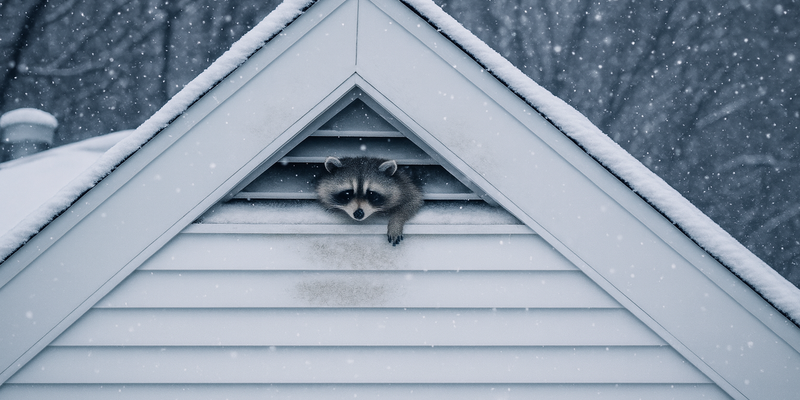
Even in a “typical” winter, wildlife activity doesn’t stop; it just shifts.
Why cold mornings and warm afternoons matter
Extreme temperature swings don’t only make animals more visible. They can change behavior patterns, too.
Many species, including raccoons and skunks, don’t truly hibernate. Instead, they enter torpor, a state of reduced activity. When temperatures rise — even briefly — these animals can wake up and be thrust into activity.
- Torpor and arousal: Warm spells encourage animals to leave dens and search for food
- Foraging windows: Increasing temperatures create short opportunities to eat and return to shelter before cold returns
- Early breeding cues: Fluctuating temperatures can signal the start of breeding season earlier than usual
A few mild afternoons make a big difference in when you start seeing wildlife again and what behaviors they’re exhibiting.
How breeding season increases activity
On the note of early breeding cues, winter and early spring are prime breeding times for many mammals:
- Foxes: Breed January-March; pups born March-May
- Raccoons: Breed January-March (sometimes into June); kits born April-May
- Skunks: Breed late January-March; kits born April-June
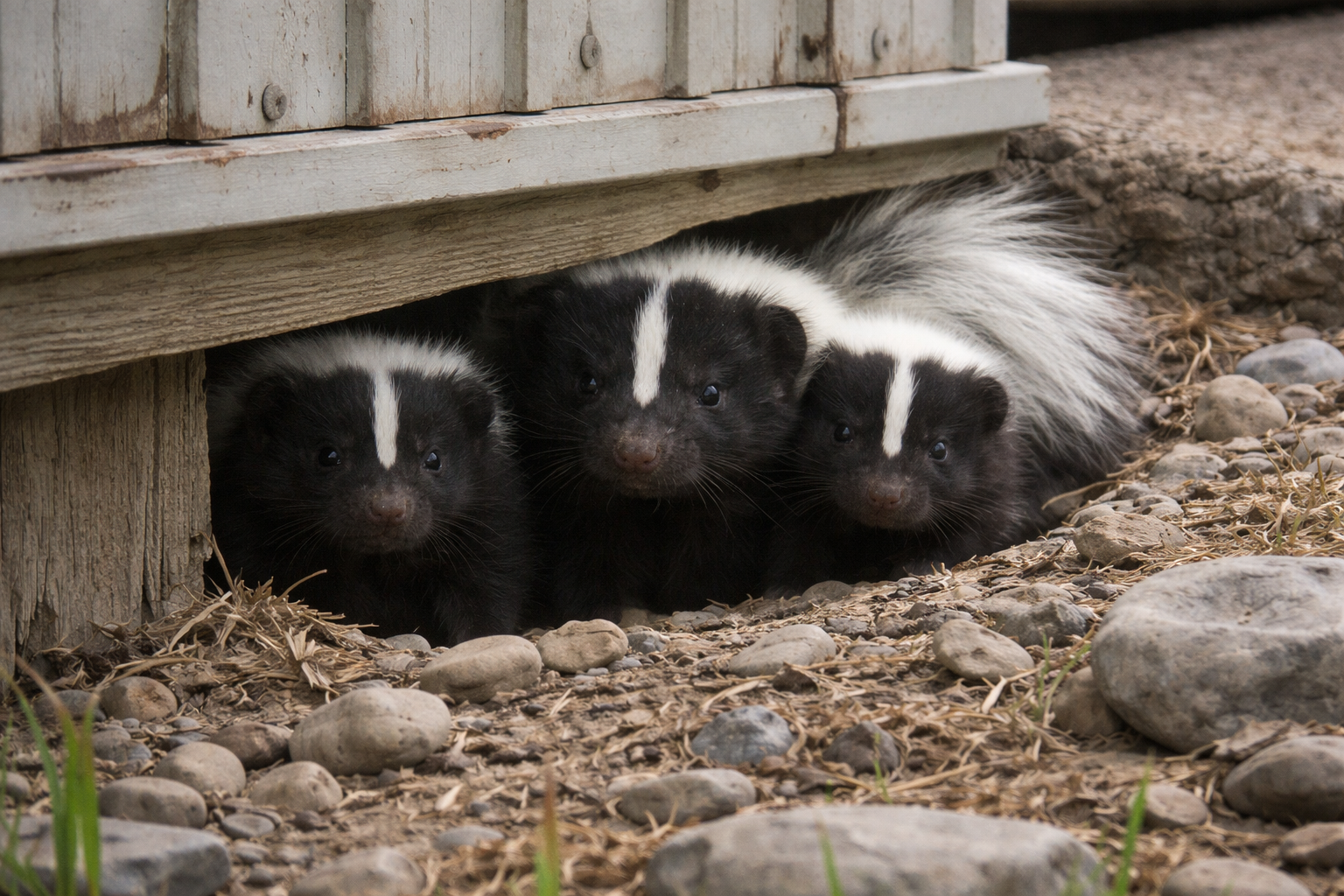
Warm winter days can accelerate wildlife breeding activity, and earlier litters may strain food resources later. When food availability doesn’t match offspring needs, animals experience higher energy stress and lower reproductive success — one reason animals may forage aggressively near homes.
Quick behavioral notes
There are a few things to keep in mind when encountering wildlife in the winter:
- Less cautious behavior: Animals during breeding season, especially males, move more and take risks — similar to deer during the rut. Stay calm, and give them space
- Daytime activity is normal: Seeing wildlife in daylight, even females with young, usually means they’re foraging, not sick. Rabies is rare
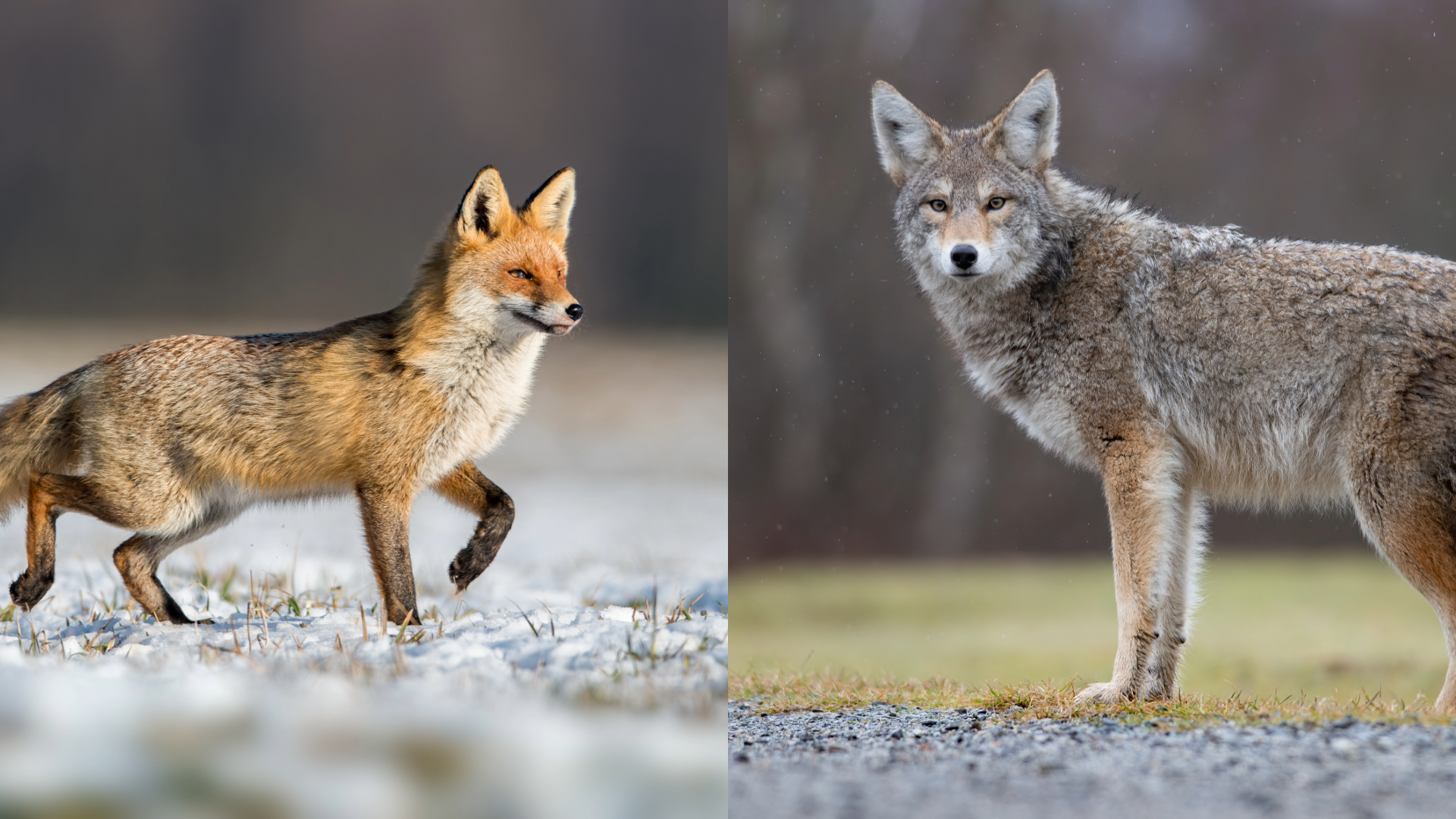
- Predator presence might be helpful: Foxes and other small predators reduce rodent populations near homes, which can actually benefit humans. Foxes are generally shy and focused on small prey; they rarely threaten pets or enter homes
Just don’t lump foxes with coyotes. Coyotes are a different story and require different precautions.
Protecting your home responsibly
Understanding these behaviors also helps explain why prevention, not reaction, is so important.
Wildlife seeks warmth and shelter in winter, and crawl spaces, chimneys, and vents are common entry points alongside construction gaps. Purpose-built vent and chimney covers maintain airflow while preventing access — something temporary fixes often fail to do.
- Crawl spaces: HY-GUARD EXCLUSION® Foundation Vent Screens deter nesting while preserving ventilation
- Rooftops and chimneys: Raccoons can climb; chimney caps and exclusion screens or guards prevent entry
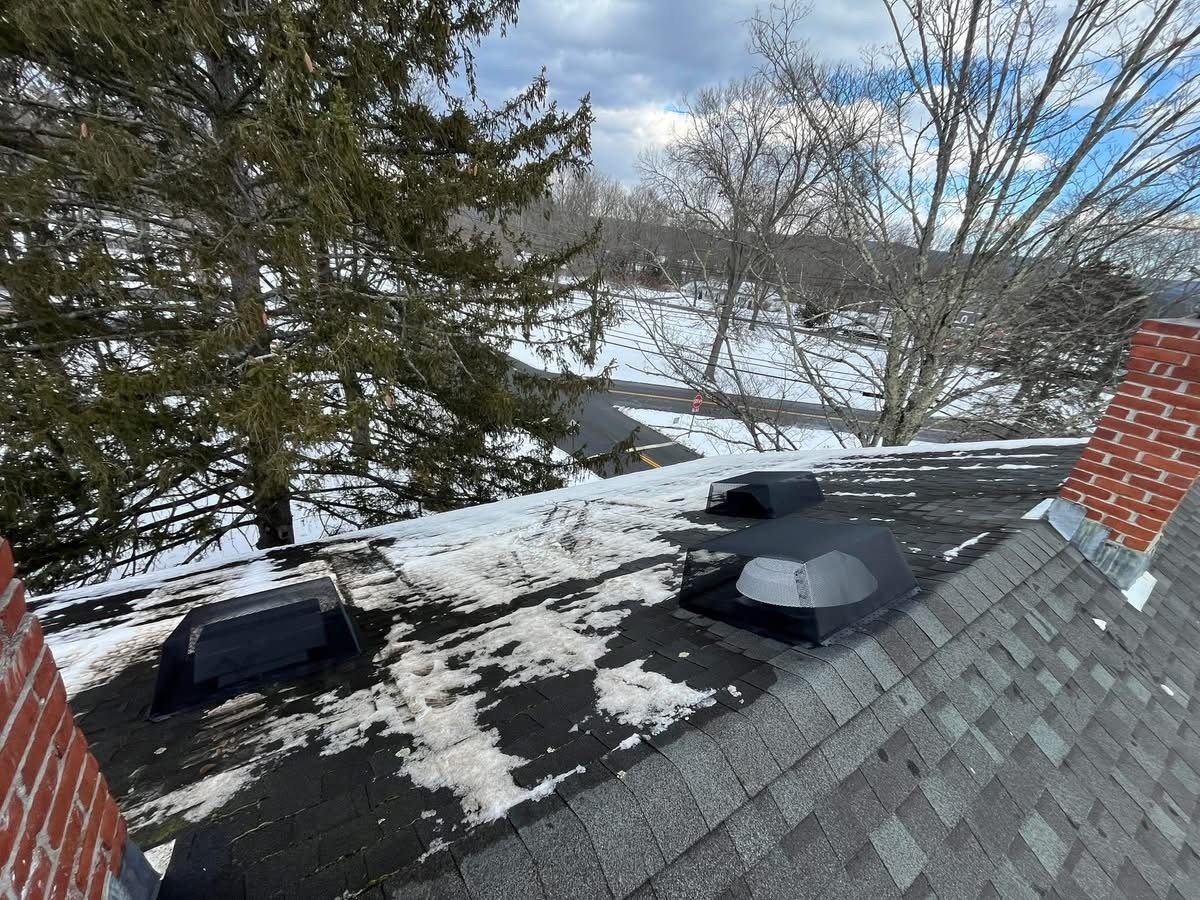
- Inspection first: Always check that no animals are inside before sealing openings
Trapping wildlife inside the dwelling can cause property damage, odors, and welfare issues. If you see tracks, nesting material, or hear noises, delay repairs and consult a qualified professional.
Winter wildlife activity may seem surprising, but understanding these patterns helps homeowners respond responsibly to the wildlife in their neighborhood.
