
Jan 16, 2026
Share:
Subscribe now and get our latest blog and video content delivered straight to your inbox.
Jan 16, 2026
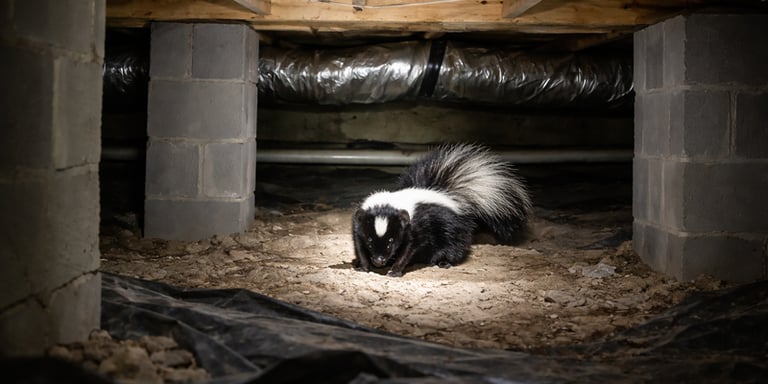
Cold weather drives people indoors, and wildlife tends to follow the same instinct.
During winter, animals like raccoons, skunks, and rodents actively search for warm, protected spaces to shelter and prepare for the months ahead. One of the most overlooked entry points? Crawl space vents.
Winter is when crawl space vent problems are easiest to spot — and safest to address — before wildlife turns them into dens in time for spring.
Why crawl space vents matter
Before diving in, it helps to understand what a crawl space is and why it plays such an important role in the home.
A crawl space is a shallow, unfinished area between the ground and the first floor of a house, typically one to three feet high. It acts as a buffer between the structure and the ground and often houses essential utilities like plumbing, wiring, and HVAC components.

While some modern homes use sealed crawl spaces, many existing homes rely on vented crawl spaces that require intact, properly screened vents.
In vented crawl spaces, foundation vents — commonly called crawl space vents — allow outside air to circulate beneath the home. This airflow helps manage moisture and regulate temperature.
However, when vents are damaged, missing, or poorly protected, they can also become easy access points for wildlife.
Why winter is the ideal time
There are several reasons winter is the best time to address crawl space vent issues.
In winter:
- Most animals have finished raising their young, reducing the risk of trapping litters inside
- Repairs and upgrades are proactive rather than reactive
- Homeowners and professionals aren’t rushed by emergency situations
In spring:
- Kits and cubs complicate removal and exclusion
- Certain exclusion removal methods may be delayed or restricted
- Damage is often already done

Winter allows homeowners and pest and wildlife professionals to plan ahead — without fear tactics or last-minute pressure.
What to look for right now
Whether you’re a homeowner or a pest and wildlife professional, there are a few clear signs that a crawl space vent may be at risk during winter:
- Missing or broken vent covers
- Rusted or warped metal vents
- Plastic vents that have been chewed through
- Vents pulled loose from masonry
- Gaps around vent frames
- DIY fixes that block airflow
These visible issues make it easier to spot problems early, before wildlife settles in.
Common wildlife attracted to crawl spaces
Some animals are more drawn to crawl space vents in winter than others.
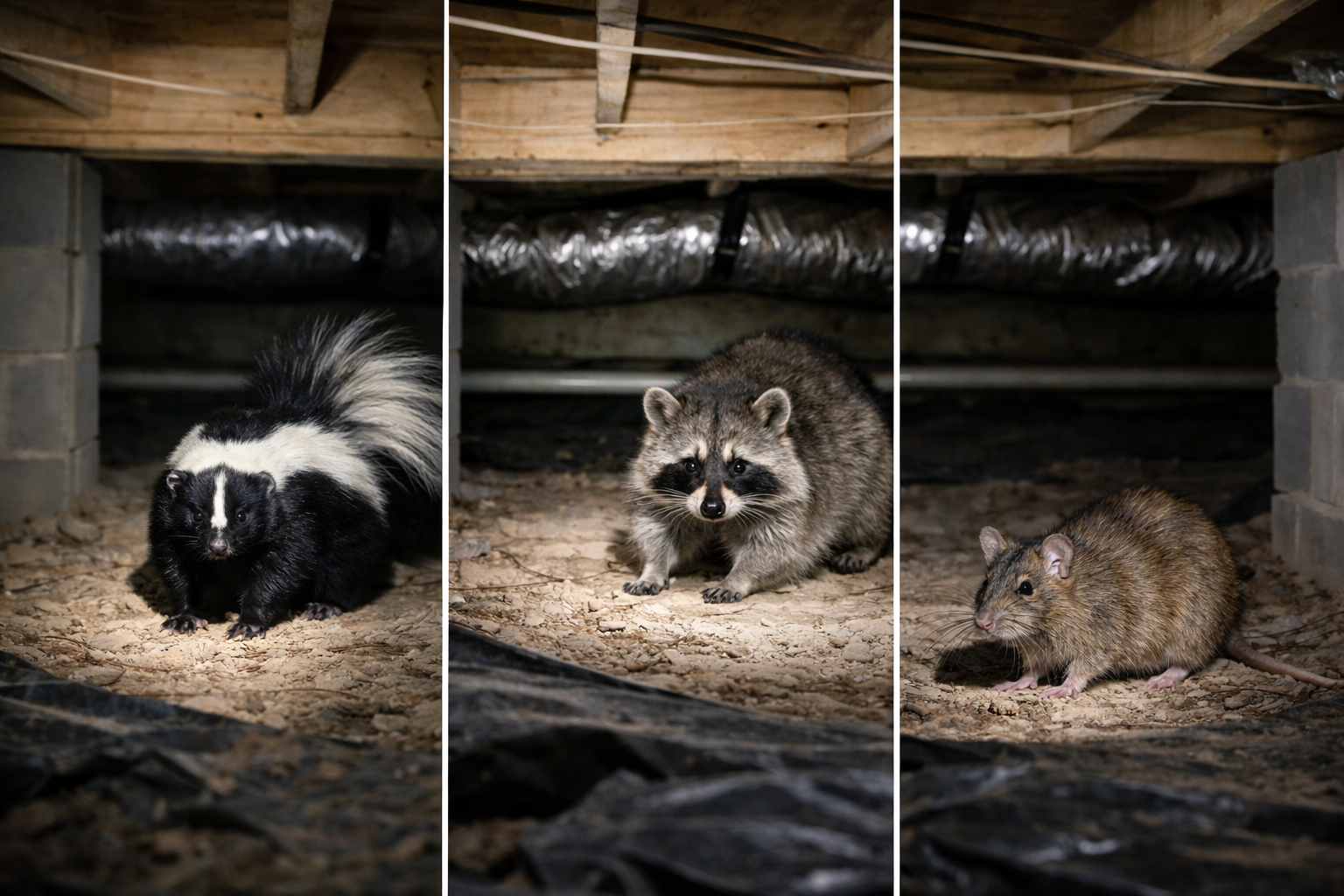
Raccoons and skunks (especially January-February):
- Breeding season is active
- They seek warm, enclosed spaces for denning
- Crawl spaces offer low-effort, high-reward shelter
- Remain active indoors throughout winter
- Exploit small gaps, damaged vent covers, or soft materials
Winter doesn’t create crawl space problems — it reveals them.
What to do if you spot a problem
If you notice damage or suspect wildlife activity, a some smart steps can be taken to help prevent larger issues later:
- Perform visual inspections from outside the home
- Look for tracks, chew marks, or nesting material
- Avoid sealing vents if animals may already be inside
- Contact a professional for proper evaluation
Purpose-built vent covers are designed to maintain proper airflow while preventing wildlife entry — something temporary fixes often fail to do. For example, HY-GUARD EXCLUSION® Foundation Vent Screens are designed to help prevent wildlife from nesting in foundation and crawl space vents while preserving ventilation.
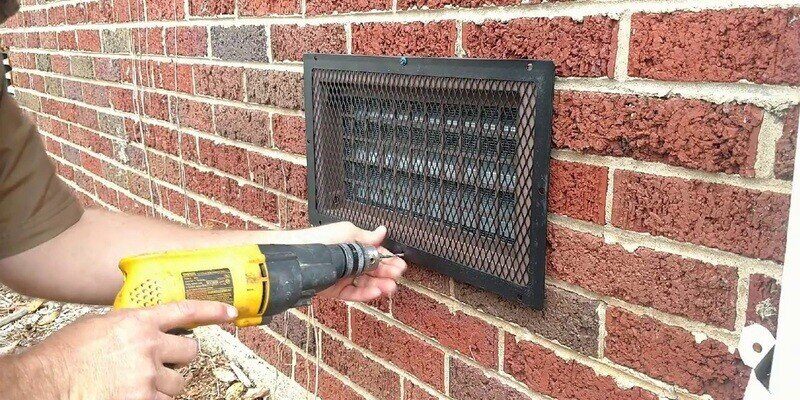
Manufactured from galvannealed steel and available powder coated in black, gray, and white, these screens come in multiple sizes to fit most common foundation and crawl space vent openings.
But before installing or repairing a crawl space vent cover, always confirm that no wildlife is present.
Sealing a vent without inspection can trap animals inside, leading to damage, odors, and animal welfare issues. Signs such as tracks, nesting material, or noises indicate active wildlife, and repairs should be delayed until a qualified professional evaluates the situation.
When in doubt: Inspect first. Don’t seal blindly. Get help if needed.
Prevention now means fewer issues in spring
Crawl space vent issues don’t usually start in spring, but they’re typically discovered then.
Winter offers a valuable window to identify damage, address vulnerabilities, and prevent wildlife from turning crawl spaces into dens during breeding and birthing season. By taking the time to inspect crawl space vents now, homeowners can reduce the risk of costly repairs, avoid complicated removals later, and head into spring with greater peace of mind.
A simple inspection today can make a meaningful difference in protecting your home all year long.