

Jul 1, 2026
Share:
Subscribe now and get our latest blog and video content delivered straight to your inbox.
Jul 1, 2026
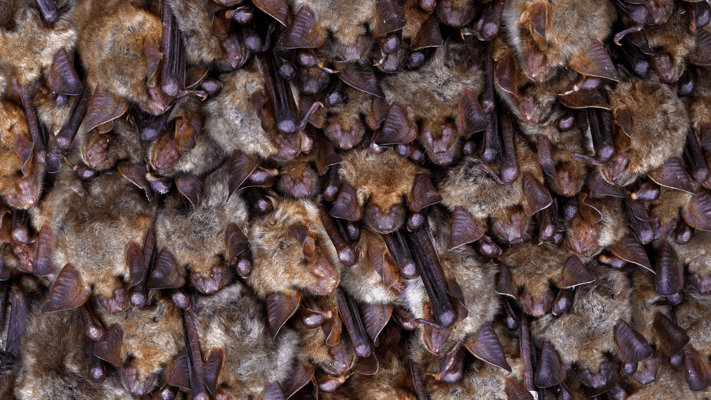
TL;DR: If bats have moved into your home and it's already summer, you've likely missed the legal window to remove them. Instead, take the time to assess, seal what you safely can, document and monitor the situation, and be sure to get homeowners dealing with bat colonies on the schedule ASAP after bat maternity season ends.
You noticed something. Maybe it was a rustling in the attic. Maybe you spotted a bat slipping behind your soffit at dusk. Maybe you found the droppings.
You called around, did some research, and landed on a hard truth: It's summer, the pups haven't learned to fly yet, and in most states, you can't legally do a full bat exclusion right now.
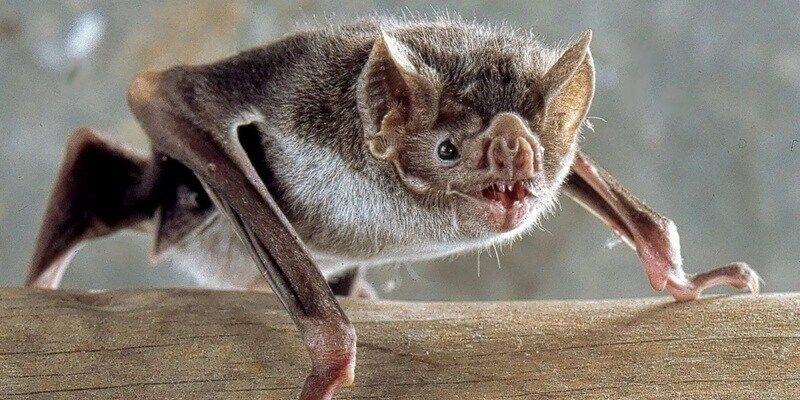
This is one of the most common (and most annoying) situations wildlife professionals deal with all summer long. The good news is that waiting doesn't mean doing nothing, and there are a few alternatives to summer bat exclusions out there.
Here's how to understand what's happening and how to make the most of the time you have.
Why You Can't Just Remove Them Right Now
Across much of the U.S., bats typically give birth in late spring and early summer.
These pups are completely dependent on female bats for several weeks. They can't fly, can't forage, and can't survive on their own. If a wildlife professional were to perform an exclusion during this period — installing one-way devices that let bats out but not back in — the adult females would be locked out while their pups are still inside.
The pups would die in the walls.
Beyond the ethical problem, that creates a serious practical one: Decomposing animals inside a structure, and the very real possibility of pups desperately crawling toward light and warmth and ending up inside a living space.
Because of this, many states have regulations, agency guidance, or industry best practices that discourage or prohibit bat exclusions during maternity season.
What's Actually Happening in Your Attic Right Now
Understanding the timeline can make the waiting period feel less maddening.
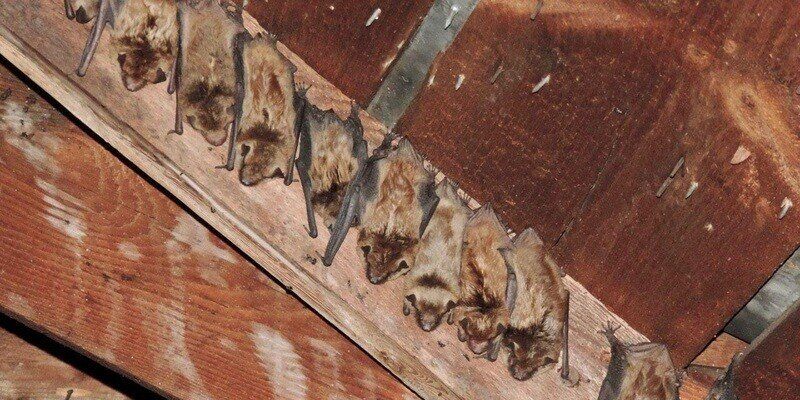
Right now, maternal colonies are at their most active. Adult females are nursing pups while continuing to forage heavily at night, as they need enormous caloric intake to produce milk.
At the same time, pups are growing fast. Within four to six weeks of birth, young bats will begin making their first clumsy flights, often venturing out with the colony at dusk.
By late summer, often August or later depending on the region, the pups are volant (capable of flight) and maternity season is winding down. That's when the exclusion window reopens, and that's when you want to be ready.
What Can Be Done Right Now
Waiting on the exclusion doesn't mean waiting on everything. Bat maternity season is an ideal time to prepare for the next year, meaning homeowners should call you to…
- Get a professional assessment: Identify all entry points, assess the size of the colony, and document the situation. You want this done before exclusion season to avoid surprises
- Maternity season can actually be one of the best times to identify bat entry points. Warm attic conditions and active maternal colonies often create predictable emergence patterns, making it easier to observe where bats are exiting at dusk
- Seal what you safely (and strategically) can: While primary roost entry points must remain open during maternity season, there may be secondary gaps and vulnerabilities elsewhere on homes that can be addressed now to prevent bat entry later
- Address the interior: If guano has been piling up, now is a good time to understand the scope. Large accumulations can harbor a fungus (Histoplasma capsulatum) that poses respiratory health risks, and planning might be needed for cleanup post-exclusion
- Document and monitor: Ensure homeowners note where they're seeing bats exit at dusk. How many? From which points? Keep track of this, as it helps ensure nothing gets missed when exclusion work begins
- Get on the schedule: Late summer is a busy season for wildlife professionals. Be prepared to suggest exclusion work the moment the bat window opens, which beats scrambling in August

What Happens After the Wait
Once the maternity season ends and pups are flying independently, exclusion can proceed. The process typically involves installing one-way exclusion devices over entry points where bats can exit to forage but can't re-enter.
That said, the best bat exclusions are often won before exclusion season begins.
Identifying and protecting secondary entry points during maternity season allows operators to move quickly once exclusion work can legally and ethically start. Exclusion solutions like HY-GUARD EXCLUSION® protect common openings up high, from VentGuards™ and Gable VentGuards™ to our metal roof- and siding-specific Pest-Blok™ profiles.

When done correctly, these exclusions are clean, humane resolutions. The bats will seek alternative roosting locations once access to the structure is eliminated.
The key word is correctly. Bat exclusion that misses even one entry point will fail since bats are persistent and resourceful, and a colony that's been roosting somewhere for years knows every crack in that structure. This makes professional work vital.
The Silver Lining
Here's something worth sharing with worried homeowners during the wait: Bats in the attic are doing real ecological work every night.
They're not damaging structures as rodents do, gnawing wires or building nests. Unlike rodents, bats are not typically chewing wiring, wood, or building materials, although large colonies can create significant cleanup issues through guano and urine accumulation. In fact, a single colony of bats consumes hundreds of thousands of mosquitoes and other pesky insects over the course of a summer.
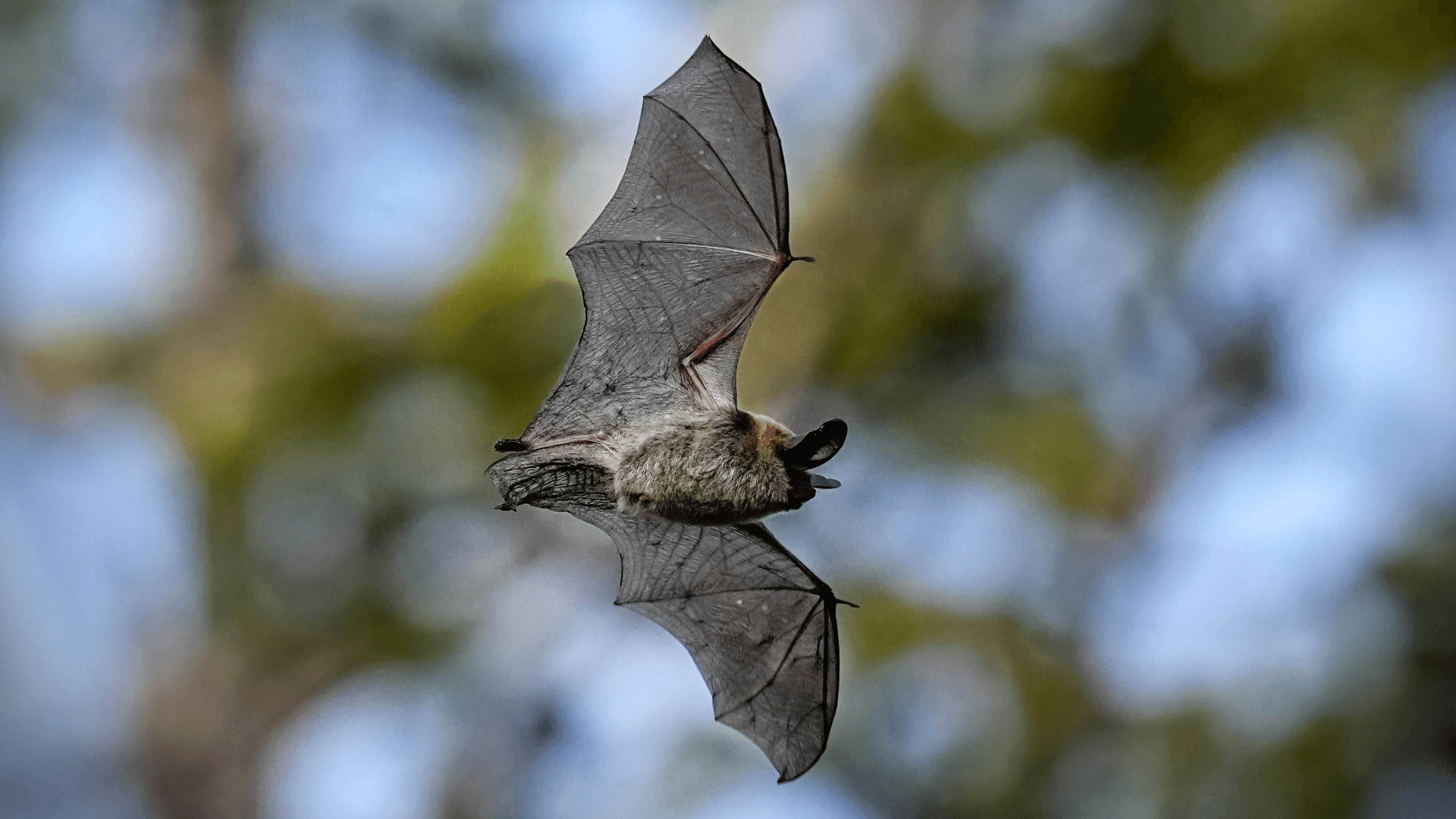
That doesn't mean a homeowner should be happy about guano accumulation or the liability that comes with a colony in their home, but it does show homeowners that the situation — while annoying — isn't an emergency. By handling it a bat colony the right way and on the right timeline, you’re likely to get a better outcome than you will when trying to force it.
For homeowners, sit tight and book your spot on the schedule. For wildlife professionals, late summer will be here before they know it.
