Oct 27, 2026
Share:
Subscribe now and get our latest blog and video content delivered straight to your inbox.
Oct 27, 2026
Editor’s note: This article originally appeared in Pest Control Technology’s September 2026 issue under the headline “How Assessments Drive Success.” It is reposted here on our Learning Center with the author’s permission. Before the article, Daine shares a few words with us about his career and approach.
From the Author
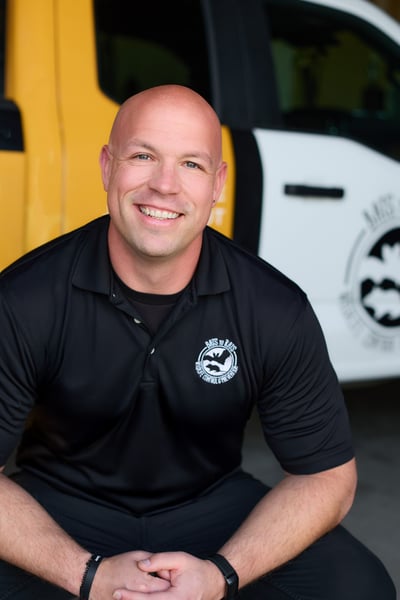
I’ve been involved in the pest/wildlife control industry since 2007. In 2015, I founded Bats to Rats Wildlife Control and Prevention with the goal of providing homeowners and businesses with effective, long-term solutions to nuisance wildlife problems. What started as a one-man operation has grown into a team serving customers throughout Nebraska, with a strong focus on humane exclusion, prevention and raising the standards of our industry.
Over the years, I’ve had the opportunity to become more involved in the industry through organizations like the National Wildlife Control Operators Association (NWCOA) and the National Pest Management Association (NPMA). I’ve also been fortunate to speak at national industry conferences, contribute to professional publications and share what I’ve learned about wildlife management, business growth and leadership. Our company has been recognized with the Better Business Bureau’s Torch Award for Ethics and Spark Award, and was also voted Best Pest Control Company in Lincoln.
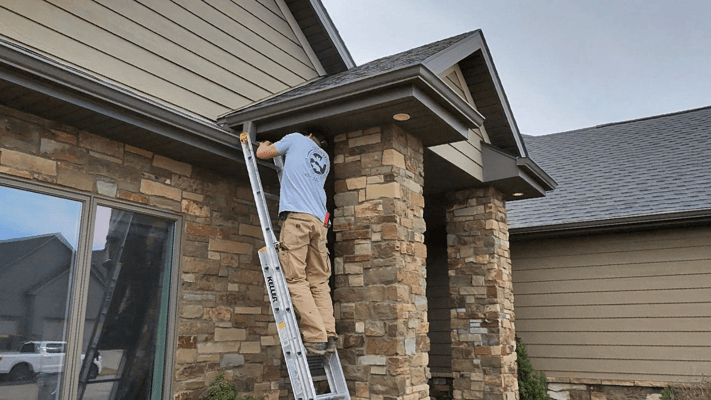
One of the biggest changes I’ve seen throughout my career is the evolution of exclusion materials and the quality of products available to wildlife professionals. We’ve moved away from many of the basic materials we used years ago and now focus on durable, professional-grade solutions that provide lasting protection while maintaining the appearance of our customers’ homes. HY-C’s HY-GUARD EXCLUSION products have become part of that approach for the last 10 years, helping us address common wildlife entry points with purpose-built solutions. I’ve always believed that doing the job right the first time starts with a thorough inspection, proper training and using quality materials that we can confidently stand behind.
The original article follows.
How Assessments Drive Success
A proper wildlife job doesn’t start with tools; it starts with a thorough inspection. Miss something during the inspection, and it doesn’t matter how good your materials are or how clean your installation looks — the problem will return.
When we perform an inspection, we start at one corner of the house and work completely around the structure until we return to that same point. We always work from the bottom up.
Low and High
At ground level, we look for gaps, cracks or crevices (about the size of a dime or larger) that could allow entry for rodents or bats. Anything bigger becomes a concern for other nuisance wildlife as well. We pay close attention to areas like abutments, wall penetrations and all types of vents. These are common problem areas, but they’re also easy to overlook without an intentional approach.
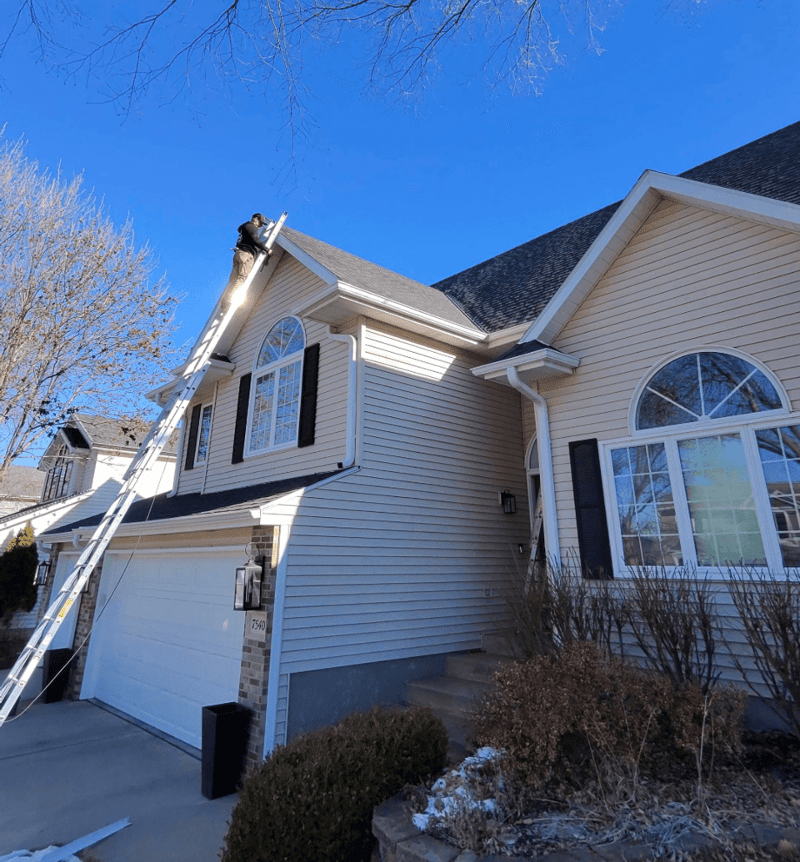
Once we’ve covered the lower portion, we bring out ladders and move higher. From there, we assess the roofline, taking a detailed look at dormers, soffit returns, gable vents, roof vents and any roof penetrations. We also evaluate construction gaps, gutter lines, soffits and fascia. Anywhere building materials meet or change is a potential entry point, and those transitions require close inspection.
Over time, it becomes clear that some of the most common entry points are also the easiest to miss.
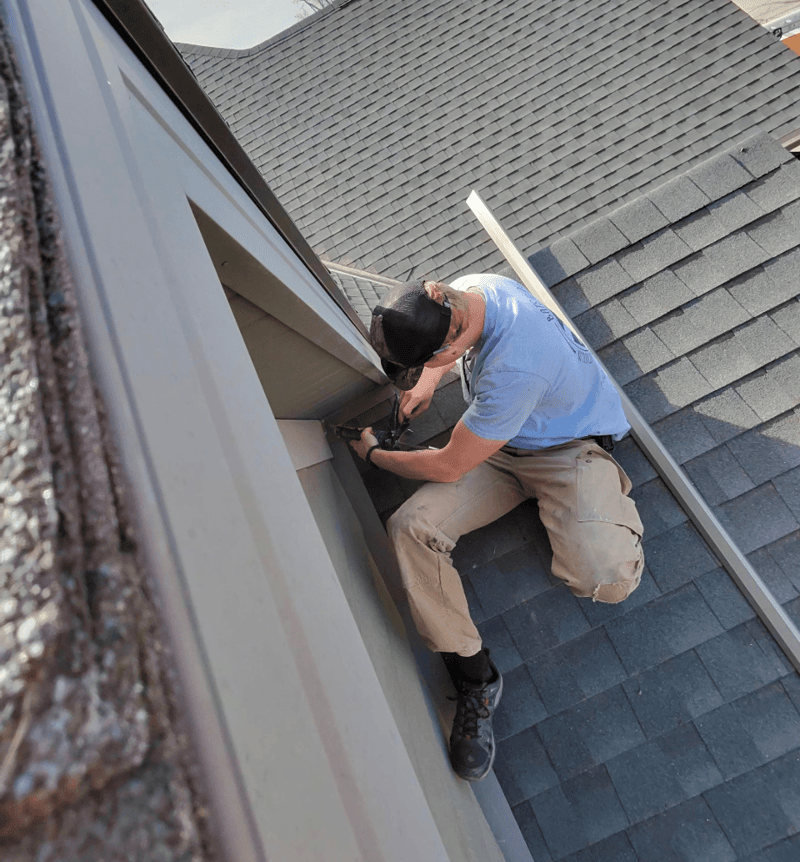
One of the most overlooked areas is beneath the drip edge where gutters are installed. A construction gap often exists behind the gutters, tucked under the drip edge, and it’s easy to miss during a typical inspection. Identifying it often requires getting up close and, in many cases, using a mirror to see underneath.
Roof vents are another frequent issue. From the ground, they may appear intact, but a closer look can reveal gaps or wear that create entry points. Ridge vents present similar risks. As they age, they can warp or become uneven, opening access for wildlife.
These are the details that separate a cursory check from a professional inspection.
Once problem areas are identified, the next step is proper exclusion — and this is where many operators fall short.
Tools of the Trade
We focus on selecting the right materials for each structure rather than relying on a one-size-fits-all approach. Much of our work involves custom metal fabrication because every building is different, and those differences matter when creating a long-term solution.
We also use high-quality products from quality suppliers who provide reliable options for vent covers, ridge vent protection, gable vents and other critical components. Proven, durable products are essential, especially when backing work with a warranty.
For sealing up gaps, we rely on high-grade polyurethane sealants that remain flexible over time. Materials must expand and contract with the structure without cracking or becoming brittle. Appearance also matters, so we use products that blend well to maintain a clean, professional finish.
The difference between a lasting solution and a temporary fix comes down to material quality and attention to detail. Cut corners on either, and the problem will return.
Mistakes to Avoid
Two common mistakes continue to undermine results across the industry.
First is the use of low-quality materials. Spray foam, chicken wire and low-grade silicone may seem like quick fixes, but they will fail over time — and often make problems worse. Effective exclusion requires materials specifically designed for the job.
Second is rushing the inspection process. Finding one obvious gap doesn’t mean the problem is solved. Wildlife rarely relies on a single entry point. Without a full structural inspection, missed access points lead directly to callbacks.
The Right Approach
The right approach is straightforward but requires discipline: slow down, follow a system and assume every structure has multiple vulnerabilities. Pair a thorough inspection with proper materials and installation, and you deliver results that last.