

Nov 25, 2026
Share:
Subscribe now and get our latest blog and video content delivered straight to your inbox.
Nov 25, 2026
TL;DR (quick answer)
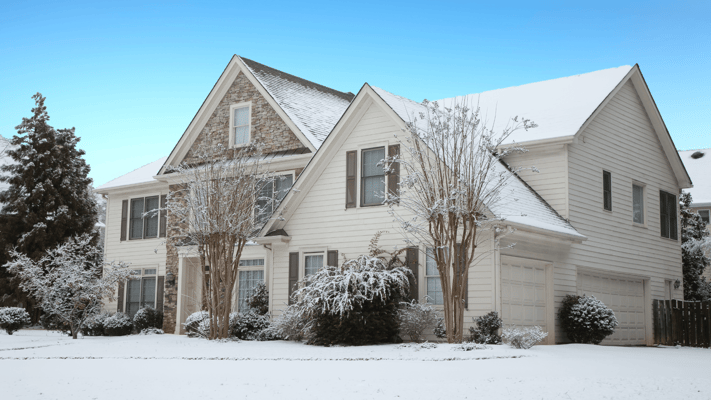
Winterizing your home means preparing it for cold weather so it stays warm, holds heat, and costs less to heat. The core steps: Protect outdoor pipes, seal drafts, insulate, lower your water heater and thermostat settings, use the sun and your ceiling fans, maintain your HVAC system, and check for energy rebates. Small fixes add up, and some sources estimate savings of up to 30% on your energy bill.
Key takeaways
- Heating costs are rising: NEADA projects the average U.S. household will spend $1,030 this winter, up $82 (8.7%) from last year.
- Most tasks are quick and low-cost: You can finish most of them in a weekend.
- Air leaks are the biggest "money out the window" culprit: Doors, windows, attics, and unused fireplaces all count.
- Check for rebates first: Federal, state, and utility programs can offset what you spend.
Why winterizing matters this year
Heating bills are heading the wrong way. The National Energy Assistance Directors Association (NEADA) projects that U.S. households will spend an average of $1,030 to heat their homes this winter. That's an increase of $82, or 8.7%, over last year. And, to put it in perspective, it’s also more than 2.5 times the rate of inflation.
The good news: You have more control than you think. A few weekend tweaks can keep warm air in, cold air out, and money in your pocket.
What is winterizing?
Winterizing is the process of preparing your home, plumbing, and heating systems for cold weather. The goals are to prevent damage (like frozen pipes), stop heat loss (like drafts and poor insulation), and help your heating system run efficiently so you spend less to stay comfortable.

Pipe and plumbing protection
☐ Turn off the water supply to outdoor faucets
Why it matters: Frozen pipes can burst and cause costly water damage, so start outside and then look for a shutoff valve inside the home.
☐ Drain the remaining water from each outdoor faucet
Why it matters: Any water left in the line can freeze, expand, and crack the pipe.
☐ Disconnect and store garden hoses
Why it matters: A hose left attached traps water in the spigot and can lead to a freeze-up.
☐ Monitor exposed pipes in basements, crawl spaces, and garages
Why it matters: Pipes in unheated areas are the first to freeze. Pay extra attention to pipes along exterior walls. While you're in the crawl space, make sure foundation vents are protected so animals can't move in for the winter.
Drafts, doors, and fireplace openings
☐ Install or replace weatherstripping around all exterior doors
Why it matters: Air leaks make your furnace work harder, and sealing them is one of the most cost-effective upgrades you can make.
☐ Make sure windows close and latch tightly
Why it matters: A window that doesn't latch fully leaves a gap you can't see, but your heating bill can.
☐ Seal visible cracks and gaps
Why it matters: Small gaps around trim, vents, and wall penetrations add up to a lot of lost heat. They're also easy entry points for mice, squirrels, and other critters looking for a warm place to spend the winter.
☐ Close your fireplace damper completely if you're not using the fireplace
Why it matters: An open damper is like leaving a window cracked all winter. Not sure how yours works? Our chimney damper guide covers it.
☐ Check that your chimney cap is in good shape
Why it matters: A properly fitted chimney cap helps keep out rain, debris, and animals, and works alongside a closed damper. We recommend getting yours inspected by a certified chimney sweep. Even if you never use your fireplace, weather and wildlife can still get in, so an unused chimney needs a cap too.
Insulation and temperature settings
☐ Measure the depth of your attic insulation and compare it to the recommendation for your climate zone
Why it matters: Most homes don't have adequate insulation, and warm air escaping through the roof is a major source of heat loss. See the U.S. Department of Energy's guidance for your zone.
☐ Add insulation if it's thin, uneven, or compressed
Why it matters: Gaps and compressed spots let heat escape even when the rest of the attic looks fine. Just be sure that integral ventilation points aren’t being blocked.
☐ Set your water heater to 120°F
Why it matters: It's a free, 10-minute change that cuts the energy spent heating water you don't need that hot.
☐ Set your thermostat to 68°F while you're home and awake, and lower it when you're asleep or away
Why it matters: The U.S. Department of Energy says you can save on heating costs for every degree you turn your thermostat back. Can't tolerate 68°F? Go as low as is comfortable, then layer up with sweaters, slippers, and blankets.
Sunlight and airflow
☐ Open south-facing blinds and curtains on sunny days, and close them at night
Why it matters: Sunny windows bring in free solar heat by day, and closed curtains add a layer of insulation against cold glass at night.
☐ Switch ceiling fans to run clockwise at a low speed
Why it matters: This pushes warm air trapped near the ceiling back down into your living space.
Heating system and dryer vent care
☐ Clear vents of furniture, rugs, and dust
Why it matters: Blocked vents keep warm air from reaching the room.
☐ Clean your dryer vent and lint trap
Why it matters: Lint buildup is a fire hazard and hurts efficiency. Use tools like the LintEater and LintEater Pro between professional dryer vent cleanings.
☐ Check the cover on your exterior dryer vent
Why it matters: Birds and rodents look for warm places to nest in winter, and a nest in your dryer vent traps lint and raises your fire risk. A sturdy dryer vent cover keeps critters out while letting air flow freely.
Rebates and energy assistance
☐ Browse the U.S. Department of Energy's Energy Saver Guide for rebates and tax incentives
Why it matters: Money back on insulation, sealing, and equipment upgrades makes every other item on this list cheaper.
☐ Contact your local utility about efficiency programs
Why it matters: Many utilities offer rebates or free energy audits that aren't widely advertised.
☐ Look into energy assistance programs if heating costs are straining your budget
Why it matters: Help is available, and it's worth checking before a bill becomes a problem.
Winterizing FAQs
How do you keep pipes from freezing in winter?
Shut off and drain outdoor faucets, disconnect garden hoses, and wrap exposed pipes in unheated areas like crawl spaces and garages with foam insulation. During a hard freeze, keep your heat at 55°F or higher, even when you're away, and open cabinet doors under sinks on exterior walls.
When should you winterize your home?
Before temperatures consistently drop near freezing, typically in early to mid-fall. It's not too late if winter has started: sealing drafts and adjusting settings still saves money right away.
How much can winterizing save on energy bills?
Savings vary by home, but some estimates suggest a combination of small changes can cut energy costs by up to 30%.
What is the best temperature to set your thermostat in winter?
The Department of Energy suggests 68°F when you're home and awake, with lower settings when you're asleep or away.
Which way should ceiling fans spin in winter?
Clockwise, at a low speed, to circulate warm air from the ceiling back down.
Winterize your home today
Winterizing isn't one big project. It's a handful of small ones that add up. Work through this checklist, and you'll protect your home, shrink your heating bill, and stay cozy when temperatures drop.
Loved this guide? Either save it online or print it out and keep a physical copy handy for your next winterizing walk around the house.
