

Apr 22, 2026
Share:
Subscribe now and get our latest blog and video content delivered straight to your inbox.
Apr 22, 2026
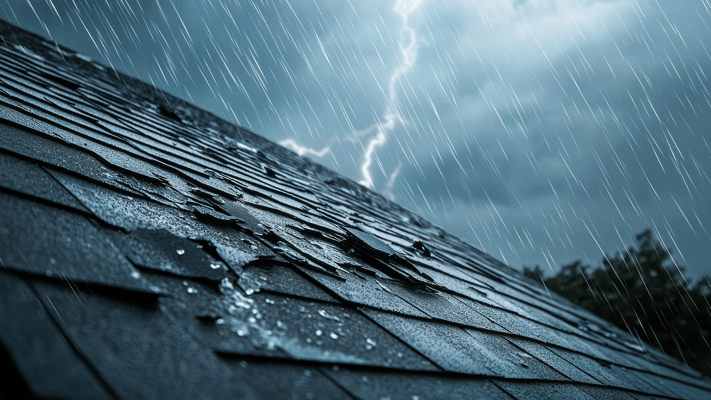
TL;DR: Spring storms expose roof and chimney vulnerabilities through wind-driven rain, pressure changes, flying debris, and freeze-thaw cycles. Homeowners should inspect chimney caps, flashing, crowns, and masonry, plus secure shingles, clean gutters, and check vents/seals, while watching for warning signs like water stains, rust, or musty odors that signal a professional inspection is needed.
Spring storms and tornado season can expose the weakest points in your home, especially your roof, chimney, and ventilation system.
In our home state of Missouri (and across the Midwest), homeowners regularly face:
- Wind and hail storms
- Severe thunderstorms
- Tornadoes
- Torrential rainfall and flash flooding
- Rapid temperature shifts
While weather risks vary by region (including hurricanes, snow, and ice storms), one thing remains consistent: Severe weather is becoming more unpredictable, and your home needs to be ready.

A roof system that isn’t prepared for storms is vulnerable to:
- Leaks and water intrusion
- Structural damage
- Ventilation issues
- Costly repairs or even full roof replacement
Preparing your roof and chimney for spring storms now is one of the most effective ways to prevent expensive damage later.
Why spring storms damage roofs and chimneys
Storm season hits your home and targets its weakest points.
Wind-driven rain
Strong winds can push rain under shingles, flashing, and chimney gaps, leading to hidden leaks.
Pressure changes
Severe storms and tornadoes create pressure differences that can loosen roofing materials and expose openings.
Flying debris
Branches and debris can crack chimney crowns, dent caps, and tear shingles.
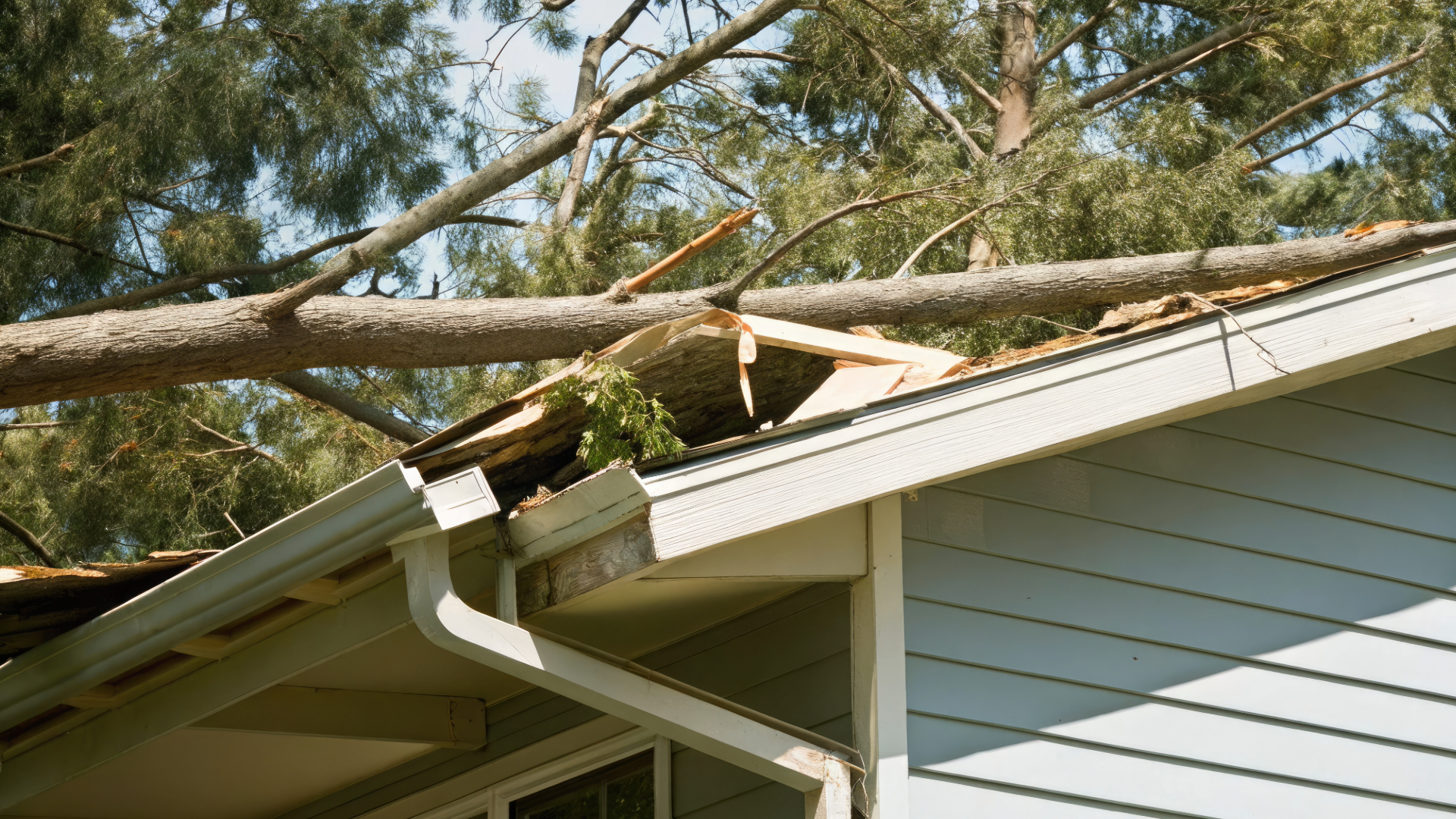
Freeze-thaw damage
Rapid temperature swings cause materials to expand and contract, worsening small cracks over time.
These conditions make roof penetrations — such as chimneys and vents — especially vulnerable to water intrusion and storm damage.
Chimney storm prep checklist
If you want to prevent chimney leaks during heavy rain and storms, start here:
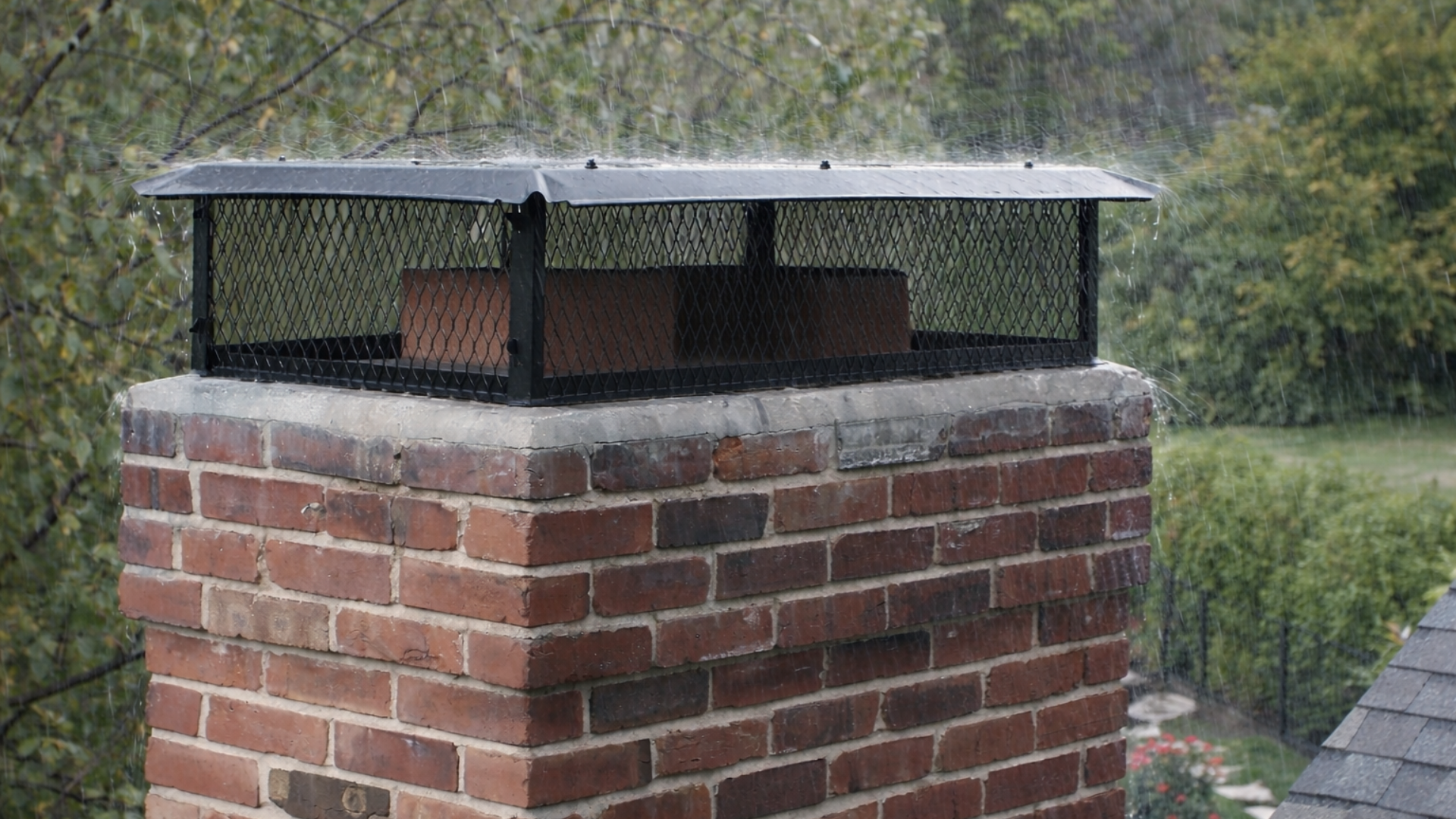
✔ Install or inspect a chimney cap
A properly fitted chimney cap:
- Keeps rain out of the flue
- Blocks debris and animals
- Reduces downdrafts during high winds
If you haven’t already, upgrading to a stainless steel cap is one of the most effective ways to prevent water intrusion.
✔ Check chimney flashing
Flashing is the waterproof barrier that seals the gap between your chimney and roof. Keep an eye out for:
- Rust or corrosion
- Loose edges
- Cracked sealant
Damaged flashing is one of the most common causes of chimney leaks during storms.
✔ Inspect the chimney crown
The crown, or the top concrete surface on your chimney, should:
- Be free of cracks
- Properly slope to shed water
Even small cracks in the crown can allow water in during heavy rain. You can use a premixed, water-based coating to waterproof and repair chimney crowns.
✔ Look for masonry damage
Masonry damage can appear as:
- Cracked or missing mortar
- Spalling (flaking bricks)
These issues worsen quickly with repeated exposure to severe weather.
How to storm-proof your roof and chimney
Your chimney is only as strong as the roofing system around it. To fully prepare your roof for storms:
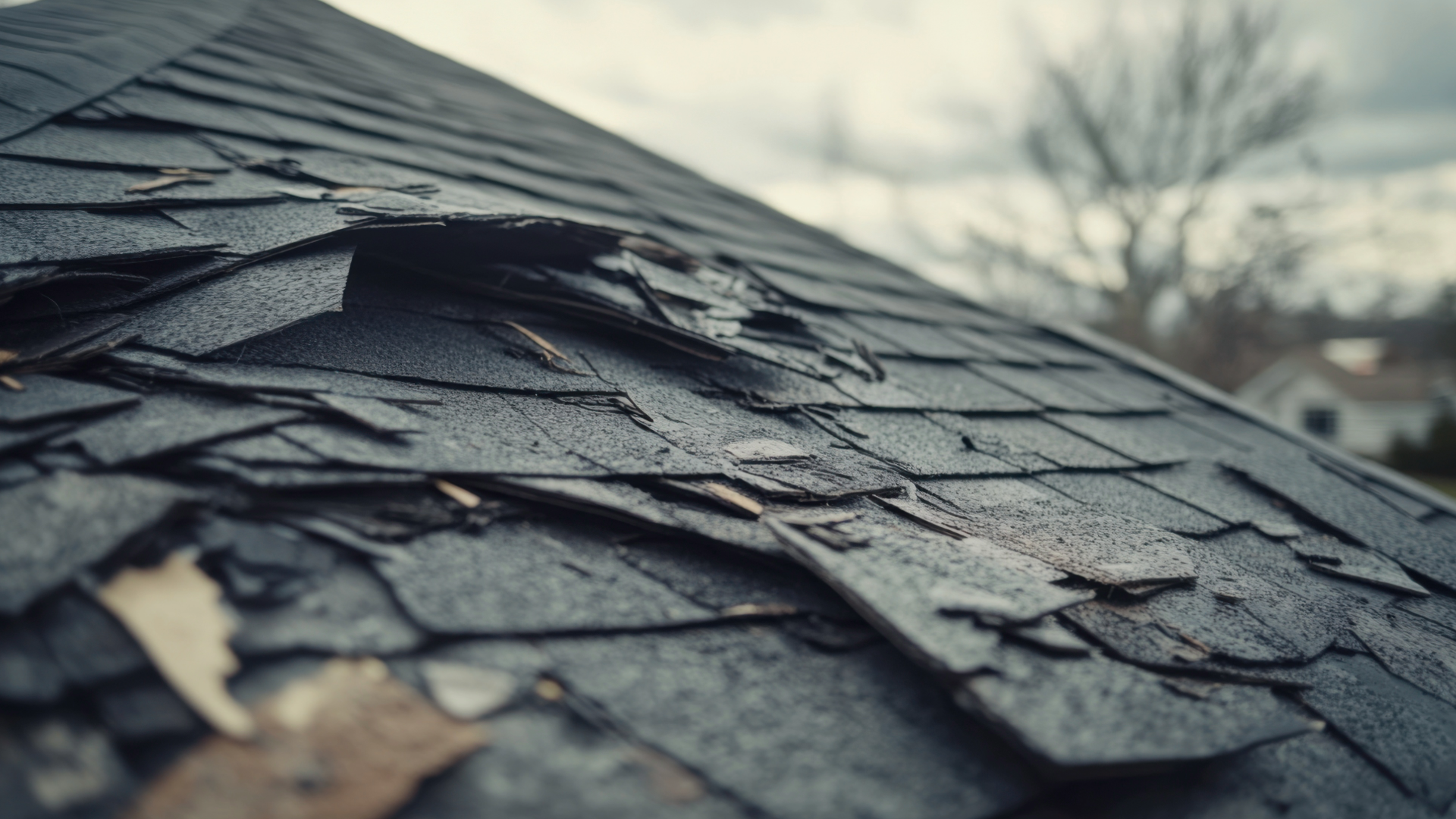
✔ Secure or replace damaged shingles
Loose or missing shingles create entry points for water.
✔ Clean and maintain gutters
Clogged gutters cause water to pool and back up onto the roof during heavy rain.
✔ Inspect roof vents and penetrations
Vents should be:
- Properly sealed
- Shielded by protective covers
Unprotected vents can allow water intrusion just like an uncapped chimney.
✔ Trim nearby trees
Overhanging branches are a major risk during storms and high winds.
Signs your roof isn’t ready for a storm
Not sure if your home is storm-ready? Look for these warning signs:
- Water stains on ceilings or walls
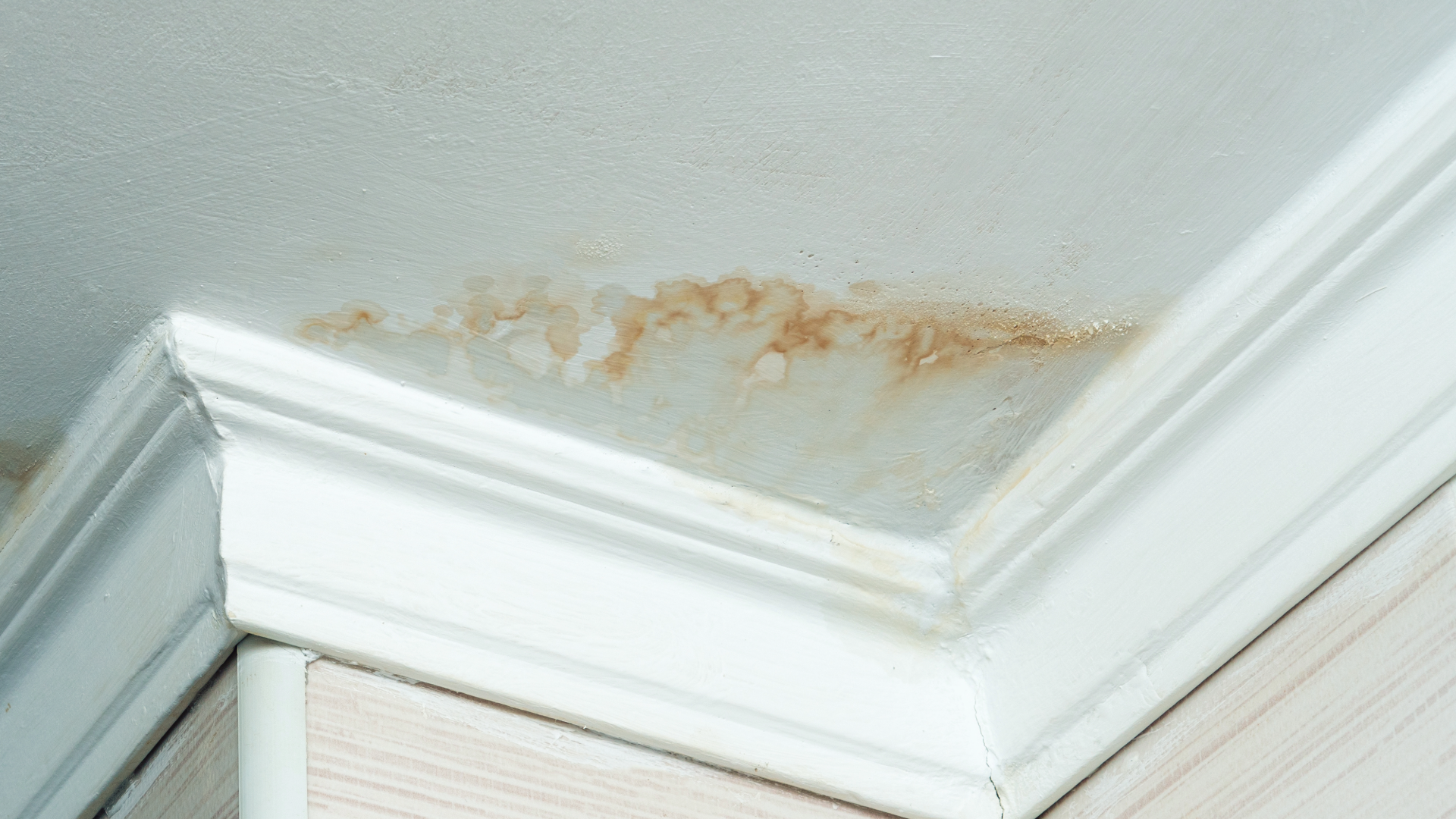
- Musty odors after rain
- Rust on chimney components
- Dripping sounds inside the chimney
- Missing shingles or visible roof damage
These are often early indicators of roof or chimney leaks caused by storm damage.
When to call a roofing professional
Some issues aren’t visible from the ground. Consider a professional inspection if:
- Your home is older
- You’ve experienced recent severe weather
- You notice any signs of leaks or damage
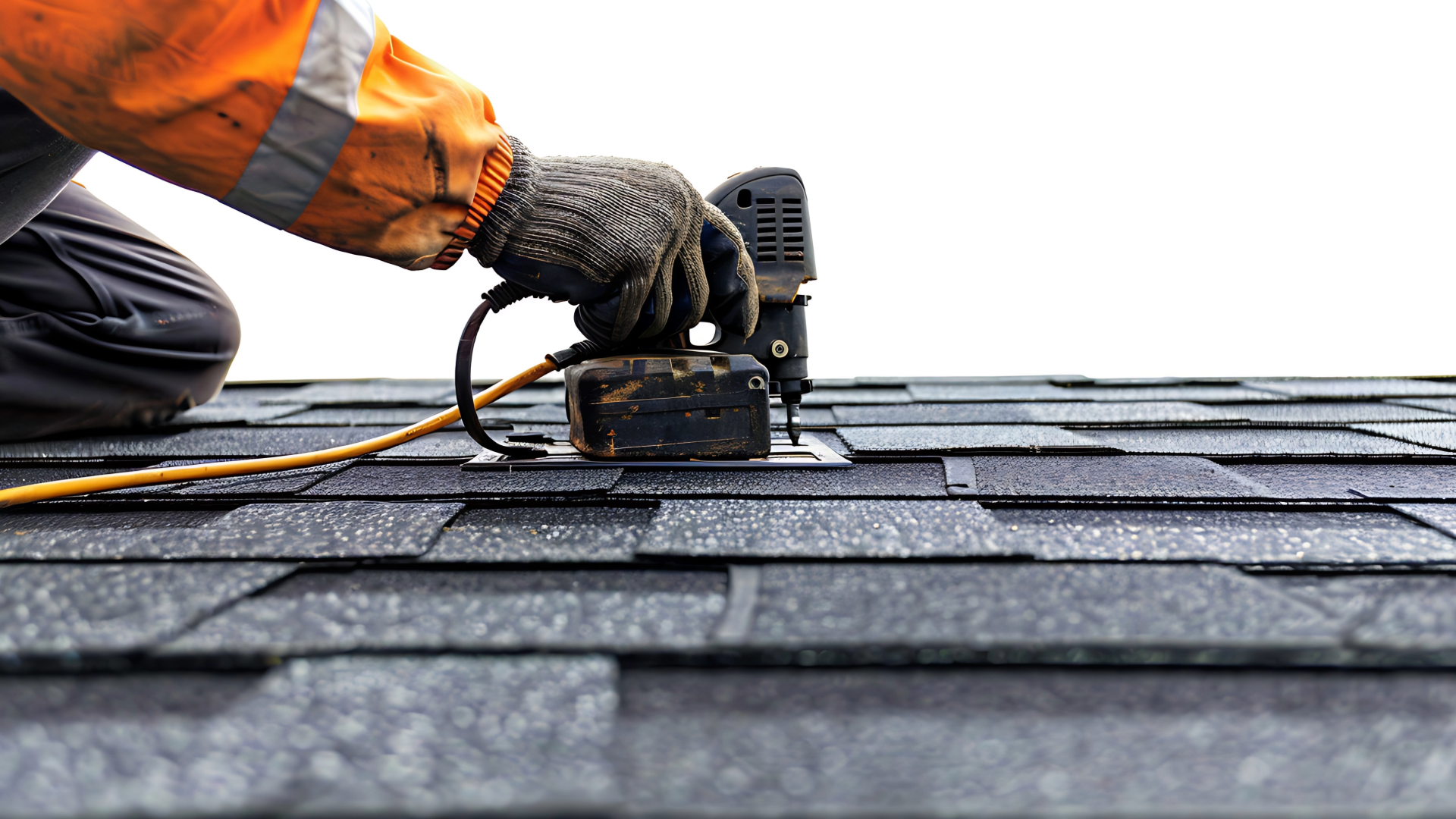
A professional can identify hidden issues and help you prepare your roof for future storms.
Protect your home before the next storm
Before the next round of severe weather hits:
- Review your insurance coverage
- Take photos of your roof and chimney (for claims documentation)
- Address small issues before they become major repairs
- Have an emergency plan in place
Spring storms don’t just test your home — they reveal its vulnerabilities. By taking the time to prepare your roof, chimney, and ventilation systems, you can:
- Prevent costly water damage
- Extend the life of your roof
- Protect your home during extreme weather
Because when the next storm rolls in, the goal shouldn’t be just to get through it. It’s to come out with minimal damage and maximum peace of mind.