
Apr 8, 2026
Share:
Subscribe now and get our latest blog and video content delivered straight to your inbox.
Apr 8, 2026
TL;DR: Rain can cause serious chimney damage — masonry erosion, rust, liner deterioration, mold, and even health/fire hazards — so a properly fitted cap is essential, with stainless steel offering the best overall durability/cost balance, copper the premium long-term option (50+ years), and galvanized steel a budget-friendly choice (15-25 years). Key features to prioritize include rust-resistant materials, drip-edge design, and mesh screening to keep out debris and animals.
April showers bring May flowers… and leaky chimneys?
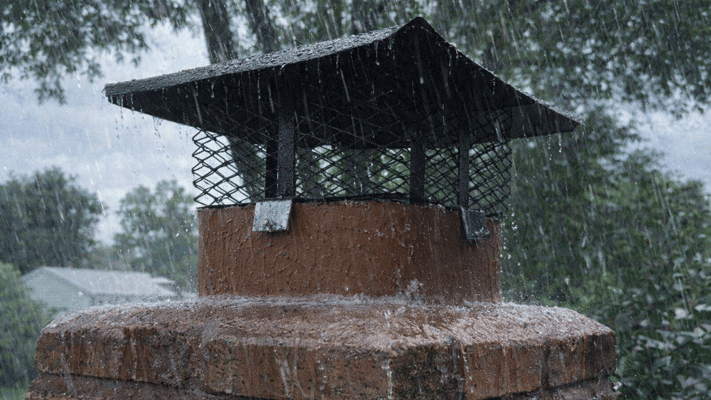
In a perfect world, your chimney cap acts as a shield, keeping rain out of your flue and your living room nice and dry. That said, heavy spring rains can expose or create weak points in your chimney system. From hidden leaks to rust and mold, water intrusion is one of the biggest threats to chimney (and home) safety and longevity.
Whether you’re dealing with frequent rain or just want to prevent costly repairs, choosing the best chimney cap for rain is essential.
What Does Rain Do to a Chimney?
Spring weather can reveal some serious chimney issues.
1. Exposes hidden leaks
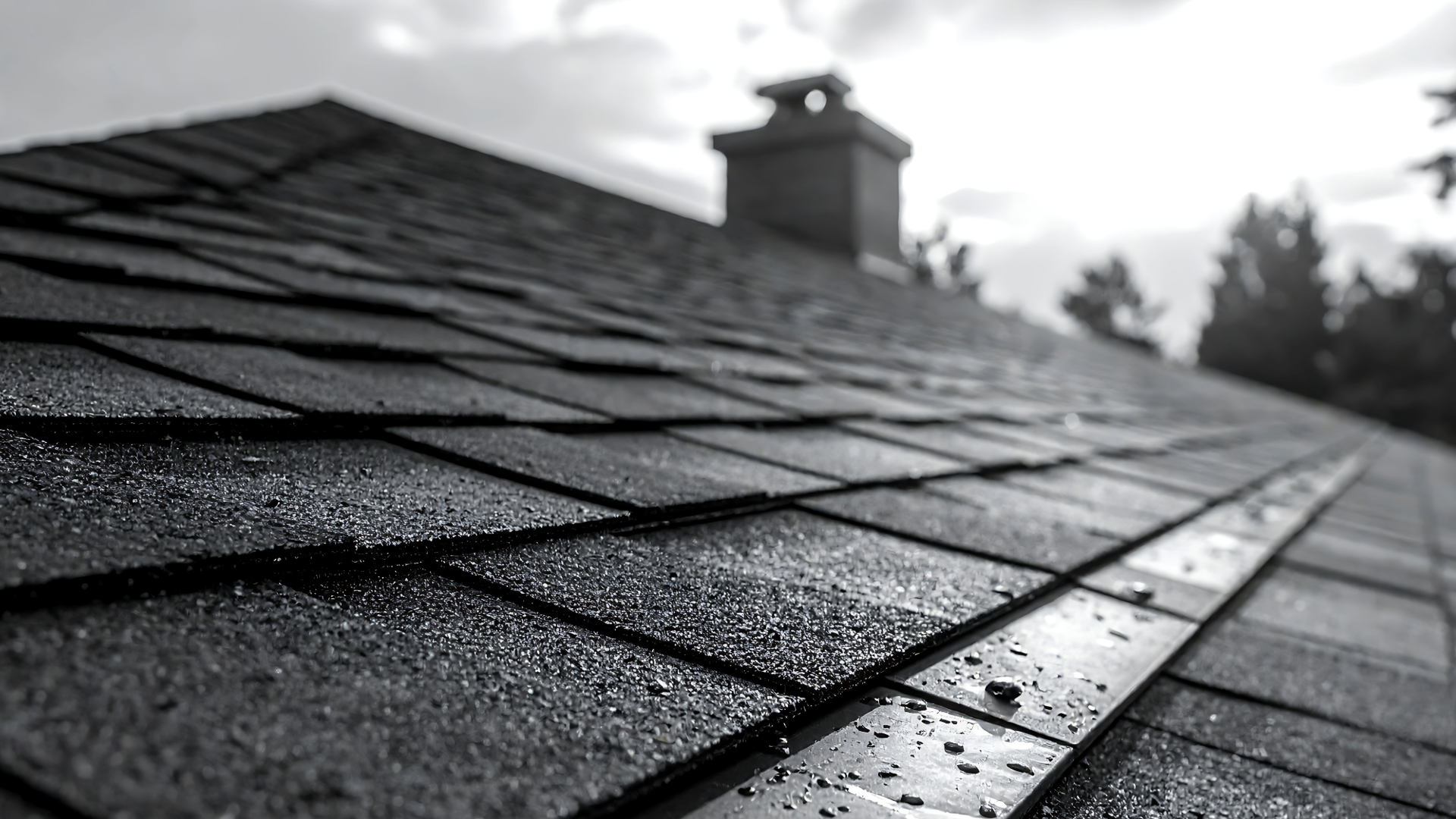
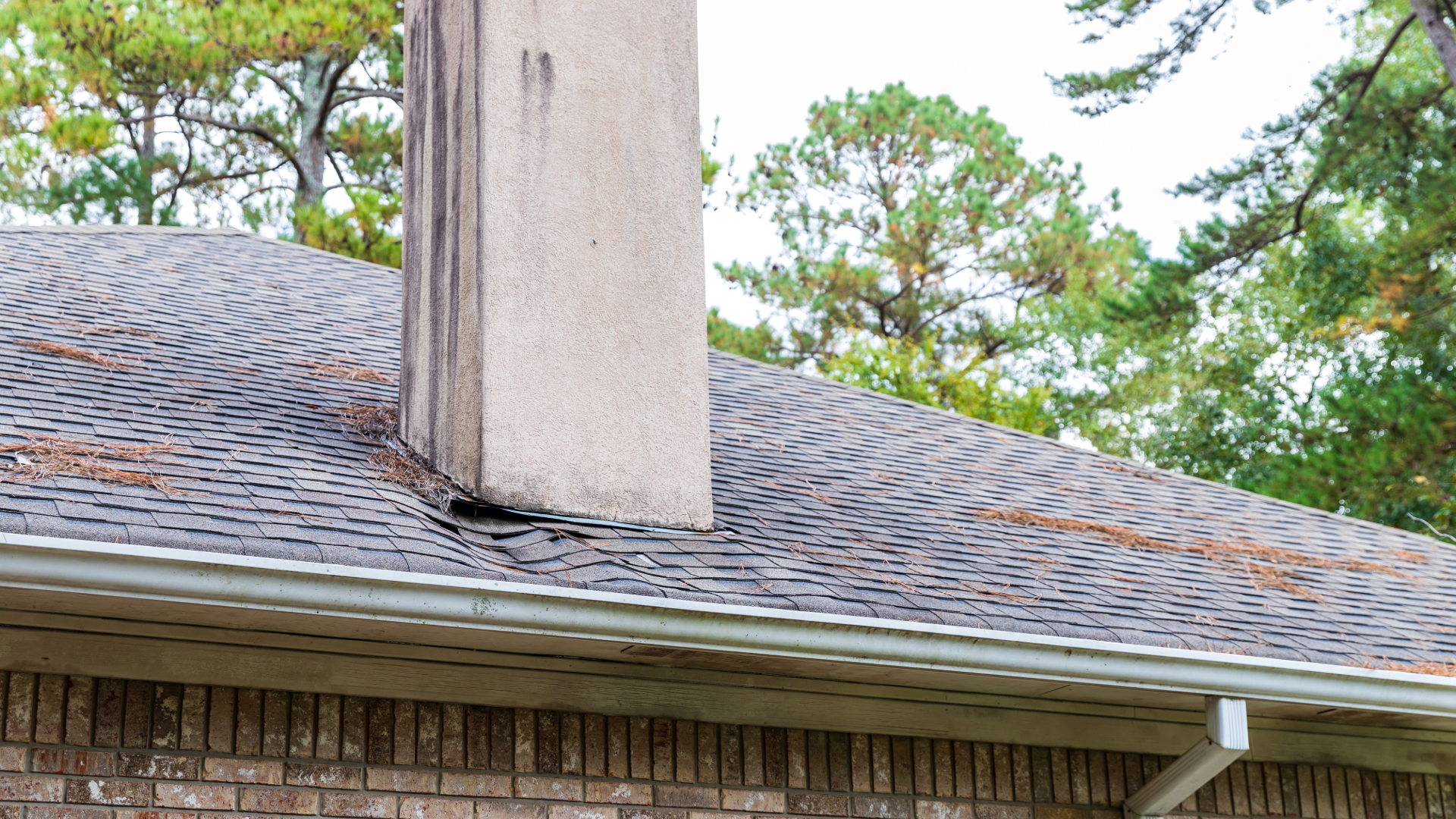
Heavy rain can uncover problems like cracked chimney crowns or damaged flashing that went unnoticed during winter.
2. Causes interior water damage
Without a chimney cap (or with a dysfunctional one), rainwater flows directly into the flue, damaging the:
- Firebox
- Damper
- Interior masonry
3. Leads to musty odors
Moisture from rain mixes with soot and creosote, creating damp, unpleasant smells and even mold growth.
4. Attracts animals
Pests and wildlife are also looking for a way to stay dry in spring weather. A cap without mesh means that animals can come and go from your chimney as they please.

5. Reveals cap failure
Rust stains or visible corrosion on your chimney’s exterior may indicate your current cap is failing.
Do You Need a Chimney Cap to Prevent Water Damage?
When rain gets into your chimney, the damage can escalate quickly — just like the associated costs. If you’re opting out of a chimney cap or if your cap isn’t functioning properly, it’s important to recognize the risks.
Masonry damage
- Water penetrates brick and mortar
- Freeze-thaw cycles cause cracking and spalling (moisture-based erosion of brick)
Rust and corrosion
- Dampers and metal components may seize or fail
Flue liner deterioration
- Clay liners crack
- Metal liners corrode
- Increased risk of gas leaks
Mold and odors
- Persistent moisture leads to mildew and indoor air quality issues
Interior damage
- Leaks originating from the chimney can seep into ceilings, walls, and flooring
Health and safety hazards
Water-damaged chimneys are both a maintenance issue and safety risk.
- Damaged liners and excess creosote increase fire risk
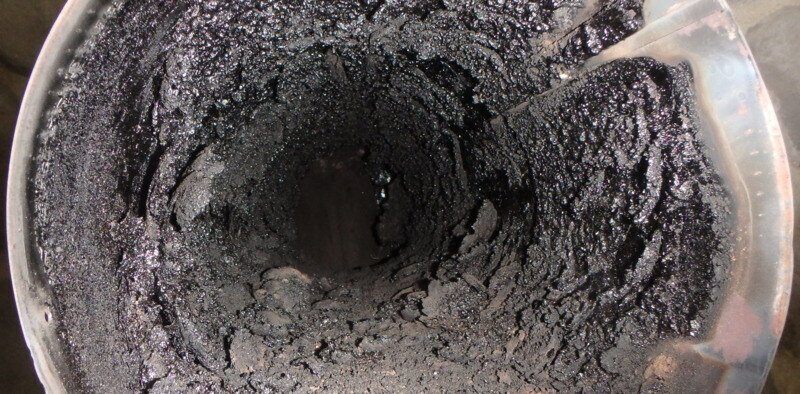
- Cracked liners can allow toxic gases like carbon monoxide into your home
Best Chimney Caps for Rain
Not all chimney caps are created equal, and when it comes to handling heavy rain, certain materials perform better.
Top chimney caps to prevent water damage:
Best overall: Stainless steel chimney cap
- Rust-resistant and long-lasting
- Often backed by lifetime warranties
- Best balance of durability and cost
Best premium option: Copper chimney cap
- Extremely durable (50 or more years)
- Naturally corrosion-resistant
- Develops a protective patina over time
Best budget option: Galvanized steel cap
- More affordable upfront
- Can last 15 to 25 years
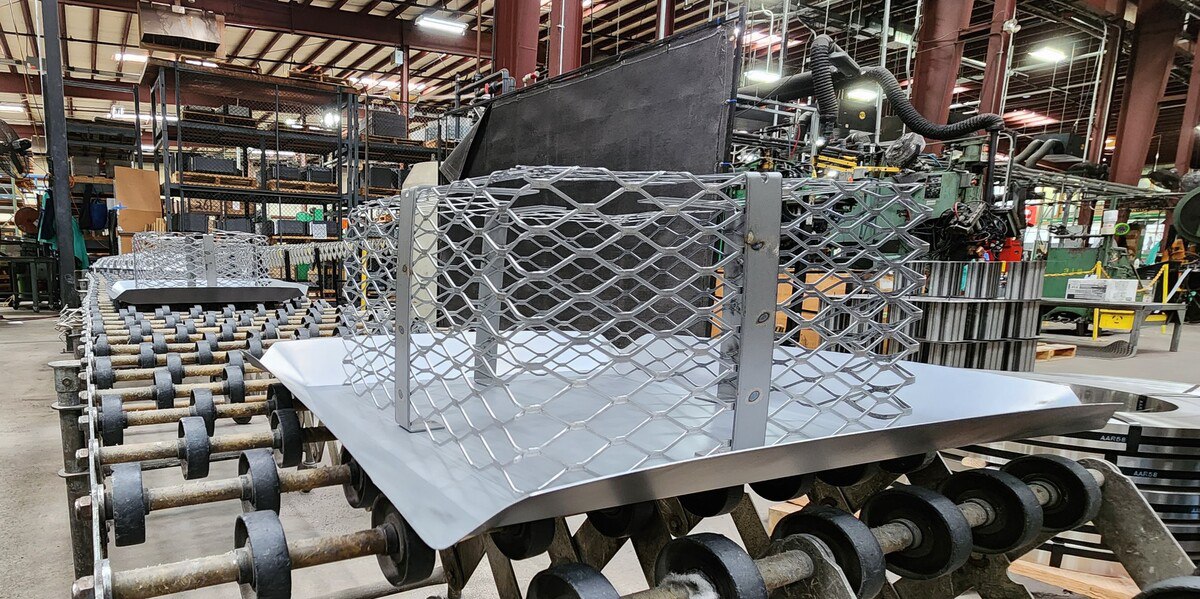
At HY-C, our Draft King® and Shelter® brands have proudly manufactured chimney caps in the USA for nearly 80 years. You can explore our selection of caps to help keep rain out of your chimney.
Discover Draft King and Shelter Chimney Caps
Key Features That Keep Rain Out of Chimneys
When choosing the best chimney cap for rain, prioritize these features:
- Material: As mentioned, stainless steel is the top choice for durability and corrosion resistance, while copper offers premium longevity
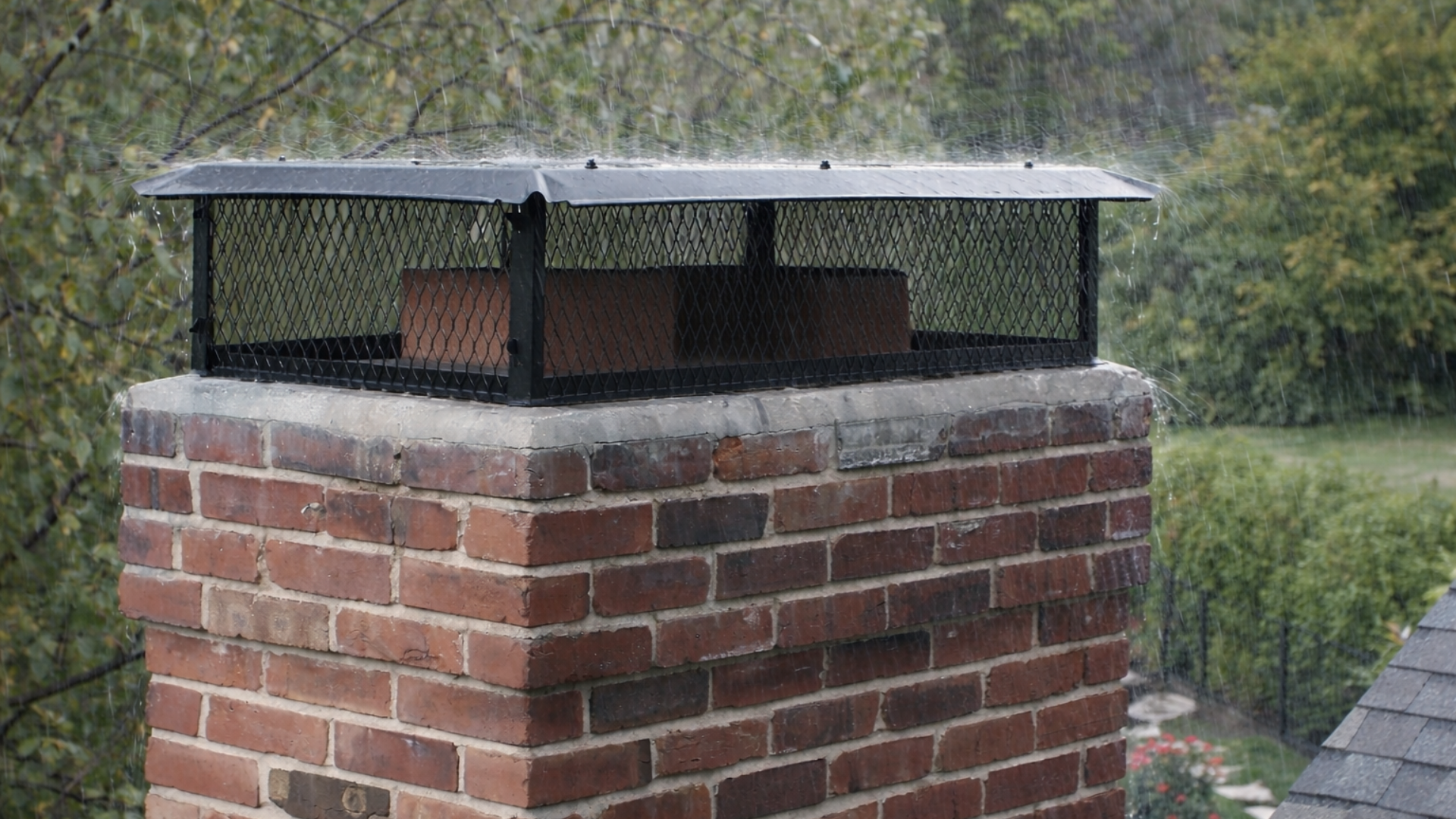
- Design: Scalloped corners and turn-down drip edges on the hood, used on many of our caps, allow for proper rain runoff
- Mesh screening: Keeps out rain as well as debris, animals, and sparks
- Proper fit: The cap must match your flue size, and secure mounting prevents gaps where water can enter
These features ensure your chimney is prepared for spring weather, helping avoid a leaky chimney and the problems that accompany.
What You Can Do Right Now
There are a few steps you can take to make sure your chimney is in the best possible shape to take on the rain this spring.
Inspect your chimney
Keep an eye out for:
- Missing or damaged caps
- Rust or corrosion
- Visible water stains
If unsure, consider hiring a chimney professional for a full inspection.
Upgrade your chimney cap
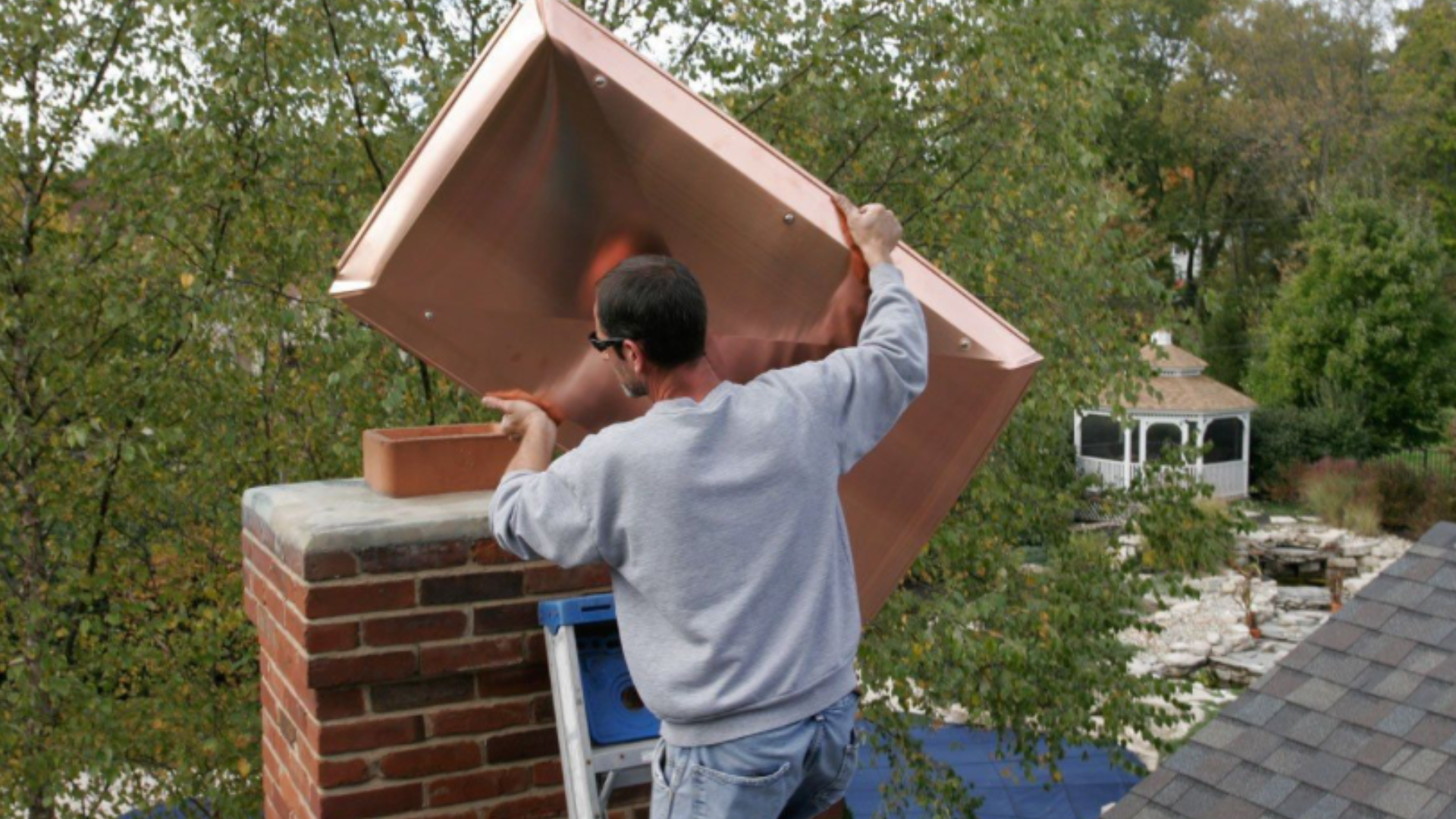
Switching to a stainless steel or copper cap can reduce water intrusion and extend chimney life. It’s best to buy and install a chimney cap in spring or summer, the burning off-season, though fall is the next best option.
Don’t overlook other leak sources
If water issues persist even after a cap replacement, the problem might also be:
- Chimney flashing
- Masonry deterioration
- Cracked chimney crown
Water is one of the most destructive forces your chimney faces, especially during seasonal transitions. Winter freeze-thaw cycles weaken the structure, and spring rains expose the damage. If left unchecked, even small leaks can turn into expensive repairs.
The good news? A properly fitted, high-quality chimney cap is one of the simplest and most effective ways to protect your home.
Because although April showers bring May flowers, they shouldn’t bring chimney damage.