
Apr 29, 2026
Share:
Subscribe now and get our latest blog and video content delivered straight to your inbox.
Apr 29, 2026
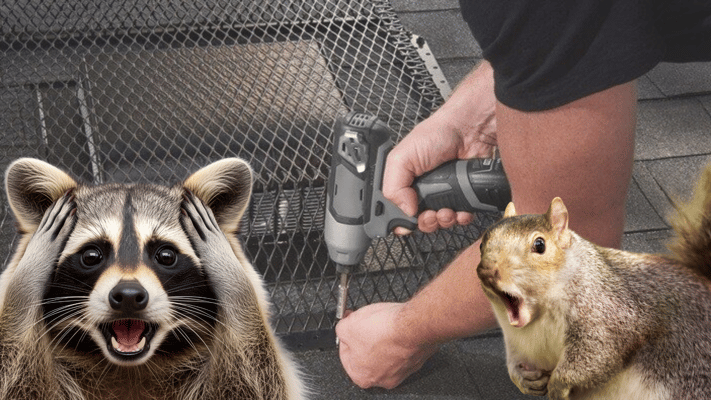
TL;DR: Spring (roughly February through summer) marks peak birthing season for raccoons and squirrels, who target vulnerable roof, gable, and dryer vents to nest and raise young in attics, so homeowners should watch for signs like scratching noises, odors, or vent damage and use heavy-duty vent covers or reinforcement to exclude wildlife... ideally waiting until litters have relocated before sealing entry points to avoid trapping animals inside.
It’s birthing season for raccoons and squirrels, and that means increased activity around your home.
April marks peak raccoon maternity den season, while March through April is a major part of squirrel birthing season. During this time, both animals actively search for safe, warm, and dry places to raise their young.
Unfortunately, that often means your attic or walls.
Roof vents, gable vents, and even dryer vents become prime targets, making spring the peak time for wildlife entering homes through vents.
Keep reading to learn:
- When raccoon and squirrel birthing seasons occur
- Why vents are a top entry point
- Signs animals are already inside
- How to keep squirrels and raccoons out
Birthing season for raccoons and squirrels
Raccoon and squirrel birthing seasons are predictable, but not exact. Most births occur in spring, but timing can shift depending on environmental conditions.
What affects timing:
- Weather
- Food availability
- Shelter quality
Mild winters can lead to earlier activity, while colder, harsher conditions may push birthing later into the year. The availability of secure den sites also plays a role.
Squirrels
Squirrels are especially persistent during breeding season, and homes make it worse.
- First litters can arrive as early as February
- Additional litters often occur May through late summer (August-September)
- In ideal environments, squirrels can have 2-3 litters per year
Why squirrels thrive in homes
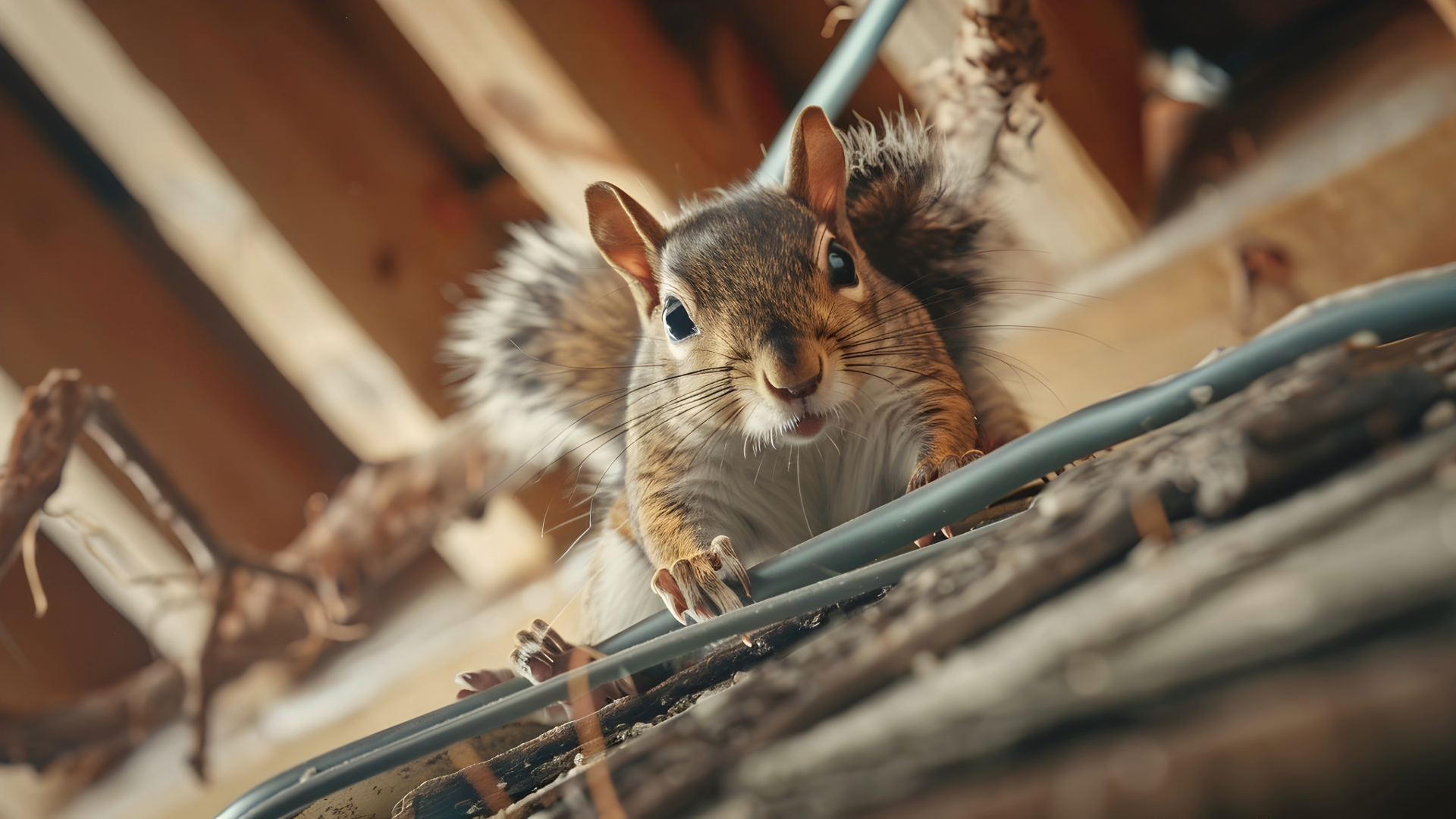
Squirrels reproduce more frequently in attics than in the wild because homes provide:
- No predators
- Consistent warmth
- Easy access to food
This creates the perfect environment for raising young, which is why squirrel infestations often feel constant — breeding and birthing seasons never truly end.
Raccoons
Raccoons follow a slightly more predictable cycle, but there’s still variability. Generally:
- Breeding occurs in winter
- Births typically begin in late winter (February) and continue through spring
- Young (kits) are sometimes found as late as summer (even August)
And while raccoon birthing season follows a relative pattern, it can stretch longer than many homeowners expect.
Why raccoons and squirrels target vents
During birthing season, raccoons and squirrels actively look for secure nesting areas, and homes become a top target. Vents just so happen to provide the perfect entry points.
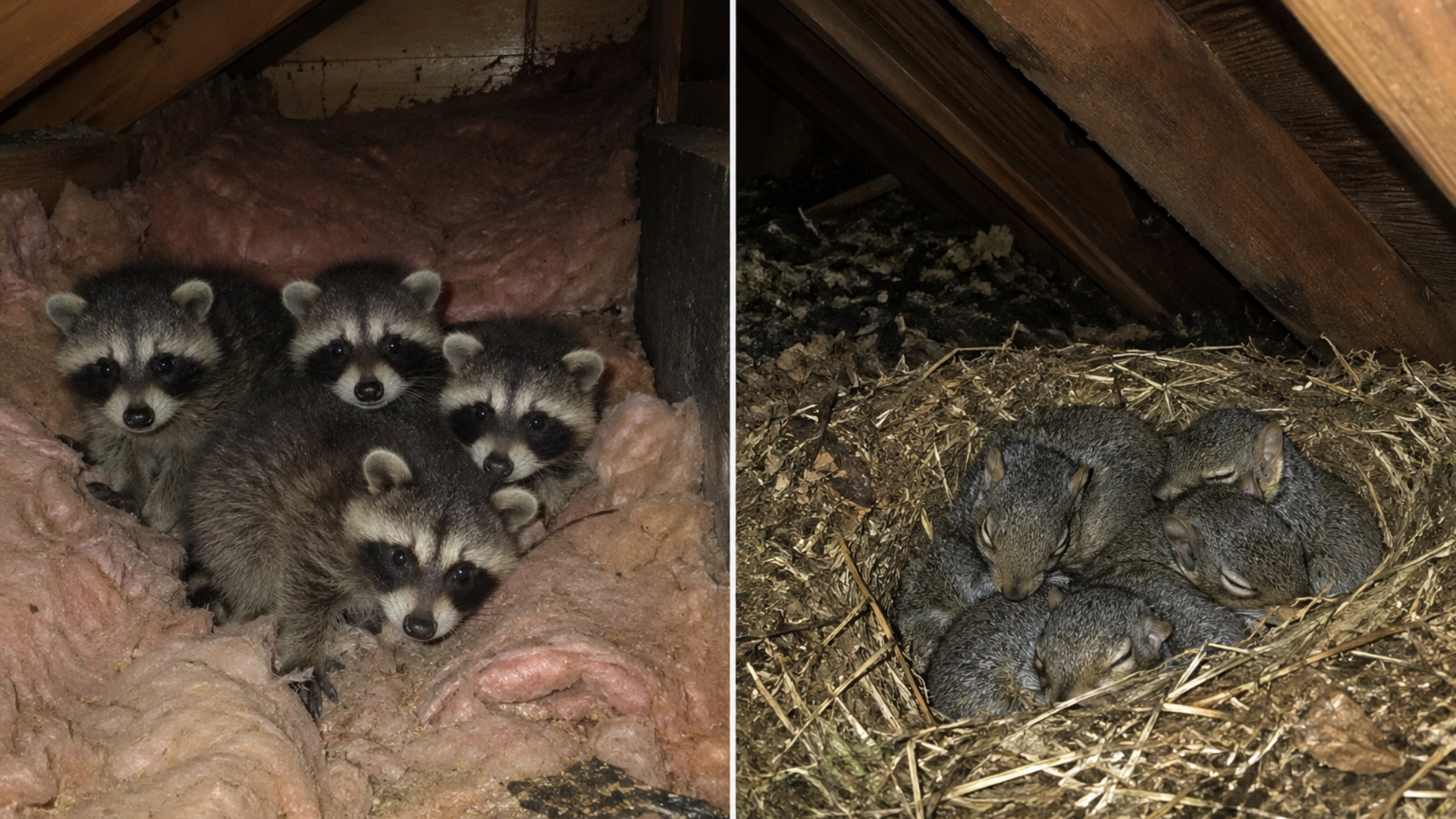
Common entry points
- Gable vents: Easily pulled apart or chewed through
- Roof vents (box or ridge vents): Often ripped open by raccoons
- Dryer vents: Frequently chewed through by squirrels
Why vents are so attractive to raccoons and squirrels
- Shelter: Attics are quiet, elevated, and protected
- Warmth: Heat escaping from vents attracts animals
- Safety: Ideal for raising young away from predators
- Weak construction: Vents are designed for airflow, not to withstand wildlife
Raccoons are strong enough to tear through weak metal or plastic, while squirrels can chew through plastic vents, tear screens, and squeeze through 1.5 inch gaps (or smaller). Neither of these results in a healthy house.
Signs of squirrels or raccoons in your vents or attic
If animals have already entered your home, you’ll likely notice a few warning signs.
Noises
- Scratching, chewing, or sounds of scurrying
- Activity increases during early morning or evening
Odors
- Strong smells from urine or feces
- Musty or unusual attic odors
Visible damage
- Broken or bent vent covers
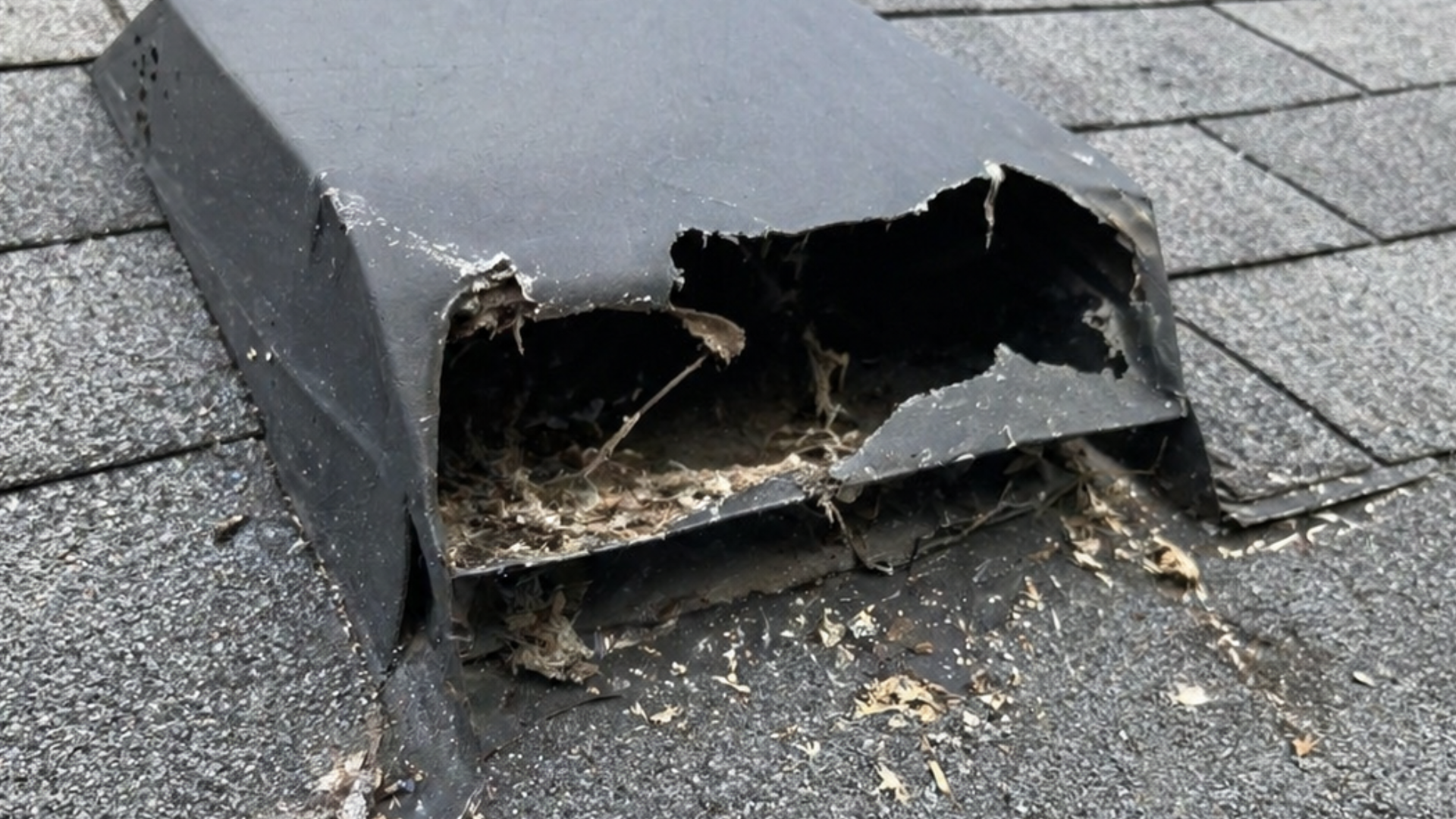
- Chewed shingles or wood
- Torn insulation
In many cases, homeowners don’t notice the issue until litters are already present. Left unchecked, this can lead to significant damage and costly repairs.
If you think there may be animals in your vents or attic, be sure to call a wildlife control technician. Thankfully, there are a few ways to keep squirrels and raccoons out of your home in the first place.
How to keep squirrels and raccoons out of vents
The best way to prevent raccoon and squirrel entry is to secure vulnerable areas before or after birthing season. Effective exclusion methods include:
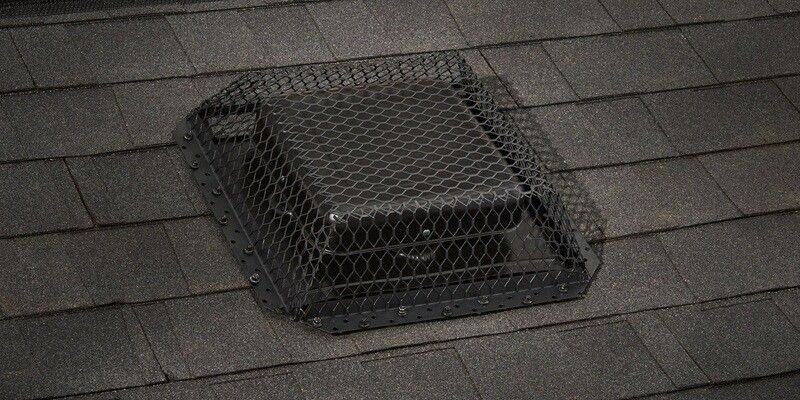
- Installing heavy-duty vent covers
- Reinforcing all roof, gable, and dryer vents
- Replacing weak plastic or damaged vent materials
- Inspecting your roofline regularly for damage
Under our HY-GUARD EXCLUSION® brand, we make a variety of specialized vent covers like Galvannealed Steel Roof VentGuards™, Pest Armor® Gable VentGuard™, and Code Compliant Steel Dryer Exhaust VentGuards™.
Important: Timing matters during birthing season
If animals are already inside, timing your response is critical. Blocking entry points while litters are inside can:
- Trap young animals in your attic
- Lead to odors and sanitation issues
- Cause costly damage
The best approach? Use humane exclusion methods, and allow the female to relocate her young before sealing entry points. This is where many homeowners unintentionally make the problem worse.
Keep wildlife out of your vents
Spring is peak raccoon and squirrel birthing season, and your home’s vents are some of the most common entry points.
Understanding how birthing season works — and why animals target vents — can help you act early and avoid costly infestations. If you’re hearing noises or noticing damage, it’s best to address the issue quickly (consider contacting a trained nuisance wildlife professional) before a small problem turns into a full litter in your attic.