
Sep 29, 2026
TL;DR: The most important fire safety habits are often the easiest: Checking smoke and carbon monoxide alarms regularly, never leaving cooking or open flames unattended, keeping heat sources away from anything flammable, cleaning dryer vents every six months, having your chimney inspected annually, and more.
Every October 4–10, the National Fire Protection Association (NFPA) marks Fire Prevention Week, which is a tradition that traces back to the Great Chicago Fire of 1871.
The NFPA has sponsored the observance since 1922, and President Calvin Coolidge made it a national event in 1925, making it the longest-running public health observance in the U.S.
This year's NFPA theme, "Safe Charging is a Superpower," focuses on lithium-ion battery and charger safety. That's an important piece of the puzzle, but it's only one piece. Dryer lint, chimney creosote, unattended candles, and old alarm batteries cause fires just as often, and they're just as preventable.
Fire Prevention Week kicks off Fire Prevention Month through October, but fires don't take the rest of the year off. Bookmark or print this checklist to make sure your family and home decrease risk of house fire as much as possible.
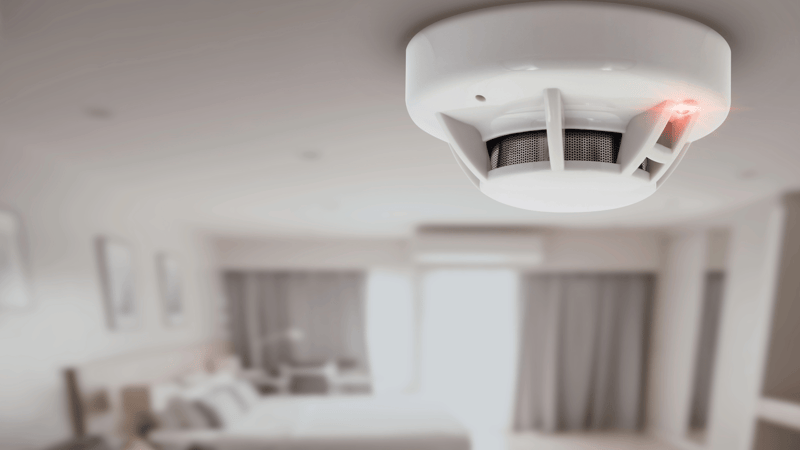
Alarm System Safety
☐ Check smoke alarms regularly
Why it matters: Smoke alarms belong on every level of your home, inside and outside sleeping areas, with fresh batteries. Test yours often and reduce your risk of dying in a home fire.
☐ Check carbon monoxide alarms regularly
Why it matters: CO is invisible and odorless, so an alarm might be the only warning you'll get. Keep one on every level of your home and test it often, just like your smoke alarms.
☐ Replace your alarm systems as needed
Why it matters: The general rule is to replace smoke alarms after 10 years and carbon monoxide alarms after 7. Sensors lose sensitivity long before the unit "dies" outright, so aging systems can miss the exact thing they're meant to catch.
Kitchen Safety
☐ Stay in the kitchen when you fry, grill, or broil food
Why it matters: Cooking is the #1 cause of home fires, and most start when food is left unattended, even for just a minute or two.
☐ Turn off the stove if you leave the room
Why it matters: If you have to step away, even briefly, an active burner with nothing watching it is how a small distraction becomes a fire.
☐ Keep items that can burn, like potholders, towels, boxes, and clothing, away from the stove
Why it matters: Loose fabric and paper near an open burner can ignite in seconds. Don’t take that chance.
☐ Keep a lid nearby to smother small pan fires
Why it matters: Sliding a lid over a grease fire cuts off its oxygen supply. Water should never be used to put it out, as it can cause hot oil to splatter and spread flames.
☐ Keep pets and children off cooking surfaces
Why it matters: A knocked-over pot of hot oil can spark a fire if it lands on a burner or nearby flammable material. Scalding water might do the same if it lands on a kitchen appliance or outlet.
Candle Safety
☐ Blow out candles when you leave the room
Why it matters: Most take only a moment of neglect to tip or catch something nearby on fire.
☐ Keep lit candles out of reach of children and pets
Why it matters: A curious hand or a wagging tail can knock over a candle before you have time to react.
☐ House candles in sturdy, fire-proof containers and light them in areas with little flammable material
Why it matters: A stable, heat-resistant holder keeps an open flame from tipping onto curtains, papers, bedding, or other flammable materials.
Heating & Electrical Safety
☐ Turn off portable heaters when you leave the room or go to sleep
Why it matters: Heating equipment is the second greatest cause of house fires, and an unattended heater left running is an incredibly preventable cause.
☐ Keep space heaters and hot items away from anything that can burn
Why it matters: The "3-foot rule" is the standard safe distance recommended for portable heaters to keep radiant heat from igniting furniture, bedding, or curtains.
☐ Check electrical cords for fraying, cracks, or damage
Why it matters: Damaged cords can arc and ignite whatever they're touching. A cord that's cracked or frayed should be replaced, not taped over.
Appliance Safety
☐ Remove lint from dryer after every use
Why it matters: Lint is highly flammable, and buildup in the trap is one of the most common (and most preventable) causes of dryer fires.
☐ Clean your dryer vent every six months
Why it matters: Lint collects inside the vent line itself, not just the trap, and that buildup is what fuels most dryer fires. If you'd rather not call a dryer vent cleaning pro every time, a rotary vent cleaning kit like the Gardus® LintEater® makes this a manageable DIY task.
☐ Unplug or turn off small appliances when not in use
Why it matters: Toasters, curling irons, and other small appliances left powered on can cause household fires, often when no one's in the room.
☐ Inspect your outside vent hood flap
Why it matters: Making sure the outside vent hood flap opens freely allows flammable lint and moisture to escape, preventing dangerous heat and lint buildup that can trigger a house fire.
☐ Replace your foil or plastic transition duct
Why it matters: These transition ducts fold or crumple easily. This crushing blocks airflow and creates internal pockets that trap highly flammable lint, creating a severe fire risk. We recommend replacing with rigid or semi-rigid metal.
Fireplace & Chimney Safety
☐ Have your chimney inspected at least once a year
Why it matters: This is a general rule for wood-burning fireplaces. Annual safety checks are important to find blockages, debris, and failing components. You can find a certified sweep through the National Chimney Sweep Guild.
☐ Have your chimney flue cleaned
Why it matters: You should clean your chimney immediately if you notice creosote buildup of 1/8 inch or a shiny glaze inside the flue, a strong campfire or smoky odor, smoke backing up into the room, or evidence of animals, birds, or nests blocking the flue. Otherwise, plan to clean at least once a year. We strongly recommend calling a certified chimney sweep for real buildup, but for lighter, routine maintenance, a rotary cleaning kit like the Gardus SootEater® is a solid DIY option between pro visits.
☐ Invest in a quality chimney cap
Why it matters: Corner-mounting attachment points provide the most secure fit possible on a masonry flue. You can count on these chimney caps to keep nuisance wildlife out of your chimney, while spark arrestors keep burning embers from escaping onto your roof.
☐ Keep flammable material away from fireplace when lit
Why it matters: Rugs, furniture, and decor placed too close to an active fireplace can ignite from radiant heat or stray embers. Better to be safe than sorry.
Household Safety (AKA Escape Plans)
This last one doesn't need a checkbox; it needs practice.
Make sure everyone in the household memorizes at least two ways out of every room and knows a designated meeting spot outside the home in case of emergency.
Why it matters: In a real fire, smoke and panic make familiar spaces disorienting fast. A plan you've physically walked through is one you can execute without thinking, which is exactly what you need when mere seconds count.
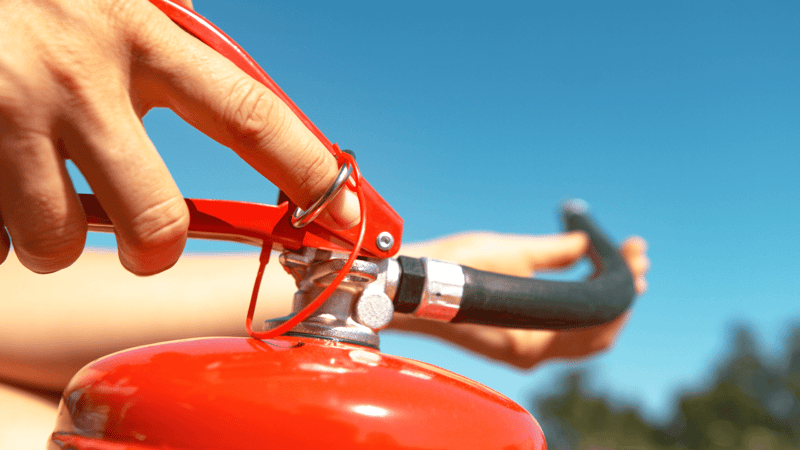
Learning to use a fire extinguisher isn't a bad idea, either. The PASS method (Pull, Aim, Squeeze, Sweep) takes just a few minutes to learn. Once you do that, we suggest keeping a fire extinguisher on every level of the home.
October might put fire safety in the spotlight, but house fires don't check the calendar.
Loved this guide? Either save it online or print it out and keep a physical copy handy to make sure you’re safeguarding your family and home from the threat of house fires.