
Mar 13, 2026
Share:
Subscribe now and get our latest blog and video content delivered straight to your inbox.
Mar 13, 2026
TL;DR: The best time to install a SnugDryer® connection kit is during new construction or remodeling, when open walls allow builders to properly align ductwork before drywall goes up; retrofits are possible in existing laundry rooms but work best when the wall vent already aligns with the dryer's exhaust port and uses rigid ducting, otherwise a traditional flexible vent hose may be simpler. Signs you could benefit from an upgrade include a dryer sitting far from the wall, crushed or kinked venting, slow-drying clothes, or excess lint buildup.
Gardus® brand solutions help add inches of space to your laundry room.
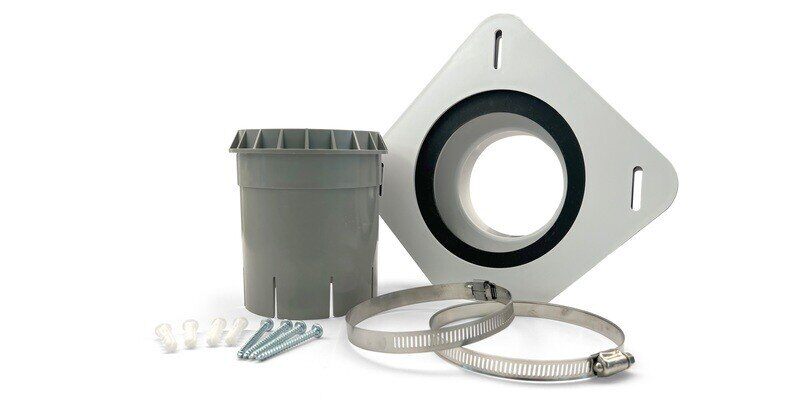
One such product is the Gardus SnugDryer® Space-Saving Dryer Vent Connection Kit™, a dryer vent connection kit made from high-temperature ABS designed to eliminate the bulky, kink-prone flexible vent connections commonly found behind dryers.
By allowing the dryer to sit flush against the wall, SnugDryer:
- Prevents crushed or kinked duct connections
- Allows clothes to dry faster
- Increases energy efficiency
- Extends the life of your dryer
- Reduces the risk of lint-related dryer fires
Previous articles have discussed how to install SnugDryer, shared honest product reviews, and explained how it compares to similar products. But when should you really install a dryer vent connection kit like SnugDryer? Is there an ideal time to plan for it?
Why Snugdryer Is Often Installed During Construction or Remodeling
New construction or laundry room renovations are often the easiest times to plan for a dryer vent connection kit installation.
SnugDryer is installed after drywall is put in place. That said, at this stage of a project, builders can access the wall cavity before drywall is installed, making it much easier to position the 4-inch dryer vent duct so it lines up correctly with the future dryer location.
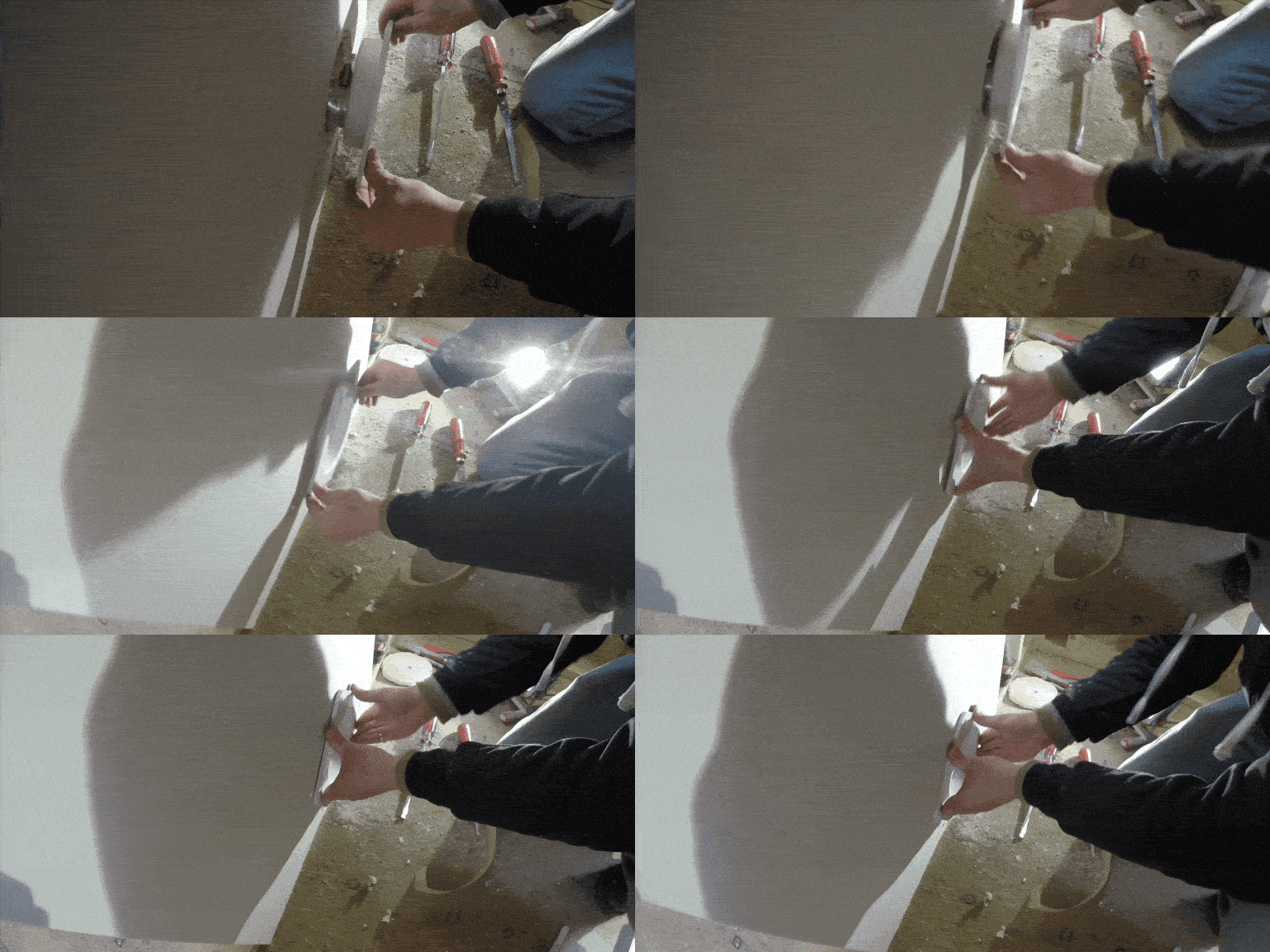
Planning ahead ensures the duct exits the wall at the proper height and location, allowing the SnugDryer wall plate to be installed cleanly once the drywall is finished.
Key reasons to plan ahead for SnugDryer include:
- Accessibility: Open walls make it easier to adjust or reposition dryer vent ducting so it aligns properly with the dryer’s exhaust outlet
- Proper duct alignment: Builders can ensure the vent pipe exits the wall at the correct height and location before the wall is closed
- Avoiding drywall rework: If ductwork needs to be moved after drywall is installed, it may require cutting and repairing finished walls
Planning for the connection during construction helps ensure the ductwork is positioned correctly before the wall is closed.
Can You Retrofit a Snugdryer in an Existing Laundry Room?
Yes — while SnugDryer is easiest to install during new construction, retrofit installations are still possible if the dryer vent duct sits inside the wall behind the appliance and reasonably aligns with the dryer’s exhaust port.
If the ductwork is significantly misaligned or the wall configuration is difficult to access, a professional installer may be the best option.
What Makes Installing a Dryer Vent Connection Kit During a Retrofit More Challenging?
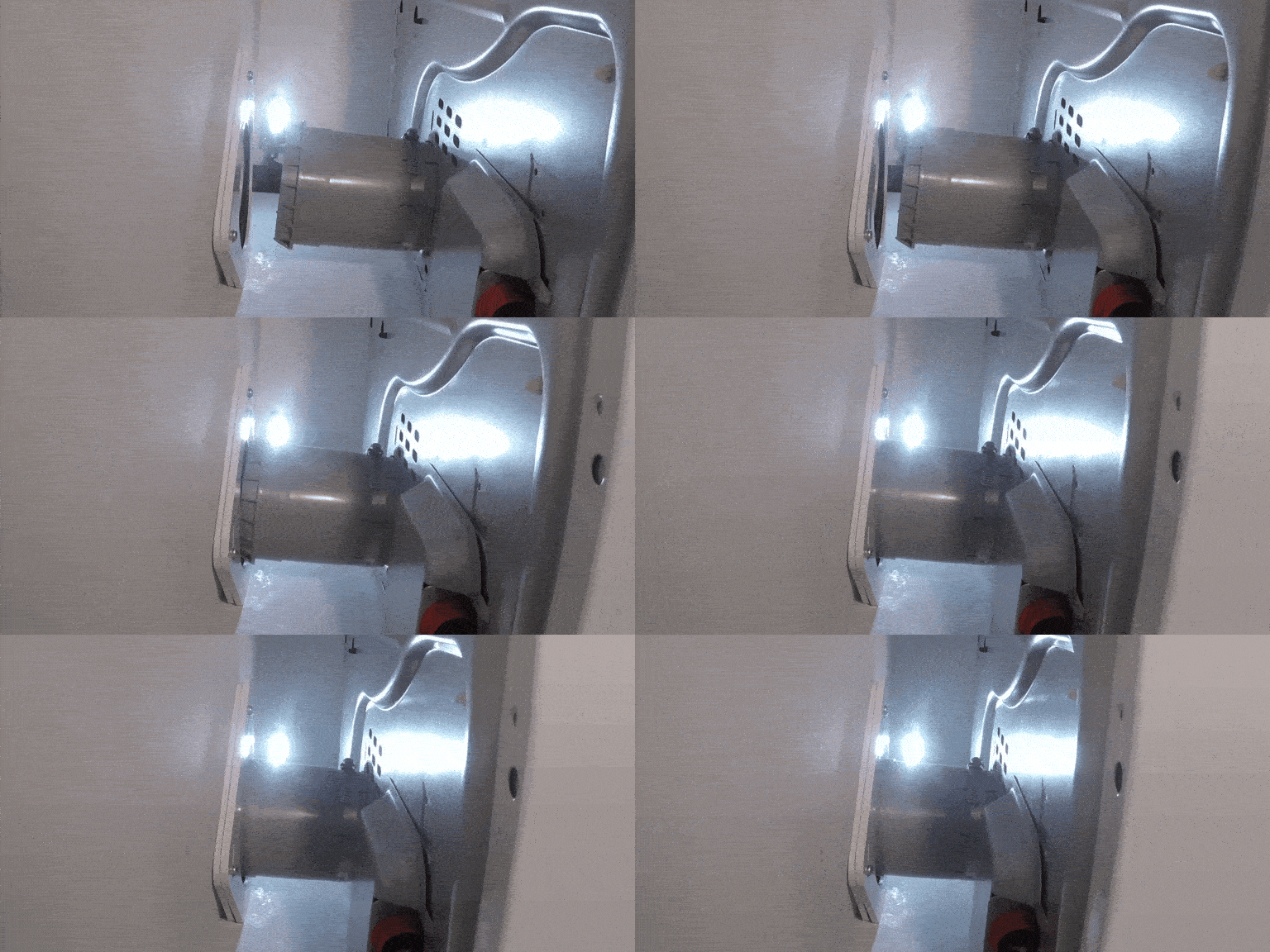
Installing a dryer vent connection kit during a retrofit is often more challenging than during new construction because the wall, ductwork, and framing are already in place. These challenges can include:
- Accessing the wall cavity behind existing drywall
- Aligning the dryer exhaust with existing ductwork
- Working around fixed stud locations
- The risk of cutting mistakes during drywall modification
- Repairing or patching drywall after installation
SnugDryer is designed to be DIY-friendly, but retrofit installations can require more skill and careful planning than installations completed during new construction.
Signs Your Dryer Setup Is a Good Retrofit Candidate
While SnugDryer is easiest to install during new construction, many existing laundry rooms can still accommodate a retrofit. The setups below tend to work best:
- Your wall vent aligns with the dryer exhaust: The wall vent should sit directly behind — or very close to — the dryer’s exhaust port for alignment
- Your dryer sits against a finished wall: SnugDryer is designed to recess into drywall and connect to ductwork inside the wall
- You want to reclaim space behind the dryer: If your dryer currently sticks out from the wall due to bulky flexible ducting, SnugDryer helps the appliance sit several inches closer to the wall
- Your duct connection uses rigid or semi-rigid pipe: The system works best when the duct behind the wall is rigid metal ducting, which is also the preferred material under most dryer vent installation guidelines
Even though the dryer will sit closer to the wall, you should still be able to slide it forward for routine cleaning or service.
When It’s Better to Stick With a Flexible Dryer Vent
SnugDryer isn’t the right solution for every laundry room. In some setups, a traditional flexible vent hose is still the more practical option.
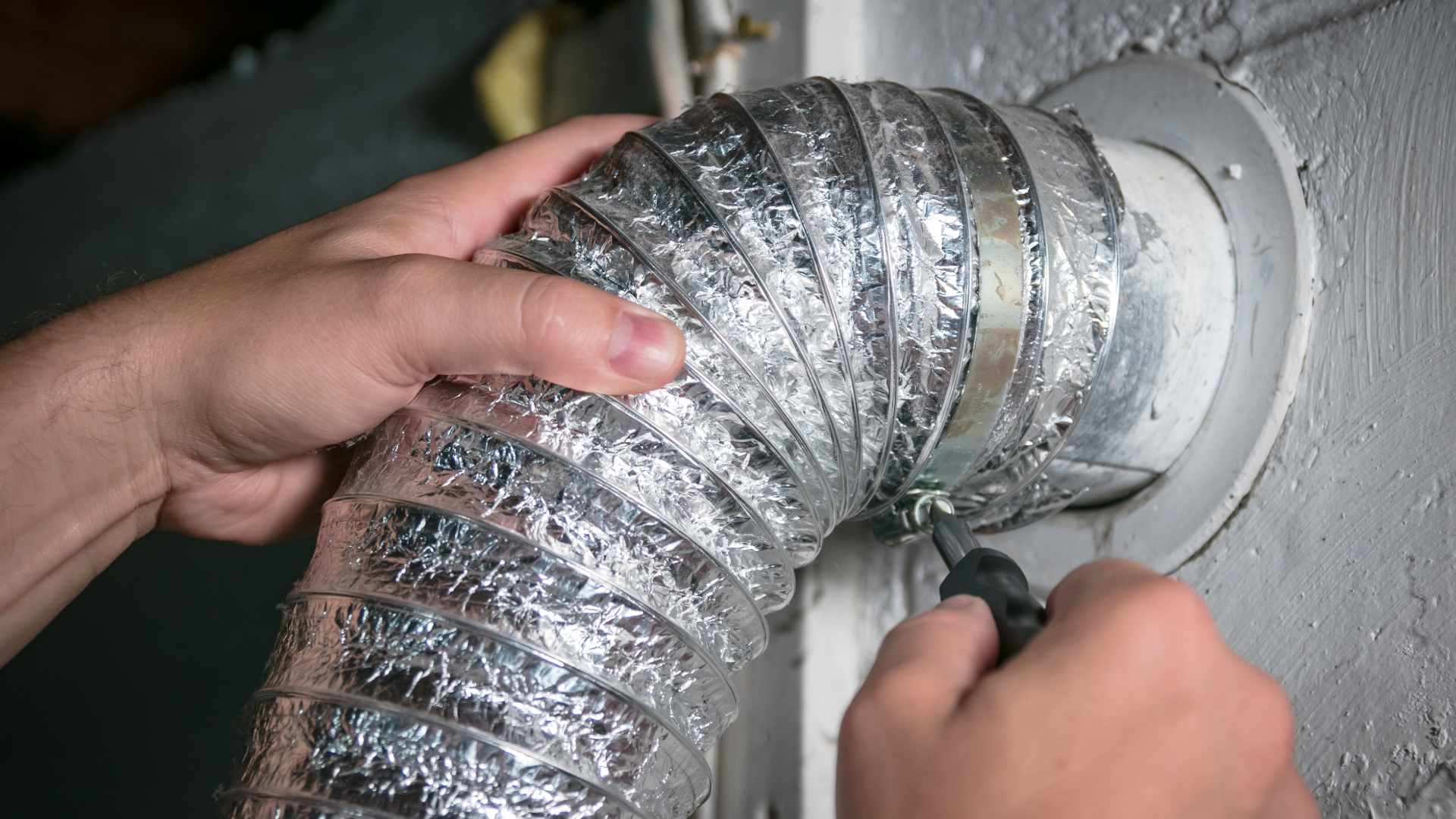
- The wall vent sits too high or low: If the existing duct connection doesn’t line up with the dryer’s exhaust port, installation could require extensive drywall work or duct relocation
- The dryer vents into exposed ductwork: In unfinished basements or utility rooms where ductwork runs along the wall or ceiling, flexible vent hoses are usually the simplest solution
- Studs or utilities block the installation area: Electrical wiring, plumbing, or structural framing inside the wall can make installing a recessed dryer vent plate difficult or impossible without major modifications
Retrofit installation typically requires cutting into drywall and measuring precisely. If you’re not comfortable modifying drywall, a flexible dryer vent may be the easier option.
Common Signs Your Dryer Connection Needs Improvement
You might benefit from a recessed dryer connection system if:
- Your dryer sits several inches away from the wall
- The flexible vent hose behind the dryer is crushed or kinked
- Clothes take longer than expected to dry
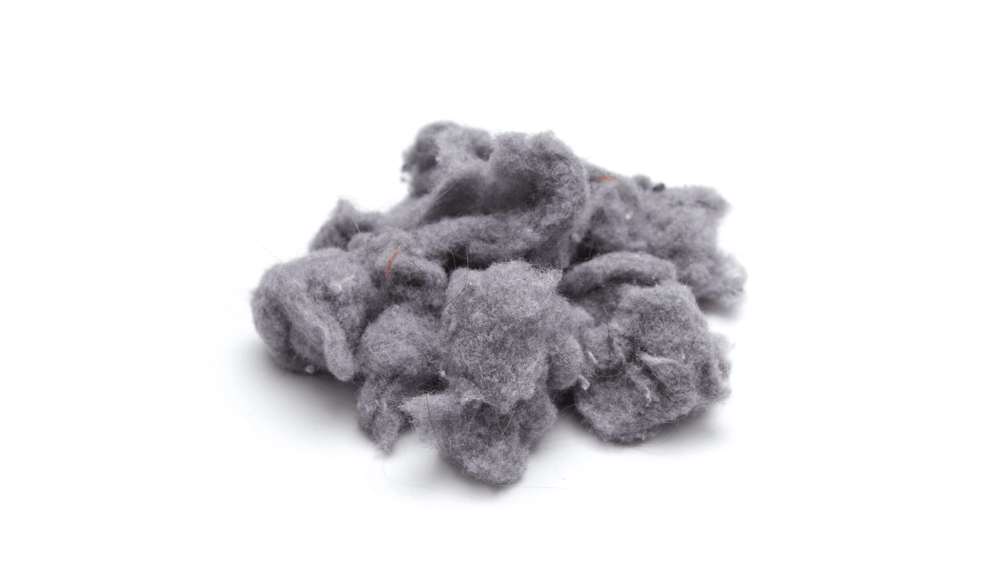
- You notice excess lint buildup
- Your laundry room is tight on space
If these sound familiar, a space-saving dryer vent connection kit like SnugDryer might help improve efficiency, reduce fire risk, and reclaim a few inches of your laundry room.
