Sep 13, 2023
Share:
Subscribe now and get our latest blog and video content delivered straight to your inbox.
Sep 13, 2023
Updated November 2026 by Kyla Pehr, Content Coordinator
TL;DR
A wood burning furnace costs $2,000 to $5,000 for the unit, plus $300 to $8,000 for professional installation. Price depends on steel content, EPA certification, where the furnace is built, firebox size, and blower capacity. Installation is cheapest when your home already has ductwork and a chimney.
Key takeaways
- The total cost has two parts: The furnace itself and its installation.
- Steel prices, EPA certification, and country of manufacture set the base price.
- A bigger firebox and a higher-CFM blower raise the price.
- US- and Canadian-made furnaces cost about 30% more than Chinese-made units.
- Installation runs $300 to $500 in the best case and up to $8,000 if you need a new chimney or ductwork.
At HY-C, we build our furnaces in the same building as our office. We see every cost that goes into a wood furnace, from raw steel to final assembly. This guide uses that experience to explain what you will pay and why.
What determines the price of a wood burning furnace?
Two things determine what you pay: The price of the furnace and the cost to install it. The furnace price comes from its materials, its EPA certification, where it is built, and its features. Installation cost depends on your home's existing ductwork, chimney, and heating system.
How do steel prices affect wood furnace cost?
Steel is the largest material cost in a wood furnace, so steel prices move furnace prices. At its core, a wood furnace is a heavy steel box. When steel spikes, furnace prices follow.
For example, a ton of rebar steel cost about $1,800 in early 2016 and nearly $6,000 by October 2021. rices have cooled since that peak: In October 2026, Gordian’s Structural Steel Cost Index put structural steel at about $2,700 per ton. Check current steel prices when you shop, since they affect what manufacturers charge.
Furnaces with thicker steel fireboxes and solid cast iron doors and grates cost more. In return, they last longer, especially when you run and maintain them as the manufacturer recommends.
How does EPA certification affect wood furnace cost?
EPA certification adds roughly $100 to the price of each furnace. Every new wood-fired forced-air furnace sold in the United States must be EPA certified. The EPA's 2015 standards phased in, and the stricter Step 2 emission limits took effect on May 15, 2020.
Meeting Step 2 made furnaces more complex. Designers had to rework intake port size and placement, airflow through the unit, and the controls that manage combustion. Each change adds cost.
The approval process itself costs a manufacturer about $100,000, covering testing, fees, and research and development. A company that sells 1,000 furnaces a year must add about $100 to each one to recover that cost. You can confirm any model's status in the EPA Certified Wood Heater Database.
Does it matter where a wood furnace is made?
Yes. A furnace made in the USA or Canada costs about 30% more on average than one made in China, after accounting for tariffs, freight, steel, and labor. The United States, Canada, and China build most EPA-certified wood furnaces.
North American manufacturers use skilled, higher-paid labor and typically higher-grade materials. Overseas units save on labor, though tariffs and shipping eat into those savings. The "Made in USA" label signals quality, and it comes with a higher price.
Which features raise the price of a wood furnace?
The firebox and the blower are the two features that move price the most.
Firebox material and capacity. The firebox holds the burning wood. Most are lined with firebrick or with high-temperature insulation wrapped in stainless steel.
|
Firebox material |
How it works |
Drawback |
|---|---|---|
|
Firebrick |
Absorbs and stores heat |
Can chip or crumble over time |
|
Insulated stainless steel |
Keeps heat in the firebox for transfer to the hot-air plenum |
Can dent over time |
Firebox capacity is measured in cubic feet. A larger firebox holds more wood and uses more material, so it costs more.

Blower capacity (CFM). The distribution blower pushes warm air from the plenum into your ducts. Its power is measured in cubic feet per minute (CFM). Blower price rises roughly in line with capacity. For example, an 1,800 CFM blower moves about 64% more air than an 1,100 CFM blower and costs proportionally more.

How much does it cost to install a wood burning furnace?
Professional installation of a wood burning furnace costs $300 to $8,000. The range depends on whether your home already has ductwork and a chimney.
|
Installation scenario |
Typical cost |
|---|---|
|
Existing ductwork and existing chimney or flue |
$300 to $500 |
|
Furnace without an integrated plenum (custom sheet metal needed) |
$300 to $800 |
|
New ductwork or a new chimney required |
$3,000 to $8,000 |
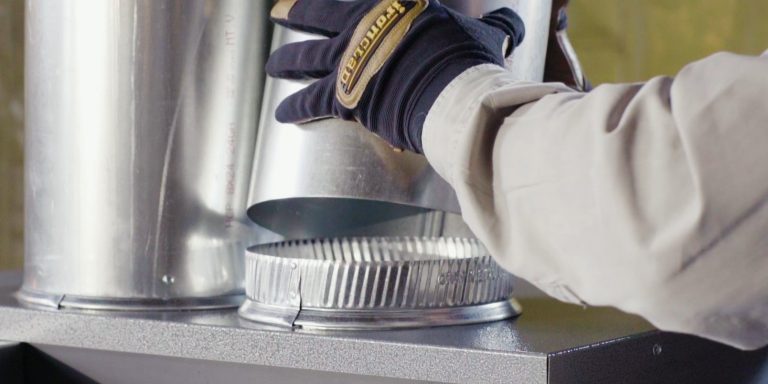
Prices vary by region, installer, and furnace. We do not recommend installing a wood furnace yourself; hire a qualified professional.
What should you ask your installer before getting a quote?
These five questions determine most of your installation cost. Know the answers before your consultation, or ask your installer:
- Are you replacing an existing furnace or installing a new one?
- Will the wood furnace supplement an existing HVAC system?
- Do you need new ductwork for return air?
- Do you have an existing chimney or flue?
- Where will the thermostat go, and what will that installation involve?
Frequently asked questions
How much does a wood burning furnace cost in total? Expect $2,000 to $5,000 for the furnace plus $300 to $8,000 for installation. Homes with existing ductwork and a chimney land at the low end. Homes that need a new chimney or new ductwork land at the high end.
Why have wood furnaces become more expensive? Two main reasons: Steel prices rose sharply in the early 2020s, and the EPA's Step 2 emission limits, effective May 2020, required more complex designs and a costly certification process.
Do I need an EPA-certified wood furnace? Yes, for any new furnace. Every new wood-fired forced-air furnace sold in the US must meet EPA emission standards. Check a model in the EPA Certified Wood Heater Database before you buy.
Is a US-made wood furnace worth the extra cost? A US- or Canadian-made furnace costs about 30% more than a Chinese-made unit. Buyers pay that premium for skilled labor, heavier materials, and easier access to parts and support.
Can I install a wood burning furnace myself? We do not recommend it. A wood furnace connects to your ductwork, chimney, and thermostat, and a mistake can create fire or carbon monoxide risks. Hire a qualified installer.
Is firebrick or stainless steel better for a firebox? Both last a long time. Firebrick stores heat but can chip. Insulated stainless steel keeps heat in the firebox for faster transfer but can dent.
Is a wood burning furnace right for you?
A wood furnace makes sense if you have access to firewood and want whole-home heat independent of gas or electric prices. Our Fire Chief® FC2500 is an EPA-certified central wood furnace built for homes of 1,000 to 2,500 ft². It burns up to 10 hours per load on dry cordwood up to 21 inches long, averages 78% overall efficiency, and delivers 75,000 BTU nominal output (310,000 BTU maximum). It ships with a thermostat, blower, hot air plenum, brick-lined firebox, and ash drawer. Ready to price a furnace for your home? Find an HY-C dealer near you.