

Dec 15, 2025
Share:
Subscribe now and get our latest blog and video content delivered straight to your inbox.
Dec 15, 2025
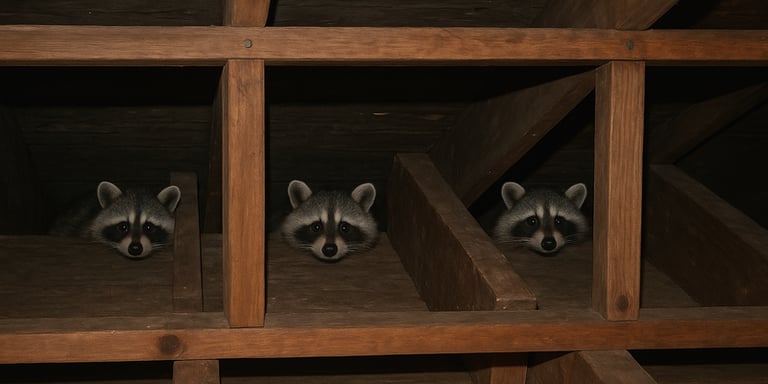
Imagine: It’s the end of winter, and you get a call from a worried homeowner who suspects raccoons in their attic. Typical, right?
When you arrive, you notice signs of more than one animal — there’s likely a family hiding out. The female raccoon is so protective that accessing her and her young is nearly impossible. You can’t just set any trap; you need a strategy to enlist the female racoon to move the family out, all while following responsible wildlife practices.
This is exactly the kind of challenge HY-C specializes in. As a proud partner of the National Wildlife Control Operators Association (NWCOA) and the National Pest Management Association (NPMA), we stay informed on the latest trends and best practices that affect the pest and wildlife professionals we serve.
One trend that has garnered significant attention is hazing — a humane approach designed to encourage wildlife to leave an area safely while minimizing stress for both the animals and homeowners.
What is hazing and why should you care?
Wildlife hazing is a management technique that uses negative experiences to condition animals to avoid human spaces. The goal is to encourage them to leave on their own, prevent property damage, and maintain ecological balance — all while mitigating harm.
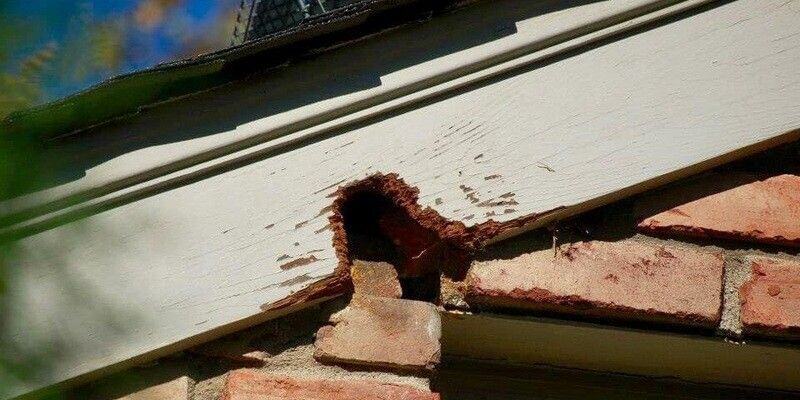
Hazing also reduces habituation, reminding animals of their natural human wariness. This can be lost in the allure of easy food sources like garbage or pet food left on porches, AKA attractants.
This approach has become increasingly relevant as more households seek safer alternatives to chemicals. According to the EPA, 75% of U.S. households used at least one pesticide product indoors in the past year. Growing regulations, concern for the safety of children and pets, environmental awareness, and even a simple love of animals have driven interest in strategies like hazing.
Ultimately, the idea is simple: protect people, homes, and unwelcome wildlife by encouraging voluntary relocation.
Which animals can be hazed?
Hazing tends to work best on:
- Birds
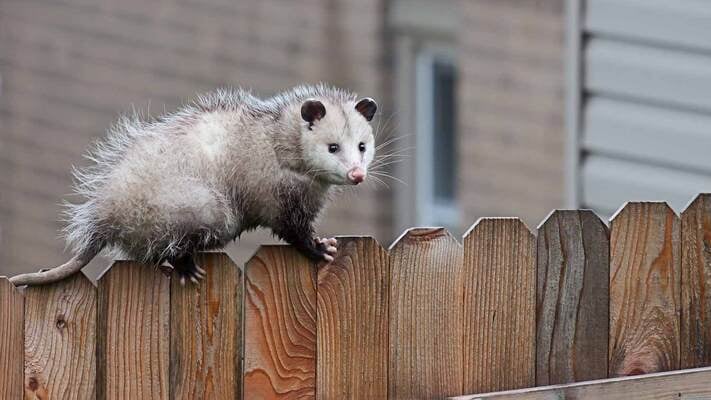
- Small mammals and rodents (like raccoons, opossums, skunks, and foxes)
- Certain other species, including bats
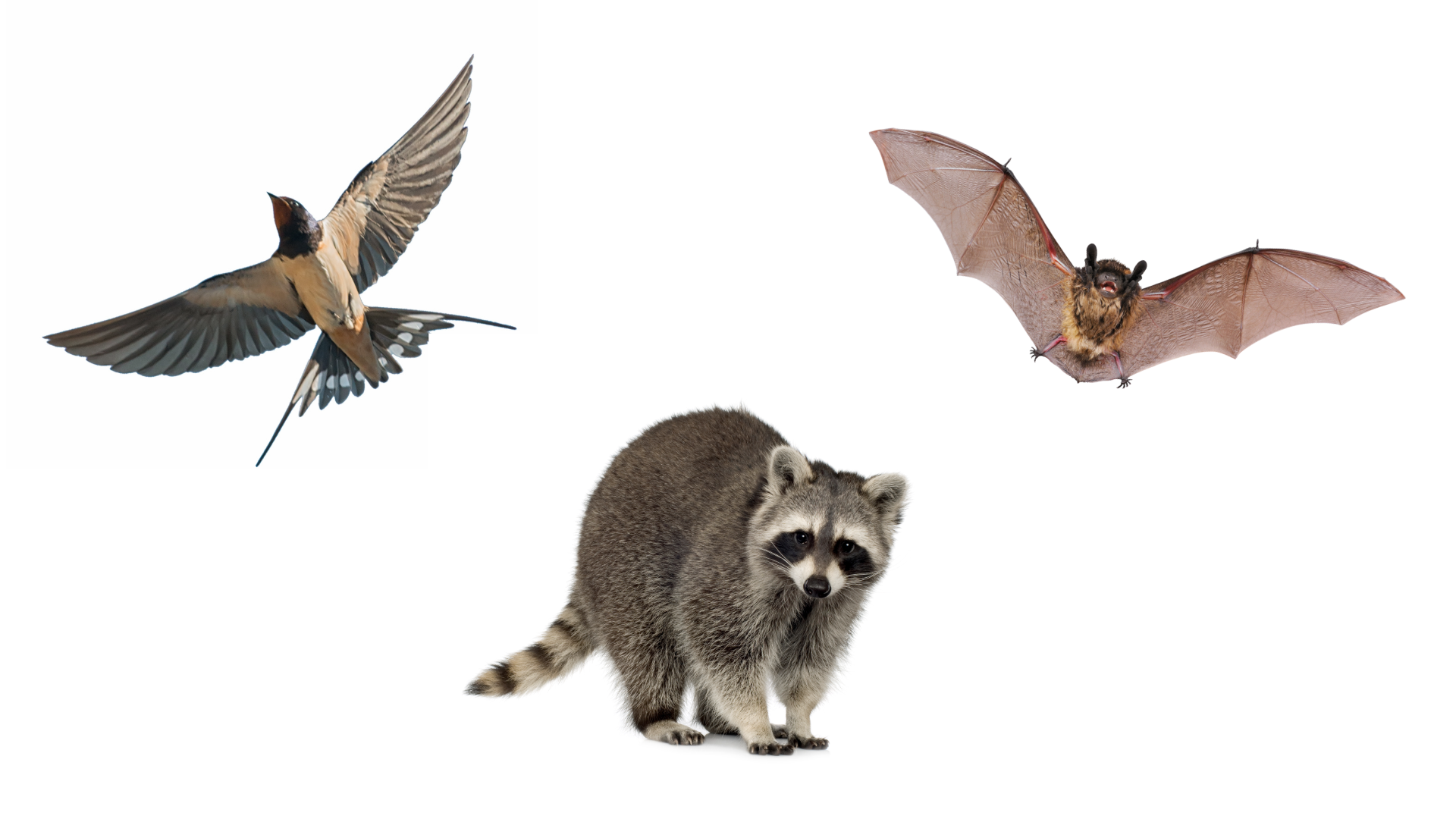
However, not all wildlife can be hazed.
The effectiveness of hazing can hinge on the extent of the animal’s habituation and the homeowner’s ability to remove attractants. Plus, protected species like migratory birds can’t be legally harassed. Technicians should double check federal, state, and local regulations before any hazing techniques are employed.
How does hazing work?
While homeowners can attempt some methods, we strongly recommend professionals handle the process to ensure safety and success.
Hazing typically relies on several sensory approaches:
1. Smell:
- Predator scents (urine or scat) signal danger and are olfactory encouragement for animals to leave.
- Specialized products mimicking male pheromones might prompt a female to move her young elsewhere. This often works well with raccoons, as males driven by mating instincts often kill the young that they stumble upon.
- Other scents like peppermint or cayenne may show some varied success, but mothballs are a firm no-no. Not only are they largely ineffective for wildlife deterrence, but the chemicals they release are also toxic to people and pets.
2. Sound:
- Auditory deterrents include distress calls, loud music, and carefully managed pyrotechnics. For example, the WCS™ Chatterbox Audible Raccoon Deterrent Device plays recordings of aggressive male raccoons and can be paired with products that mimic male pheromones for increased effectiveness.
- People can exploit animals’ natural fear of humans by making noise consistently, such as banging pots or shaking cans. The goal is to be as obnoxious as possible, but maybe consider warning the neighbors about what you’re doing prior.
3. Sight:
- Visual deterrents like bright lights, reflective tape, lasers, or those same pyrotechnics may work for some species — birds especially.
- Trusty sidekicks like decoys, predator statues, or even dogs can reinforce the message.
Water can be surprisingly helpful sometimes, too. Spray bottles, hoses, or timed sprinklers add a mild, harmless physical component to encourage animals to move.
That said, hazing principles are important to take into consideration, too:
- Consistency: Animals need repeated exposure to perceive the threat as real.
- Concentration: Focus the deterrent where the animal is residing; scattered efforts reduce effectiveness.
- Intensity: The method must be bothersome enough to motivate relocation.
And remember, hazing doesn’t guarantee where animals will relocate. Reinforce animal-free areas before starting, and follow all legal and safety requirements.
Additional approaches
If you’re wanting to get rid of unwanted guests as quickly and carefully as possible, there are a few more precautions that can be taken by techs and homeowners alike.
- Remove attractants around human spaces
- Modify habitats by trimming vegetation or removing debris
- Trap and relocate when appropriate
- Seal entry points to prevent re-entry
At HY-C, our HY-GUARD EXCLUSION® products address the root causes of wildlife intrusion, offering long-term solutions rather than temporary fixes.
Discover HY-GUARD EXCLUSION Products
Whether you’re looking to remove, relocate, or prevent pests and wildlife entirely, there are ways to do so ethically. And, like exclusion, hazing is an effective, humane method for managing nuisance wildlife while protecting both animals and humans.
