
Jun 10, 2026
Share:
Subscribe now and get our latest blog and video content delivered straight to your inbox.
Jun 10, 2026
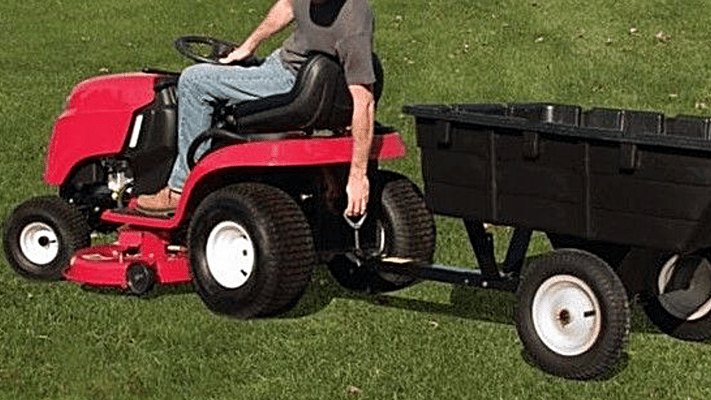
TL;DR: Hitch pins fall out or break because of improper installation, constant vibration, shear stress from heavy loads, and bending forces that cheap pins simply can't handle. The fix isn't just re-inserting the pin, it's also understanding why it failed and choosing a pin built to handle the real demands of lawn and garden towing.
If you've ever hooked up a lawn cart, aerator, or spreader to your riding mower — then watched it separate halfway across the yard — you already know the frustration with hitch pins.
It’s true that a hitch pin that won't stay put is annoying, but it’s also capable of causing damage to expensive attachments, creating a safety hazard, and costing you far more time than the original task would have to begin with.
Thankfully, this problem is completely solvable. But to solve it, you first need to understand what's actually happening with your hitch pin.
What Is a Hitch Pin and How Does It Work?
A hitch pin is a metal rod that slides through the receiver hitch on your lawn tractor or riding mower and locks your attachment's ball mount in place. A cotter pin, clip, or locking mechanism then passes through a hole in the hitch pin itself to keep everything from sliding out.
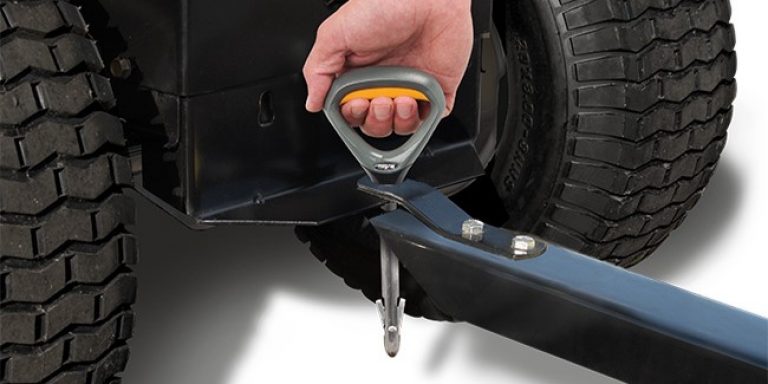
It sounds simple — and it is, in theory. That said, "simple" doesn't mean "foolproof."
The way a hitch pin is installed and the quality of the pin itself can help determine whether your attachment stays connected or ends up sitting in the grass behind you.
How to Properly Install a Hitch Pin
Before troubleshooting why your pin keeps failing, it's worth making sure it's being installed correctly. Even a high-quality pin will fail if it's not seated right.
Here's the basic hitch pin installation process:
- Align the hitch and ball mount holes: The pin can only secure the connection when the holes are fully lined up, and a misaligned mount puts immediate lateral stress on the pin
- Slide the hitch pin all the way through: It should pass completely through both the receiver and the ball mount shank without resistance or play
- Insert the retaining clip or cotter pin: This goes through the hole at the end of the hitch pin to lock it in. Make sure it's fully seated, as a clip that's only halfway in can vibrate free
- Check for movement: After installation, give the attachment a firm shake. There should be minimal play. Excessive movement means the pin, the mount, or both are undersized for the application
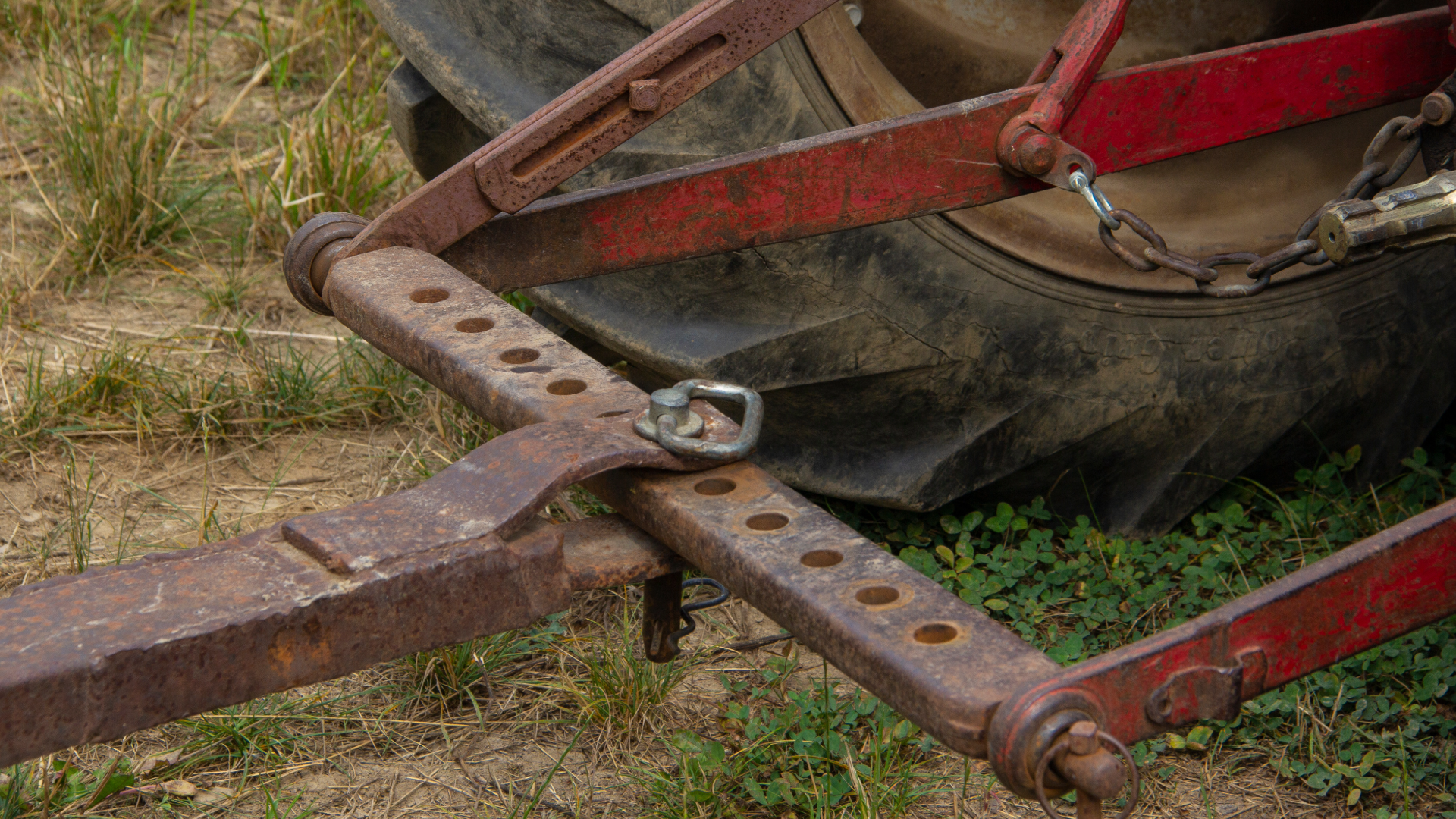
Even when installed correctly, though, some hitch pins still fail. That's when the issue shifts from installation to design and materials.
Why Hitch Pins Fail: The Most Common Causes
1. Improper Installation
The most overlooked causes of hitch pin failure are also the most preventable. A pin that isn't fully seated, a cotter clip that isn't locked, or a ball mount that isn't properly aligned with the receiver all create the conditions for a pin to walk itself out… or snap.
The fix here is straightforward: Slow down during setup. Taking an extra 30 seconds to verify alignment and clip engagement can save you hours of tracking down a lost attachment.
2. Vibration
Riding mowers and garden tractors produce a lot of vibration, especially on uneven terrain. Over time, that constant shaking works against any fastener that relies on friction or a loose-fitting clip to stay in place.
Standard cotter pins are particularly vulnerable here. They're designed to prevent complete removal, but they're not designed to resist the cumulative loosening effect of vibration. After enough cycles, the pin begins to migrate, the clip loses its bite, and the whole assembly works free.
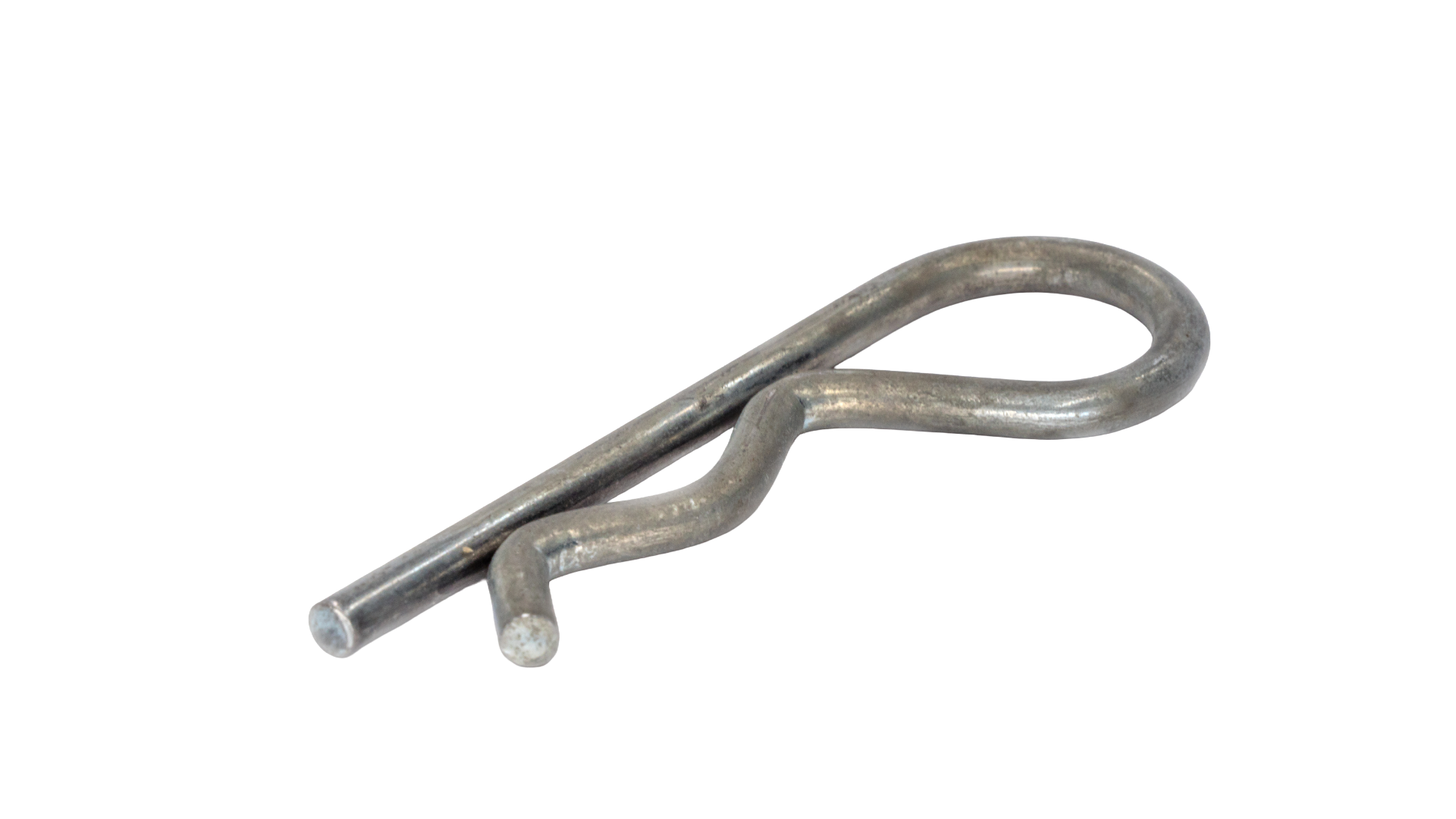
This is one of the most common reasons hitch pins fail on otherwise well-maintained equipment. It’s just physics.
3. Shear Stress
The hitch pin is under shear stress every time you tow an attachment, with forces trying to "cut" through the pin perpendicular to its length. The heavier the load, the more aggressive the terrain, and the more abrupt the starts and stops, the greater that stress becomes.
Low-grade steel pins (especially those sold as generic replacements) often aren't rated for sustained shear loads. They may hold fine on light attachments in ideal conditions, then fail suddenly when you're towing a heavy cart on a slope. That sudden failure is what bends or breaks pins that look fine from the outside.
4. Bending
Bending failure is closely related to shear stress, but it typically happens when the inner diameter of the receiver and the shank of the ball mount don't closely match.
When there's wiggle in that fit, the pin acts like a bridge over a gap rather than a solid fastener in a tight bore. Under load, it flexes. Over time, it bends. Once bent, it no longer fits properly, accelerating failure and making the pin harder to remove or replace.
This is why "close enough" sizing is never actually close enough.
Sometimes operator manuals for lawn mowers and tractors will list hitch pin diameters. More often, they'll specify drawbar hole size or hitch category. Be sure to refer to your manuals when selecting a hitch pin, regardless.
When "Cheap" Actually Becomes Expensive
A replacement hitch pin might cost a few dollars at a hardware store. That seems like a reasonable solution until you run the math yourself.
A single lost or damaged tow-behind attachment can cost hundreds, or even over a thousand dollars to repair or replace. A quality lawn sweeper, for instance, usually retails from $300 to $600. Add in the time spent tracking down what happened to the attachment, re-hooking everything, and potentially re-doing work on your lawn, and that "cheap" pin has become anything but.
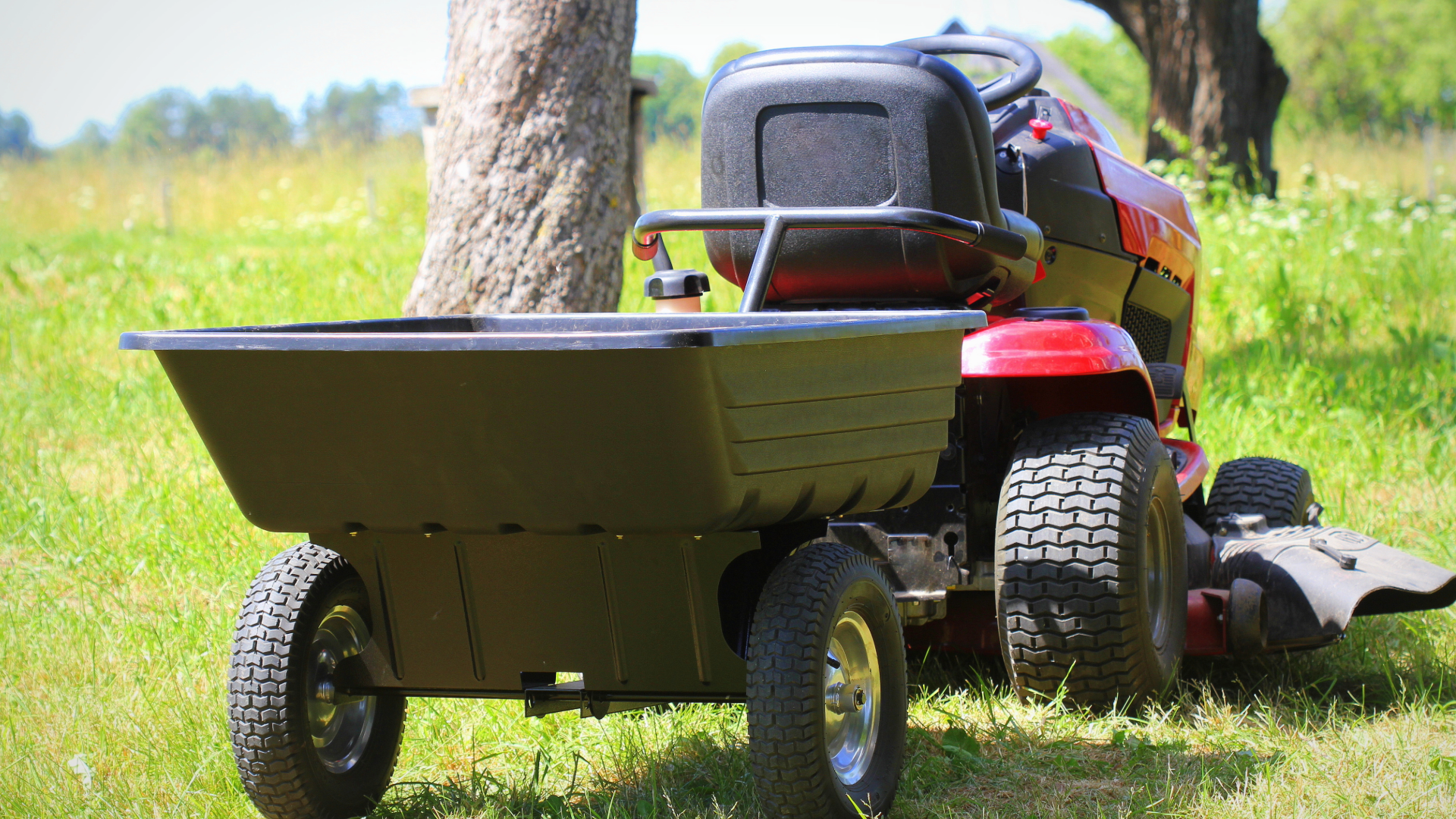
Beyond the direct cost, there's a safety dimension most people don't often think about until something goes wrong. An attachment that separates unexpectedly can become a projectile hazard, particularly on slopes or near bystanders.
Spending a little more on a pin designed for your actual use case isn't an upsell; it's basic risk management.
The Solution: Hitch Pins Designed for How You Actually Use Them
The difference between a generic hardware store pin and a pin engineered for lawn and garden towing often comes down to three things: Material grade, dimensional precision, and retention design.
What to Look For in a Hitch Pin
- High-grade steel or hardened alloy: This determines shear strength, and if the spec sheet doesn't list a material or load rating, that's a red flag
- Tight tolerances: The pin should fit snugly in the receiver and mount, leaving minimal gap. Slop is where bending starts
- Positive retention: Look for locking clips, spring-loaded mechanisms, or quick-connect designs that don't rely on a loose cotter pin staying put through vibration
Good Vibrations® King Pin™ Quick Connect Hitch Pin
The King Pin Quick Connect Hitch Pin from our Good Vibrations brand addresses the three main failure modes directly. Its quick-connect design eliminates the loose cotter pin problem, making it far more resistant to vibration-induced loosening. The precision fit minimizes bending risk, and the heat-treated nickel plating is rated for the loads lawn and garden applications actually put on a hitch pin.
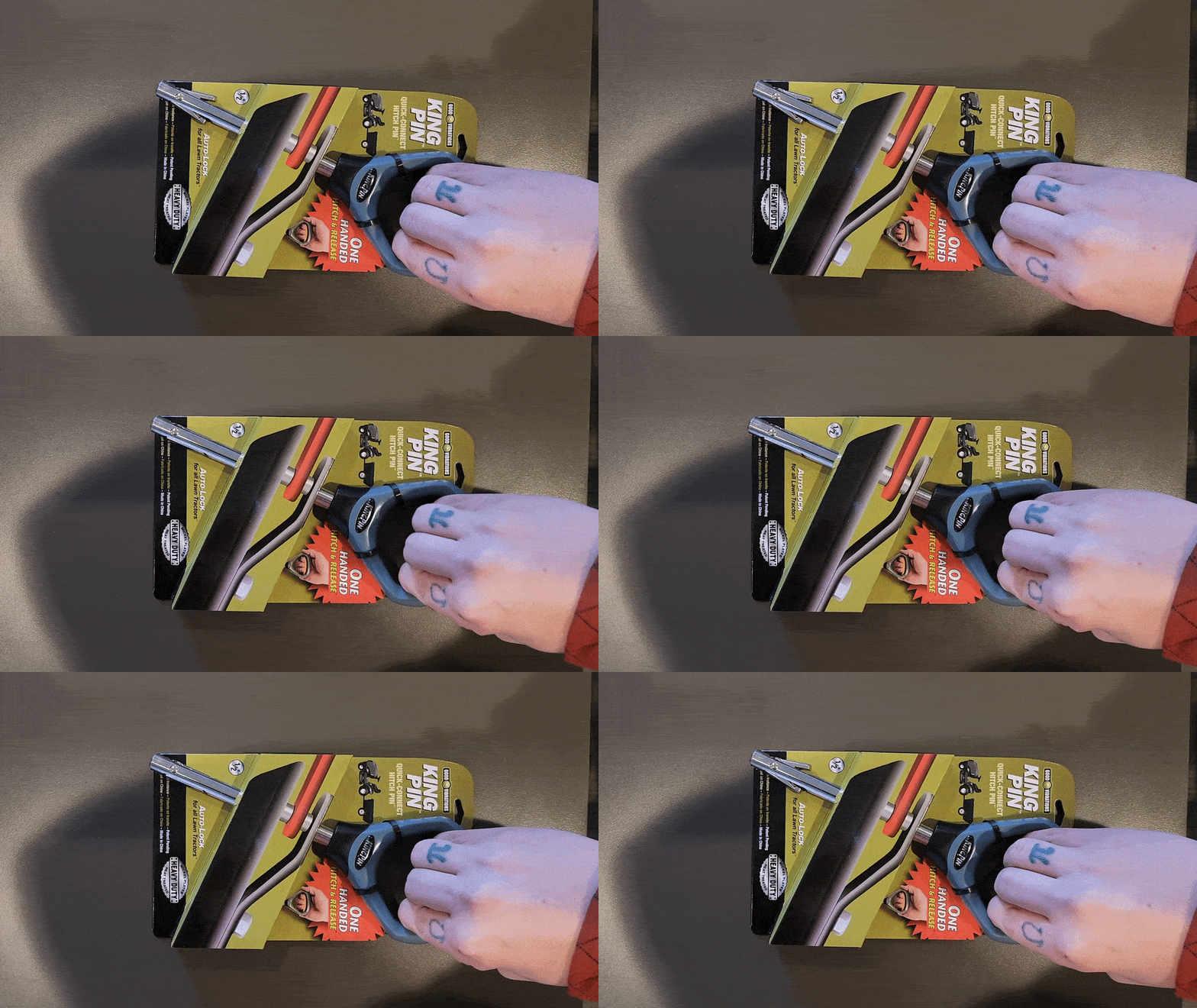
Plus, the butterfly-style locking mechanism is controlled by a trigger in the handle for easy, one-handed hitch and release. Overall, King Pin makes towing your dump cart, lawn sweeper, aerator, or dethatcher much more efficient with your mower or tractor.
If you're tired of re-seating the same pin every season — or replacing bent ones — the King Pin is worth a close look.
Discover King Pin Quick Connect Hitch Pin
Quick Reference: Hitch Pin Failure Causes and Fixes
|
Problem |
Likely Cause |
Fix |
|
Pin slides out during use |
Loose cotter pin or clip not fully engaged |
Reinstall with correct clip; consider a locking pin |
|
Pin bends after one season |
Undersized or low-grade pin; loose fit in receiver |
Upgrade to a properly rated, tight-tolerance pin |
|
Pin breaks under load |
Shear stress exceeds pin's rating |
Use a pin rated for your load; check attachment weight |
|
Pin loosens gradually |
Vibration working cotter pin free |
Switch to a locking or quick-connect style pin |
How to Keep Your Hitch Pin From Falling Out
A hitch pin that keeps falling out or breaking is a symptom.
The root cause is almost always one of four things: Installation error, vibration, shear stress, or bending from a loose fit. Actually understanding which one you're dealing with should point you directly to the right fix.
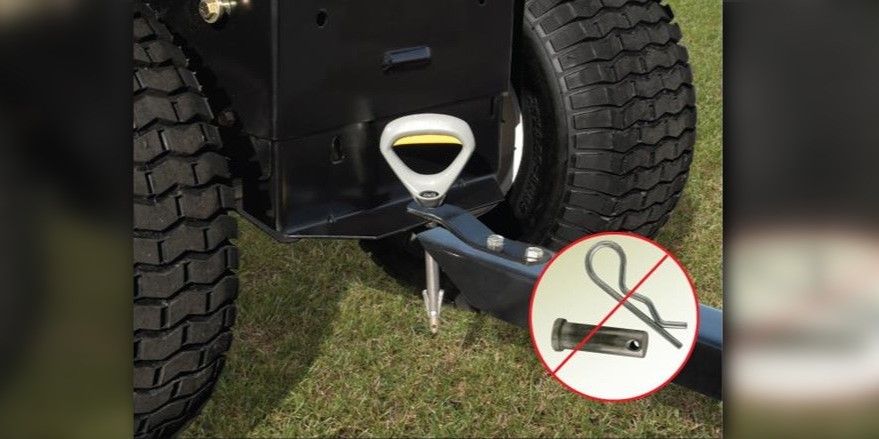
For most lawn and garden towing situations, the upgrade from a generic cotter-pin setup to a quality quick-connect hitch pin is the single biggest reliability improvement you can make — not to mention one of the cheapest, relative to the cost of what you're towing.
