
Sep 17, 2026
Share:
Subscribe now and get our latest blog and video content delivered straight to your inbox.
Sep 17, 2026

TL;DR: Wasps, especially yellowjackets, get more aggressive in late summer and fall as their food sources shift and colonies start to collapse. They're drawn to sugar, garbage, and gaps around your home, including your firewood stack. The best long-term fix isn't a spray, it's sealing off the entry points before they move in.
Research on public perception consistently shows the same pattern: Bees are widely appreciated, while wasps are almost universally disliked or feared.
A few traits might explain the gap:
- Painful, repeatable stings: Honeybees die after stinging once. Wasps don't, and they'll sting more than once
- Aggressive late-summer behavior: Social wasps get territorial and bold as the season winds down, often showing up to human gatherings uninvited
- Nests close to home: Wasps frequently build under eaves, on porches, or in lawns, right where homeowners are likely to disturb them
- No sweet payoff: Bees make honey, while most wasps are carnivores or scavengers that don't offer humans much in return
This sentiment rings especially true for yellowjackets: When one is killed, it releases a pheromone that can draw more of the colony toward the area, which is part of why the National Park Service recommends avoiding them rather than swatting at them.
Why Wasps Get Worse in the Fall
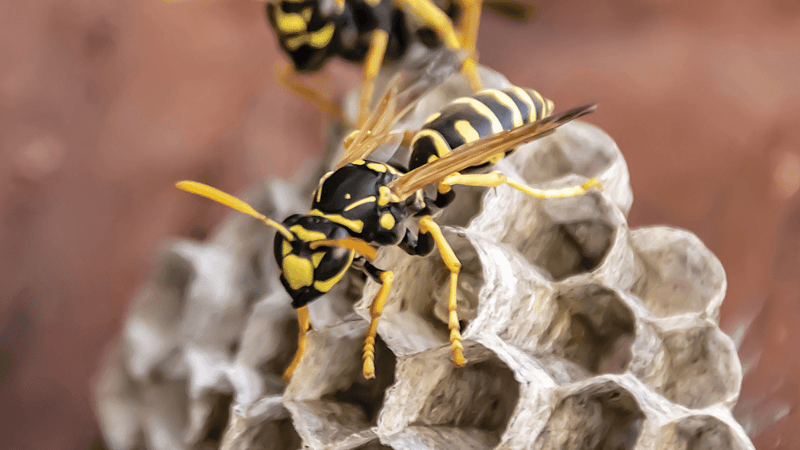
It starts each spring with a single queen, larger than the workers that follow, emerging from hibernation to build a small paper nest and lay her first eggs. Worker daughters take over building, defending, and expanding the nest while the queen focuses on laying more eggs.
According to Ohio State University Extension, by early summer, a colony can already have 4,000 to 5,000 workers. By late summer they can have up to 10,000 to 15,000 cells.
Through most of the season, workers trade the insects they catch for a sugary secretion produced by the larvae, a built-in food source for the colony. As fall approaches and the colony produces fewer larvae, workers start seeking alternative sugar sources, becoming more noticeable around picnics, garbage cans, sugary drinks, and even flowery clothing or perfume in search of food.
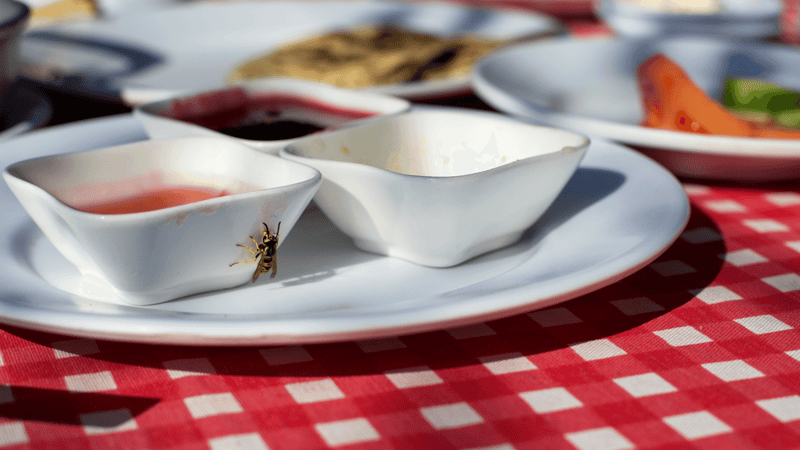
That shift is also why wasps can travel farther than people expect. Depending on the species, yellowjackets may forage hundreds of yards from their nest, so the ones showing up at your cookout aren't necessarily coming from your own property.
As the first hard freezes arrive, the cycle resets. New queens and drones mate and leave the nest, the fertilized queens find shelter to overwinter, and the old queen, workers, and drones die off. A new queen may return to the same favorable spot the following spring, but she'll always build a fresh nest.
Are Yellowjackets Dangerous?
Yellowjackets rarely cause structural damage, but they will nest in attic and wall voids, and their stings are painful and can be dangerous for anyone with an allergy.
Because they're more aggressive than most wasps once disturbed, they're generally considered the higher-risk species to have nests on or near a home.
Wasps Aren't ALL Bad
Before writing wasps off completely, it's worth knowing what they do for a yard: Wasps prey on flies, caterpillars, and other common garden pests. If you're dealing with a different insect problem, wasps are technically doing you a favor.
That said, most homeowners don't want either problem. Wasps solving a bug issue in the yard is one thing; wasps nesting under your porch or getting into your house is another.
When Do Wasps Go Away?
Wasp activity follows a predictable seasonal pattern:
|
Season |
What's Happening |
|
Spring (Mar-May) |
Surviving queens leave hibernation and start new nests |
|
Summer (Jun-Aug) |
Colonies grow rapidly, activity peaks |
|
Late Summer/Early Fall (Sept-Oct) |
Food sources dwindle, workers get more aggressive and visible |
|
Late Autumn (Oct-Nov) |
The colony collapses, workers and the old queen die off |
|
Winter (Dec-Feb) |
New queens hibernate in protected spots, old nests sit empty |
How to Keep Wasps Out of Your Home
Traps and sprays
These handle the wasps you can see right now, but they don't stop new ones from finding the same nesting spot next season. For lasting results, they work best alongside wasp exclusion, not as a replacement for it.
Exclusion: The long-term fix
Exclusion is about closing the gaps wasps look for before they move in.
- Inspect your home's perimeter in early spring for gaps or cracks around the foundation, siding, soffits, and window or door frames
- Check your firewood stack, too. Firewood can provide protected shelter for wasps, including overwintering yellowjacket queens. Store firewood away from the house, preferably on an elevated rack, and inspect logs before bringing them indoors
- Seal unnecessary gaps and penetrations with appropriate exterior-rated materials like HY-GUARD EXCLUSION® Pest Armor® cut to fit “flat panels,” and repair damaged siding, loose trim, or rotting wood that creates access to concealed cavities. Never block openings for required ventilation or drainage
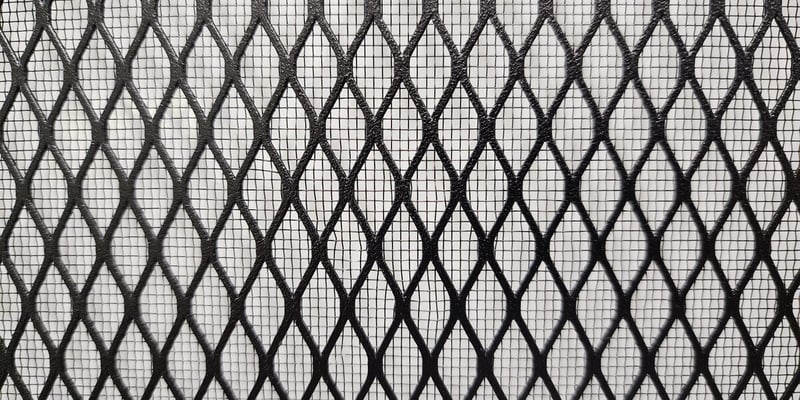
- Screen access points with material fine enough to block insects but open enough to maintain ventilation. HY-GUARD EXCLUSION Foundation and Soffit Vent Screens with InsectArmor™ are designed to help block insects and nuisance wildlife while maintaining ventilation when properly selected and installed
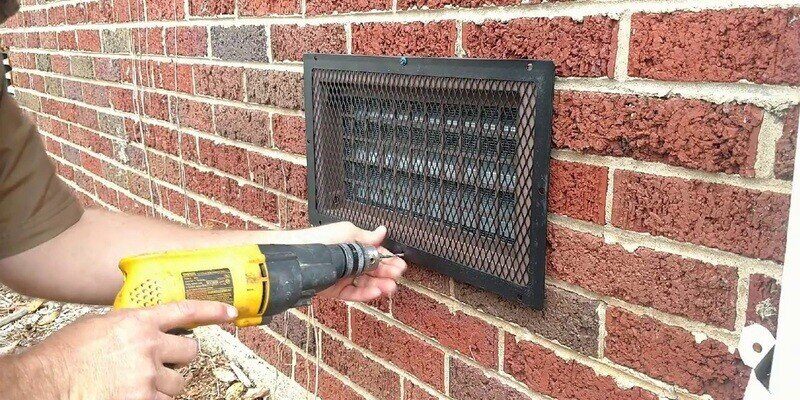
One caution: Never seal an active nest entrance. Blocking the exterior entrance to a nest inside a wall or attic can cause yellowjackets to seek another exit, potentially entering the home's living space. Have the colony professionally treated and confirm activity has stopped before completing exclusion repairs.
A few more habits that help
- Use folk remedies with reservations, or at least run them by a local pest professional first
- Don't swat at wasps; they're built to fight back
- Use food covers when eating or cooking outside
- Pour drinks into a cup instead of drinking straight from a can outdoors
- Keep the yard tidy to reduce places wasps can settle in
Wasp and Yellowjacket FAQs
What's the difference between wasps and yellowjackets?
Yellowjackets are a specific, especially aggressive type of wasp. All yellowjackets are wasps, but not all wasps are yellowjackets; paper wasps, for example, tend to be less aggressive and less likely to sting repeatedly.
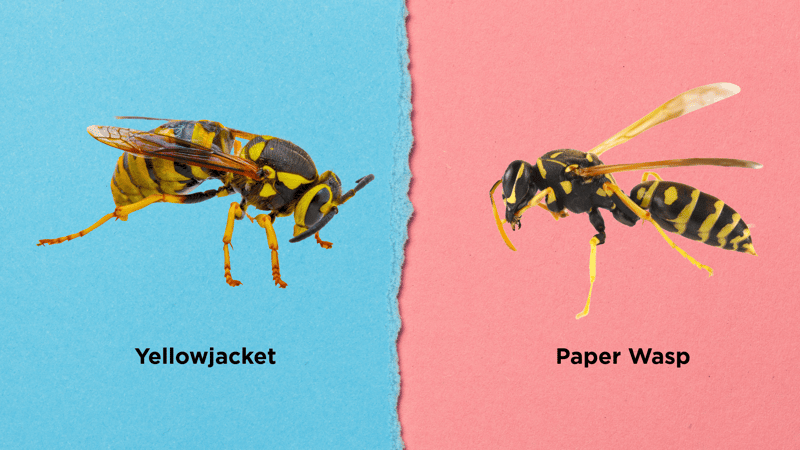
Positive identification is usually recommended before taking further action.
Why are wasps worse in September and October than in June?
Their natural food source from larvae secretions drops off as the queen lays fewer eggs, sending thousands of workers out searching for sugar at the same time humans are eating and drinking outdoors.
Can firewood storage attract wasps?
Yes. Gaps between stacked logs can mimic the cavities ground-nesting yellowjackets and paper wasps look for. Using an elevated log rack instead of a loose woodpile reduces those hiding spots.
Do wasps reuse the same nest every year?
No. Nests are abandoned each winter and are never reused, even if a new queen builds nearby the following spring.