

Jan 26, 2026
Share:
Subscribe now and get our latest blog and video content delivered straight to your inbox.
Jan 26, 2026
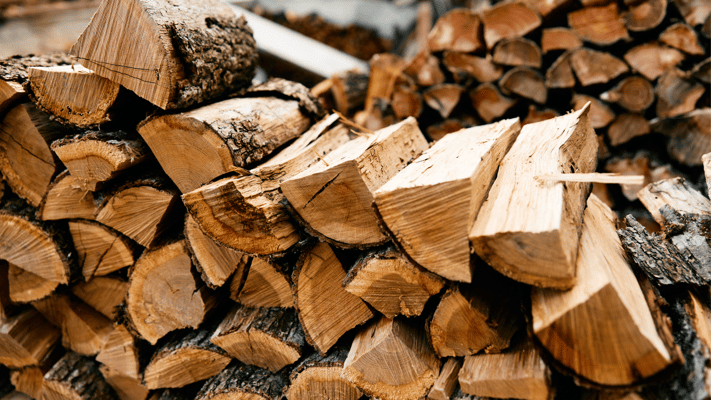
Let’s be honest: Burning and buying wood can be downright confusing. Between all the jargon and countless options, it can be hard to know where to begin.
You might have heard about green wood and kiln-dried wood, perhaps even from our other blogs, the most familiar type of firewood is probably seasoned wood. Still, just because it’s common doesn’t mean everyone knows exactly what it is or why it matters.
That’s where we come in.
In this guide, you’ll learn what seasoned wood is, how it’s made, how it compares to green and kiln-dried wood, and why it has long been the traditional favorite for wood burners far and wide.
What is seasoned wood?
Seasoned wood, also known as air-dried wood, is firewood that has been cut, split, and left to dry for an extended period so that its moisture content is significantly reduced.
According to a University of Missouri Extension publication we often reference, one pound of freshly cut Missouri wood is approximately 57% dry wood and 43% water. The U.S. Environmental Protection Agency, on the other hand, recommends firewood be below 20% moisture content for clean and efficient burning.
That gap between “freshly cut” and “ready to burn" is precisely why seasoning is necessary.
How is seasoned wood made?
The seasoning process is simple, but it requires time and proper setup. It can be broken down into four key parts:
- Splitting the wood: This exposes more surface area to open air, allowing moisture to escape faster
- Stacking the wood: When done correctly, air can flow in, out, and around the pile, and elevation with a log rack or DIY creation helps prevent ground moisture from re-entering the wood
- Covering the wood: Shielding the top of the stack protects it from rain and snow, while keeping the sides open maintains airflow
- Storing the wood: Depending on the species and initial moisture content, most firewood requires six to twelve months (or sometimes longer) to season properly
Following these steps transforms freshly cut, wet wood into seasoned firewood that burns hotter and more efficiently. It’s a straightforward process, but it does require patience.
Key characteristics
Seasoned wood has several telltale traits:
- Low moisture content: Typically below 20%, with around 15-20% considered ideal by the EPA
- Lighter weight: Water adds significant weight, so seasoned wood feels noticeably lighter than green wood
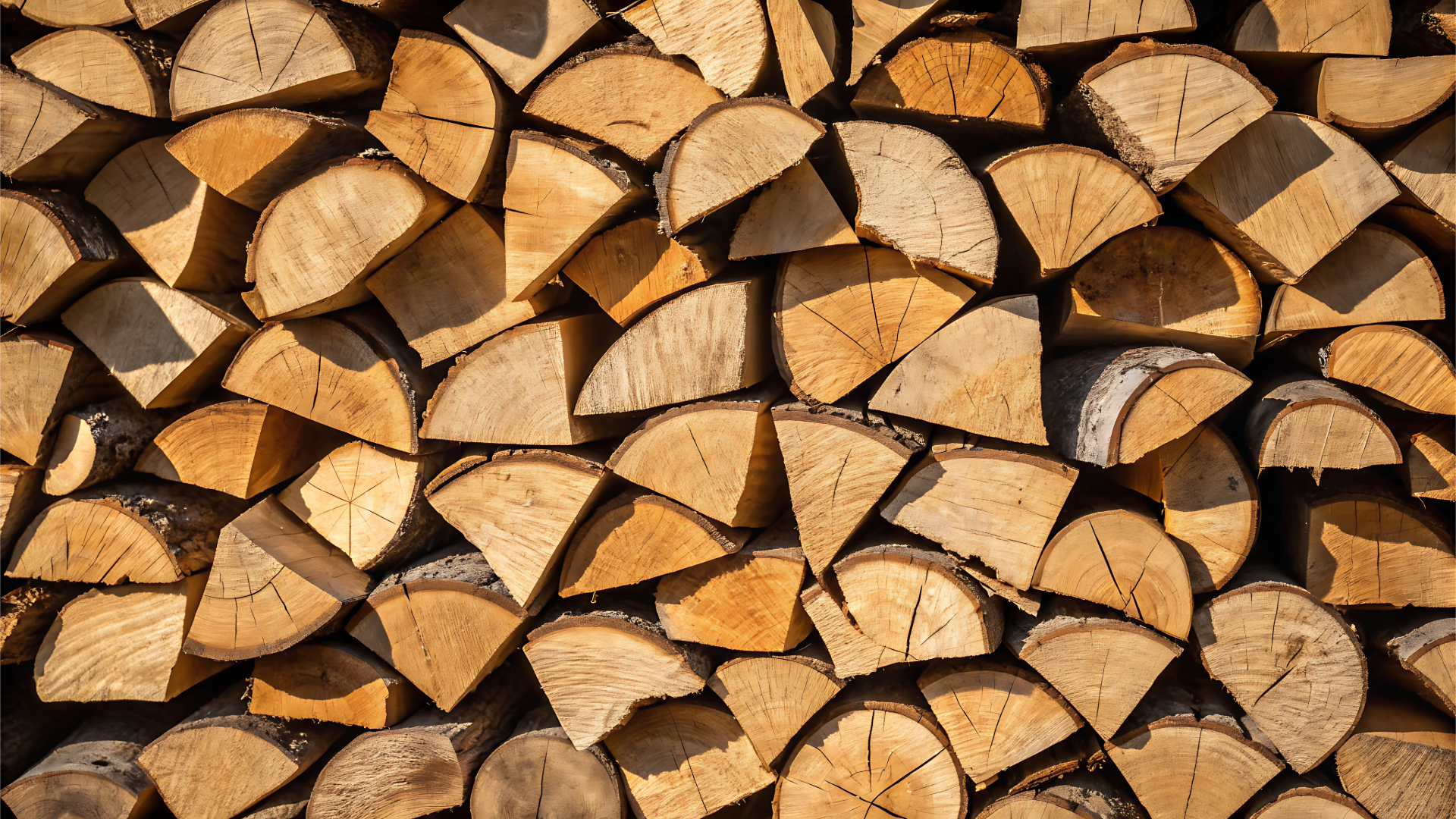
- Weathered appearance: Ends often appear gray, bark may loosen or fall off, and visible cracks (called checking) form from the center outward
- Distinct sound: When struck together, seasoned wood makes a sharp, hollow clunk or clink, while wet wood produces a dull thud
- Dry smell and feel: The strong, sappy scent of fresh wood fades to a mild woody aroma, and the interior feels dry to the touch
Bonus: How to tell if firewood is truly seasoned
If you want to be certain your wood is seasoned, the most reliable method is using a moisture meter. Split a log and test the freshly exposed center, and readings below 20% will indicate properly seasoned wood.
Pros and cons
Pros:
- Cost-effective: Typically cheaper than kiln-dried wood, especially if you season it yourself
- Steady, long burn: Lower moisture allows for a consistent burn that often lasts longer than kiln-dried wood by volume
- Eco-friendly: Uses natural air drying rather than energy-intensive kilns
- Good heat output: Burns hotter than green wood since less energy is wasted evaporating water
- Pleasant aroma: Produces a natural, enjoyable smell of wood-burning
Cons:
- Time-consuming: Requires 6-12 months (or more) to season properly
- Storage requirements: Needs space, airflow, and protection from excess moisture
- Variable quality: Some sellers advertise “seasoned” wood that isn’t fully dry
- Slower ignition: Takes longer to light than kiln-dried firewood
- Risk of pests or mold: Improper storage can attract insects or cause mold growth
- Smoke and creosote risk: If not fully seasoned, burning can produce excess smoke and chimney buildup, or creosote
Should you burn seasoned wood?
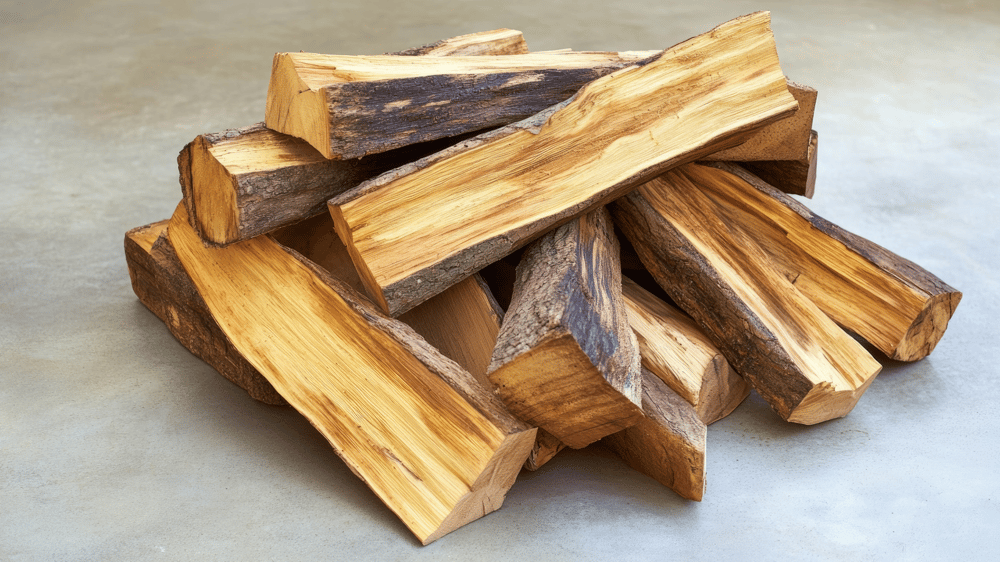
Yes, seasoned wood is usually the best choice for most wood burners.
It has long been the traditional and popular option thanks to its availability, affordability, and improved performance over green wood. While kiln-dried firewood is gaining popularity as a cleaner, faster-lighting alternative, seasoned wood remains a tried-and-true selection that balances cost, heat output, and burn time.
If you don’t cut and season wood yourself, seasoned firewood can be found at local firewood suppliers, tree services, landscapers, farms, online retailers, and even gas stations. Many sellers offer cords, face cords, and even smaller bundles with delivery or pickup options, too.
For the best results, though, always look for sellers advertising “seasoned” or “air-dried” hardwood. Don’t hesitate to ask how long the wood has been stored — or test it yourself with a trusty moisture meter.