
Dec 19, 2025
Share:
Subscribe now and get our latest blog and video content delivered straight to your inbox.
Dec 19, 2025
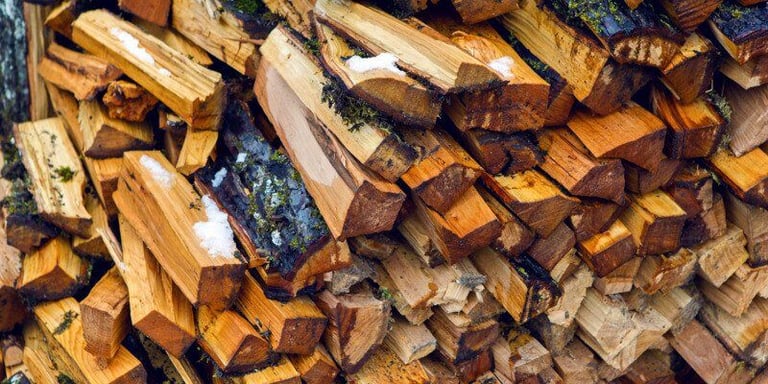
If you’re new to wood heating, understanding basic firewood terminology can make a big difference in how warm, safe, and efficient your home feels.
One term you’ll hear often when buying or burning firewood is green wood. It’s frequently mentioned — and just as frequently misunderstood.
Whether you’re a wood-burning wannabe or not, if you’re hoping to learn about green wood, you’re in the right place. This guide explains what green wood is, how it compares to other types of firewood, and why it’s usually a poor choice for home heating.
What is green wood?
Green wood is freshly cut wood that has not yet dried. Because it still contains a large amount of water, it’s also commonly called:
- Wet wood
- Unseasoned wood
- Uncured wood
The term green refers to the wood’s fresh, undried state — not its color — though it often looks damp or feels cool to the touch.
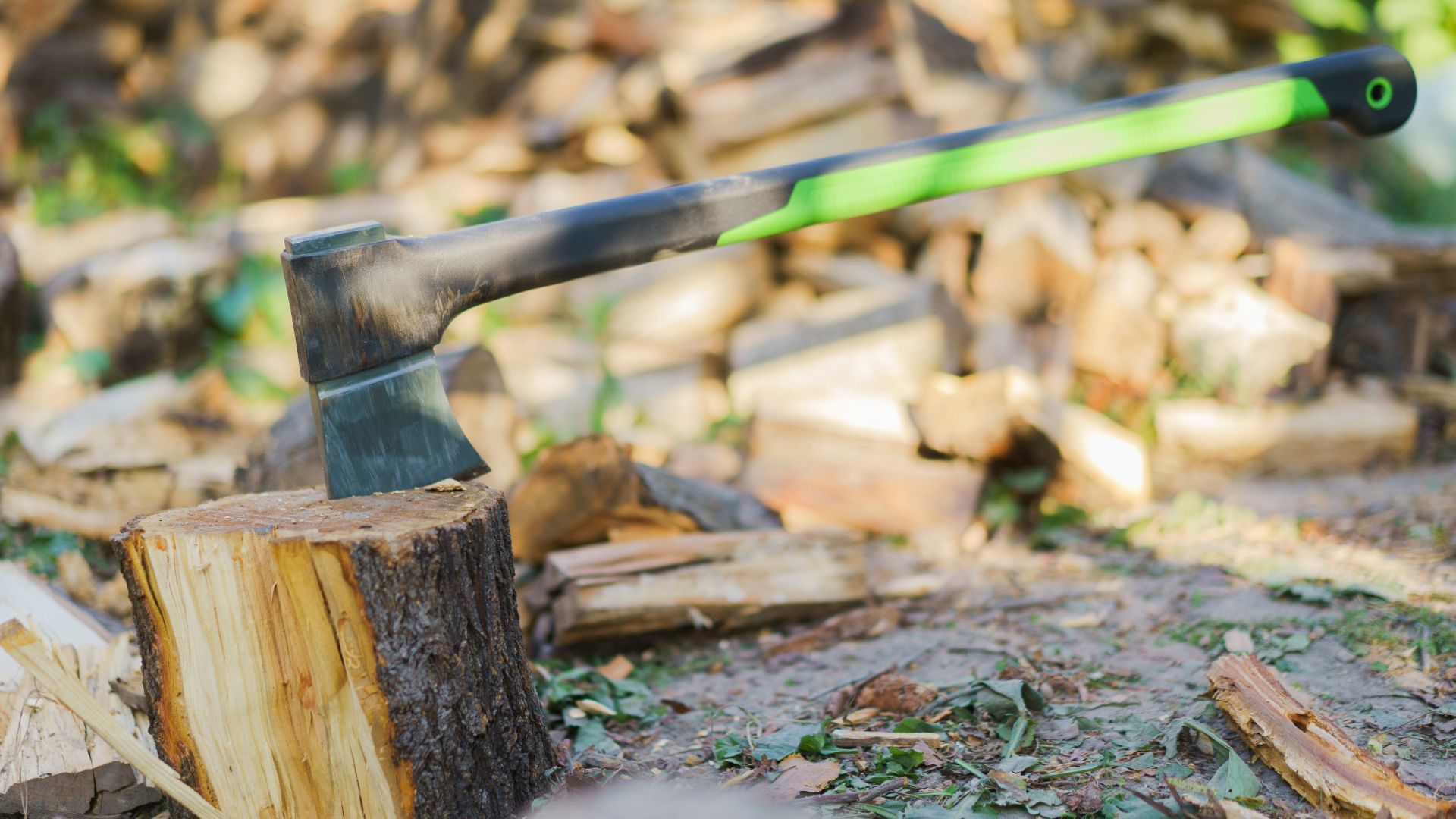
Unlike seasoned firewood, which has been air-dried for months, or kiln-dried logs, which are dried in a controlled environment, green wood hasn’t had time to lose its internal moisture.
Key characteristics of green wood
Green wood behaves very differently from properly dried firewood.
- High moisture content: Often up to 50% water by weight, or more when freshly cut
- Heavy: Retains significant water weight
- Difficult to burn: Fire must evaporate moisture before combustion can occur
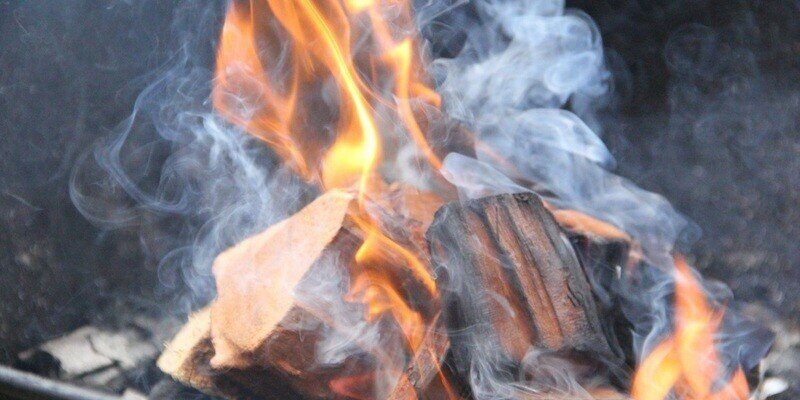
- Smoky: Produces thick smoke and popping or hissing as water turns to steam
- Low heat output: Much of the fire’s energy is wasted boiling off water instead of heating your space
These traits make green wood inefficient and frustrating for most wood-burning applications.
Should you burn green wood?
In most cases, no.
The EPA and wood-burning safety experts strongly recommend against using green wood for home heating.
Why burning green wood is a bad idea:
- Creosote buildup: High moisture leads to increased creosote deposits in chimneys, raising the risk of chimney fires
- Poor efficiency: More fuel is required to produce less heat
- Air quality concerns: Green wood releases more smoke, particulates, and pollutants indoors and outdoors
Are there exceptions?
Yes — but they’re limited. Some BBQ and smoking applications use small amounts of green wood (such as pecan) to increase smoke and slow burning. These controlled uses are very different from heating a home.
According to the Cornell Cooperative Extension, it’s also worth noting that much of the firewood sold commercially is green. For residential wood stoves and fireplaces, firewood should have a moisture content below 20%, which typically requires proper seasoning or kiln drying.
Pros and cons of green wood
Pros:
- Lower upfront cost: No drying time or processing
- Wider availability: More species options from local suppliers
Cons:
- High moisture content: Makes it hard to burn efficiently
- Low heat output: Requires more wood for less warmth
- Excessive smoke and emissions
- Creosote buildup: Increased fire risk
- Environmental and health concerns: Produces more pollutants
For home heating, the disadvantages far outweigh the savings.
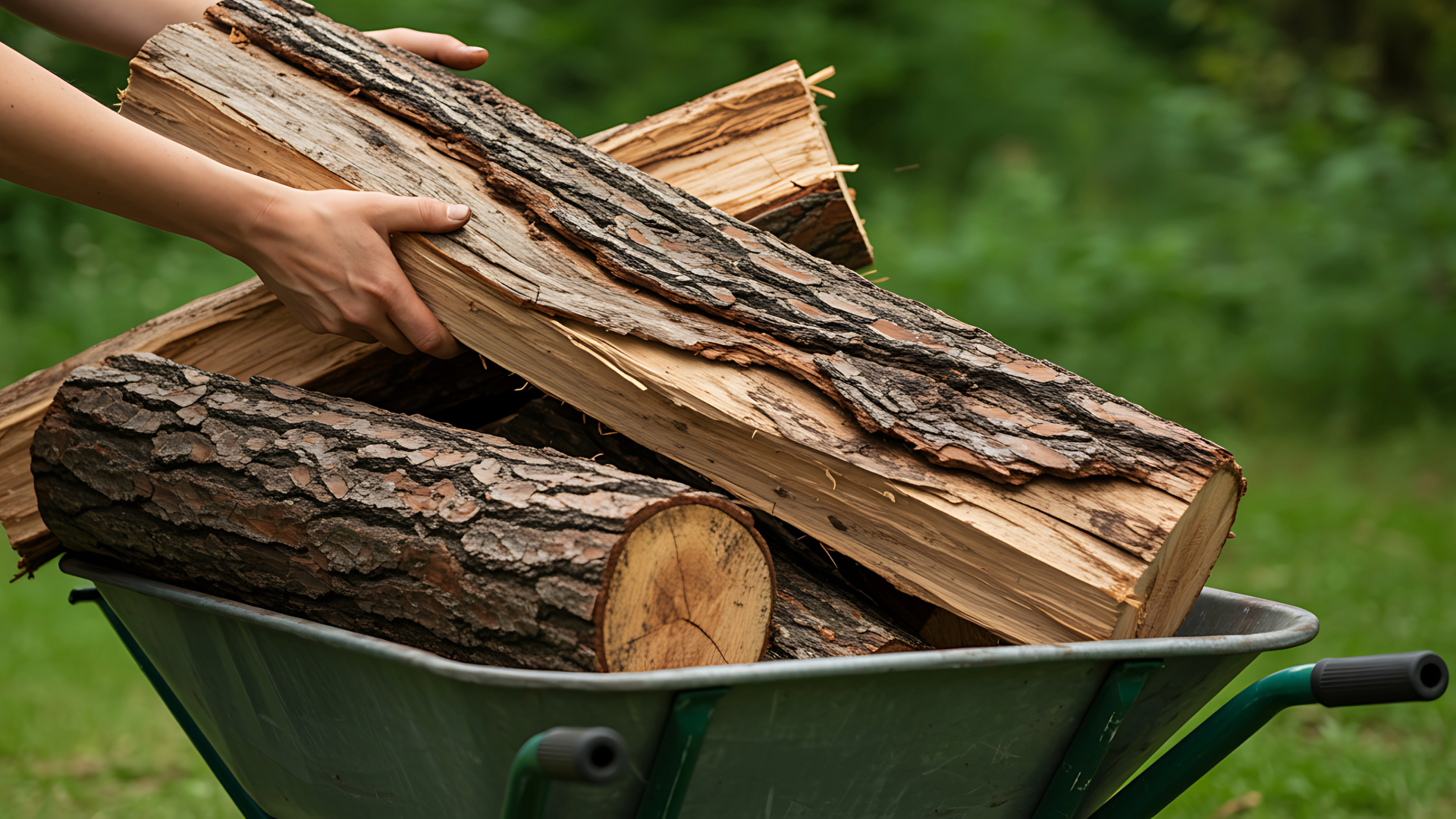
Green wood vs. seasoned or kiln-dried wood
Seasoned and kiln-dried firewood:
- Low moisture content
- Higher heat output
- Cleaner, safer burn
- More expensive, but far more efficient
Green wood:
- Cheaper upfront
- Inefficient and potentially dangerous
- Poor choice for most wood-burning systems
For safer, cleaner, and more effective wood burning, always choose properly seasoned or kiln-dried firewood.
