

Dec 26, 2025
Share:
Subscribe now and get our latest blog and video content delivered straight to your inbox.
Dec 26, 2025

Purchasing firewood shouldn’t be stressful.
Sitting around a fire pit toasting marshmallows and telling spooky stories isn’t stressful. Admiring perfectly placed stockings above a glowing fireplace isn’t stressful, either. Even relaxing in a wood-stove-heated home while cold winds howl outside feels just right.
So, why should buying the wood itself be such a hassle?
No matter what you’re fueling, odds are, you want the right amount of wood at the highest quality and the fairest price. But with confusing measurements, inconsistent log lengths, unpredictable pricing — and plenty of opportunities for misunderstandings — it’s easy to feel unsure about what you’re really getting.
HY-C has been around since 1947, and our experience safely burning and storing firewood gives us a clear understanding of what to look for when buying firewood.
Put simply, what is a cord?
A cord is the standard unit for measuring firewood.
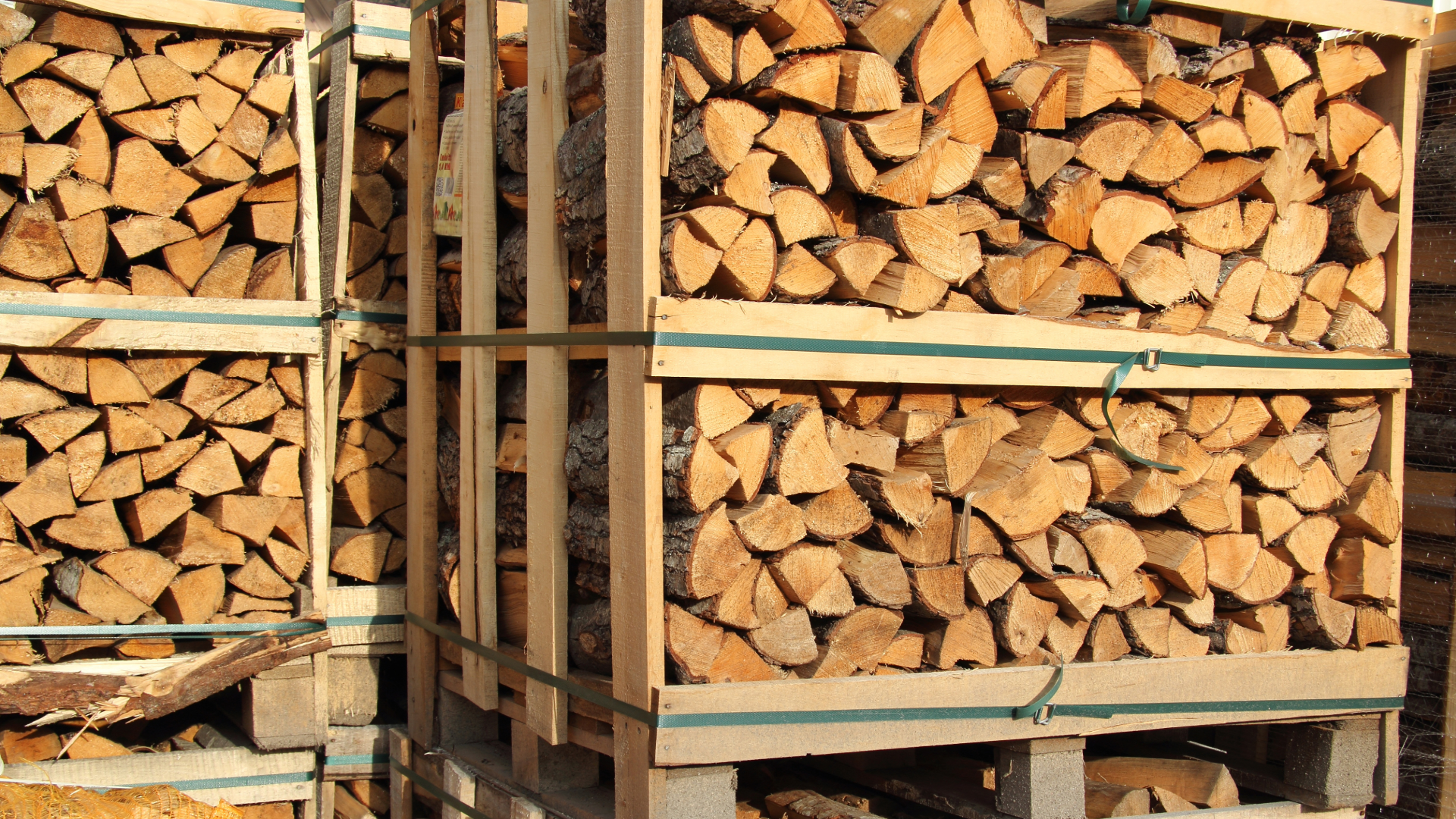
A true cord is a tightly stacked pile measuring 4 feet high, 4 feet deep, and 8 feet long, totaling 128 cubic feet of wood. The weight and number of logs can vary, but the volume does not.

Most people buy fractions of a cord:
- Half cord: 64 cubic feet (4' × 2' × 8')
- Face cord: About 42⅔ cubic feet (4' × 8' with approximately 16" logs)
- Quarter cord: 32 cubic feet
- Half face cord: Just over 21 cubic feet
Because a face cord’s depth depends on log length, the actual volume can vary. Always ask how long the logs are — two face cords aren’t necessarily the same amount of wood.
Before buying, also think about what log length works best for your setup:
- What size firewood can your stove handle?
- How large is your fire pit, and how is it designed?
- How will you move, stack, and store the wood?
In the end, the right firewood is the amount and the length that fits your space and how you’ll use it.
Pricing and factors
According to HomeAdvisor, a full cord of firewood averages around $300, with typical prices ranging from $150 to $500 depending on several factors:
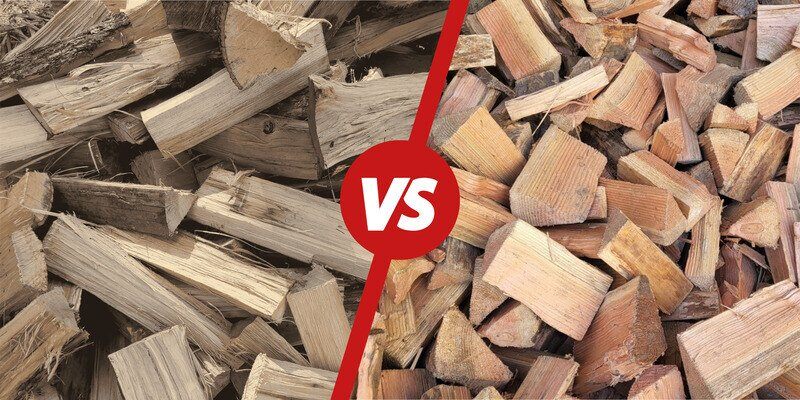
- Hardwoods (oak, maple, birch) burn hotter and longer but cost more
- Softwoods (pine, spruce, cedar) ignite easily and cost less but burn faster
Seasoning:
- Seasoned or kiln-dried wood burns cleaner and more efficiently
-
Green wood (AKA freshly cut wood) costs less but requires up to two years to dry properly
Delivery & stacking:
- Generally, it’s safe to expect $25-$75 for delivery and $25-$80 for stacking
Location & availability:
- Prices vary widely by region and demand
Pro tip: Buying in the off-season (early spring) or letting green wood season yourself can significantly reduce costs. Softwood can be tempting, but it burns quickly and can contribute to creosote buildup, so it’s not worth the trade-off.
Common misrepresentations and scams
Most firewood buying issues come down to quantity or quality.
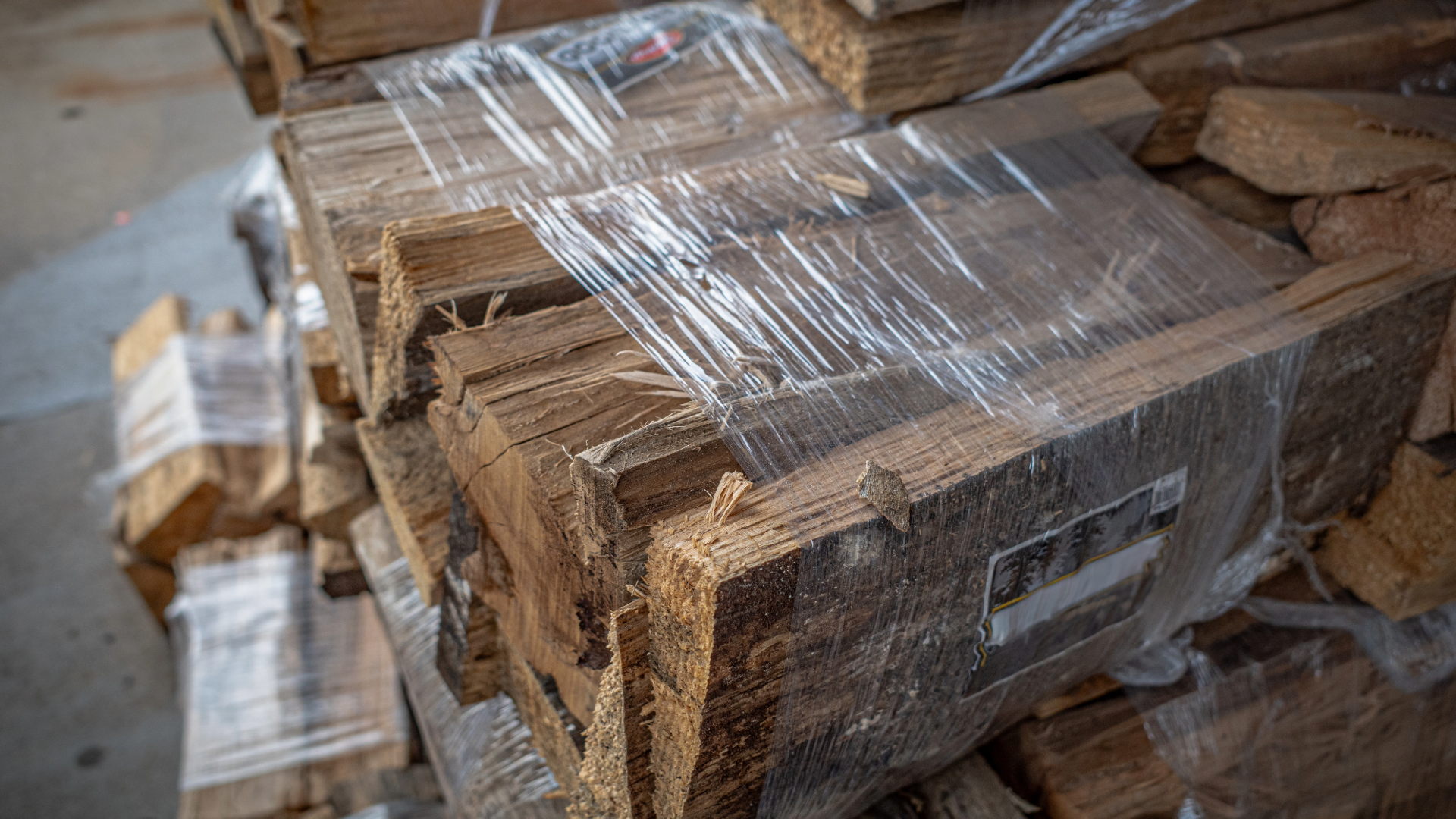
- Misleading measurements: Selling a “cord” that’s really a face cord or a loosely dumped pile
- Short stacks: Loose cords contain 20-30% less wood than tightly stacked ones
- Green wood sold as seasoned: Wet wood burns poorly and increases creosote buildup
- Wrong wood type: Softwood sold as hardwood, or mixed with treated or painted wood (both of which can be dangerous to burn)
- Log size issues: Oversized rounds, excessive limbs, or unsplit wood
Another thing to watch out for when buying firewood? Scams.
- Requests for prepayment via Zelle, PayPal, or similar apps
- Vague answers about measurements or wood type
- Refusal to let you inspect the wood before unloading
Pro tip: Inspect both firewood and dealer before paying. If the firewood is not what was promised or something seems fishy, reject it.
Other tips for choosing the right firewood
No matter how much firewood you plan to buy, a few final checks can help ensure you get safe, efficient, and stress-free burns all season long.
Choose seasoned or kiln-dried wood:
- Firewood should have a moisture content between 15-20% for clean, efficient burning
- Properly seasoned wood has been air-dried for at least 6-12 months, while kiln-dried wood is ready to burn immediately
- Avoid green wood unless you have the time and space to let it dry for a year or more
Match the wood type to your needs:
- Hardwoods like oak, hickory, and maple are denser and burn hotter and longer, making them ideal for primary heat sources and wood stoves
- Softwoods such as pine or spruce ignite easily and burn faster, which can make them better for kindling or occasional fires
Confirm log length before buying:
- Standard firewood is usually cut to about 16”, but that’s not universal
- Measure your firebox or stove and buy logs that are 1-2” shorter than its depth and width to ensure proper airflow and easy loading
Check how the wood will be stacked:
- Volume is only accurate when firewood is tightly stacked. Knowing the stack dimensions — and not just the name of the cord — helps you confirm you’re getting the amount you’re paying for
Pro tip: If you’re unsure, don’t hesitate to ask questions or seek a second opinion. Reputable firewood dealers, university extension services, hearth product shops and experienced home-heating experts can all help you verify volume, moisture content, and wood type.
Check the dimensions, check the dryness, and check the fit. Reducing the variables and uncertainty in your wood buying process increases the enjoyment of your fire.
