
Jan 30, 2026
Share:
Subscribe now and get our latest blog and video content delivered straight to your inbox.
Jan 30, 2026

There may be no more nerve-wracking moment to start a home renovation than right now.
Between packed schedules, soaring construction and maintenance costs, and a shrinking pool of available contractors, homeowners already have plenty to weigh before pressing “go.” Tariffs only add another layer of uncertainty.
President Trump’s tariffs on construction materials and building supplies touch nearly every corner of a renovation. At present, they include:
- 25% levies on certain imported upholstered furniture, kitchen cabinets, and vanities
- Up to 50% tariffs on metal components like aluminum, steel, and copper
- 10% tariffs on all timber and lumber imports, which, when added to existing duties on Canadian softwood, result in combined rates over 45% for Canadian lumber
What makes the situation especially unsettling is how quickly everything can change. These tariffs arrived abruptly, and they could just as easily disappear. Or increase.
That unpredictability alone is enough to make anyone hesitate.

As a result, many homeowners are stuck in limbo, debating whether to move forward now or wait for conditions that could be better — or worse — down the line. Still, as Rachel Wharton outlines in her New York Times article “Don’t Let Tariffs Ruin a Renovation,” there are a few practical ways to limit the impact and keep renovation plans moving forward.
Don’t postpone
A 2025 survey by Guardian Service found that 71% of homeowners postponed renovations or repairs due to economic uncertainty. Nearly half (49%) admitted delays may have compromised their home’s safety.
As Wharton notes, while it’s tempting to wait for tariffs to drop, costs rarely decrease.

Importers are quick to raise prices when costs rise but slow to lower them later, since falling prices can hurt profits and signal economic trouble. Government and Federal Reserve policies aimed at lowering inflation can inadvertently keep prices rising. Tariffs on imports raise costs that companies typically pass on to consumers — and don’t often retract.
If you’ve been considering a home renovation, now may be the time to act.
Form a plan
Having a clear, detailed plan is crucial for any major project. Economic conditions change quickly, so Wharton advises making decisions promptly, even for small items. Ordering early or making deposits can help lock in prices.
Consulting experts — designers, contractors, or even toll-free manufacturer phone numbers like ours at HY-C — can make the process smoother and reduce costly surprises.

Buy in advance
Once your plan is in place, purchasing materials and appliances early can save money and prevent delays.
Buying as you go (AYG) offers flexibility, avoids storage issues, and ensures items fit, while buying in advance (BIA) locks in deals and helps project planning. A smart strategy combines both: purchase major, expensive items early and smaller, flexible materials as you go.
Consider domestic or used
Used or American-made products can be cost-effective without sacrificing quality. Wharton suggests homeowners may need to explore these options.
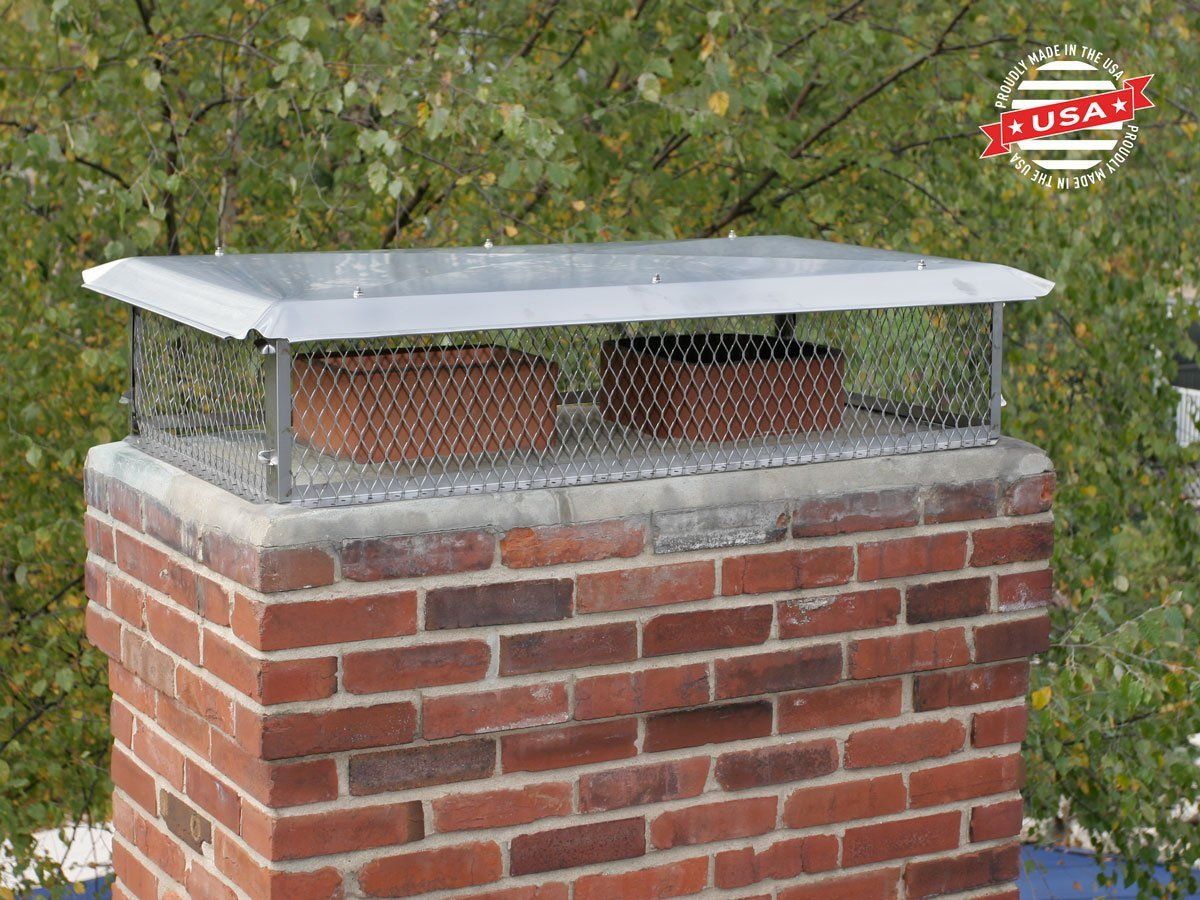
At HY-C, roughly 85% of our products are American-made in St. Louis, Missouri, crafted for durability and performance. We’re firm believers that quality home solutions can improve both the look and function of your home.
Create a renovation savings account
Setting aside a dedicated savings account may seem excessive, but it ensures funding is available when needed.
A common guideline is the 30% rule: spend no more than 30% of your home’s market value on renovations, especially for major projects like kitchens or bathrooms. For smaller updates, adjust accordingly. Wharton recommends avoiding minor “refreshes” unless critical, and focusing resources on significant, high-value renovations.
Investing wisely now prevents more expensive fixes later. Generally, it’s better to be safe than sorry.
The future of home renovations
A survey by G&S found that updating to a preferred design style is the top reason homeowners renovate (54%), followed by necessary repairs (19%) and preparing to sell (16%). Gen Z and Millennials tend to prioritize design style updates, but Baby Boomers lead in the category, with nearly two-thirds renovating for that reason.
Affordability is a key factor in renovation decisions, though, as 44% of homeowners cite cost as their main barrier
Despite the cost, acting now can deliver real benefits:
- Needs are met: Renovations create functional spaces like home offices, guest rooms, or multigenerational living areas — perfect for aging in place
- Comfort and enjoyment increase: Modern finishes, layouts, and features make a home more satisfying and enjoyable
- Health and safety improve: Updates to plumbing, electrical, and structural components can prevent major issues and enhance safety
A little planning and investment now can go a long way toward creating the home you want. Waiting could cost more than acting.
