
Jan 21, 2026
Share:
Subscribe now and get our latest blog and video content delivered straight to your inbox.
Jan 21, 2026
Affordability. It’s on everyone’s mind, especially when it comes to living arrangements.
Online searches for housing-related topics reached a two-year high in mid-2025, and for many Americans, the rising cost of buying, renting, or maintaining a home has become a top concern.
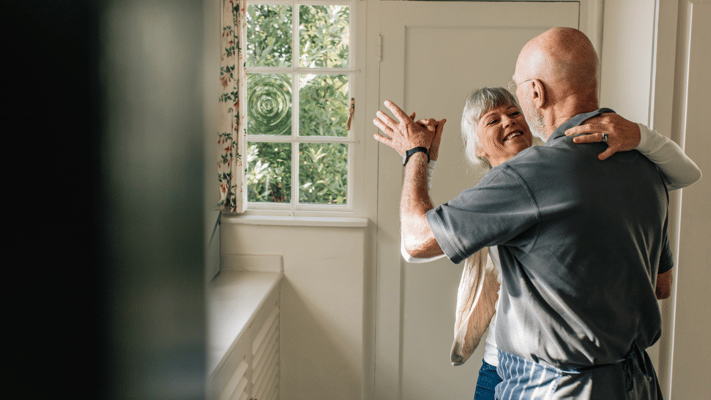
Out of these financial pressures, a clear trend has emerged: More older adults are choosing to stay in their current homes as they age. Known as aging in place, this decision isn’t just about comfort or familiarity. It’s increasingly driven by financial realities, safety considerations, and overall quality of life.
So, what is aging in place — and could it be shaping your future, too?
What is aging in place?
Aging in place refers to the ability of people to live safely and comfortably in their own homes as they grow older, with minimal disruption to independence and lifestyle. Achieving this can require home maintenance, targeted repairs, and modifications that improve accessibility and safety.

But while the desire to age in place is strong, preparedness often lags behind.
Estimates show roughly 77% to 84% of adults aged 50+ prefer to remain in their homes, yet only about 10% currently have homes fully adapted for aging-in-place needs. This gap between intention and readiness highlights a growing challenge for homeowners and communities alike.
Why aging in place matters now
Housing costs are high
The U.S. housing market remains volatile. Elevated mortgage rates, rising construction costs, and high home prices make relocating — or purchasing a new home — less appealing or feasible for many older adults.
- Average U.S. home value: ~$357,275
- Average rent: $1,901 per month
- Average annual costs of homeownership (taxes, utilities, maintenance): $24,529 in 2025, up from $17,958 the year before
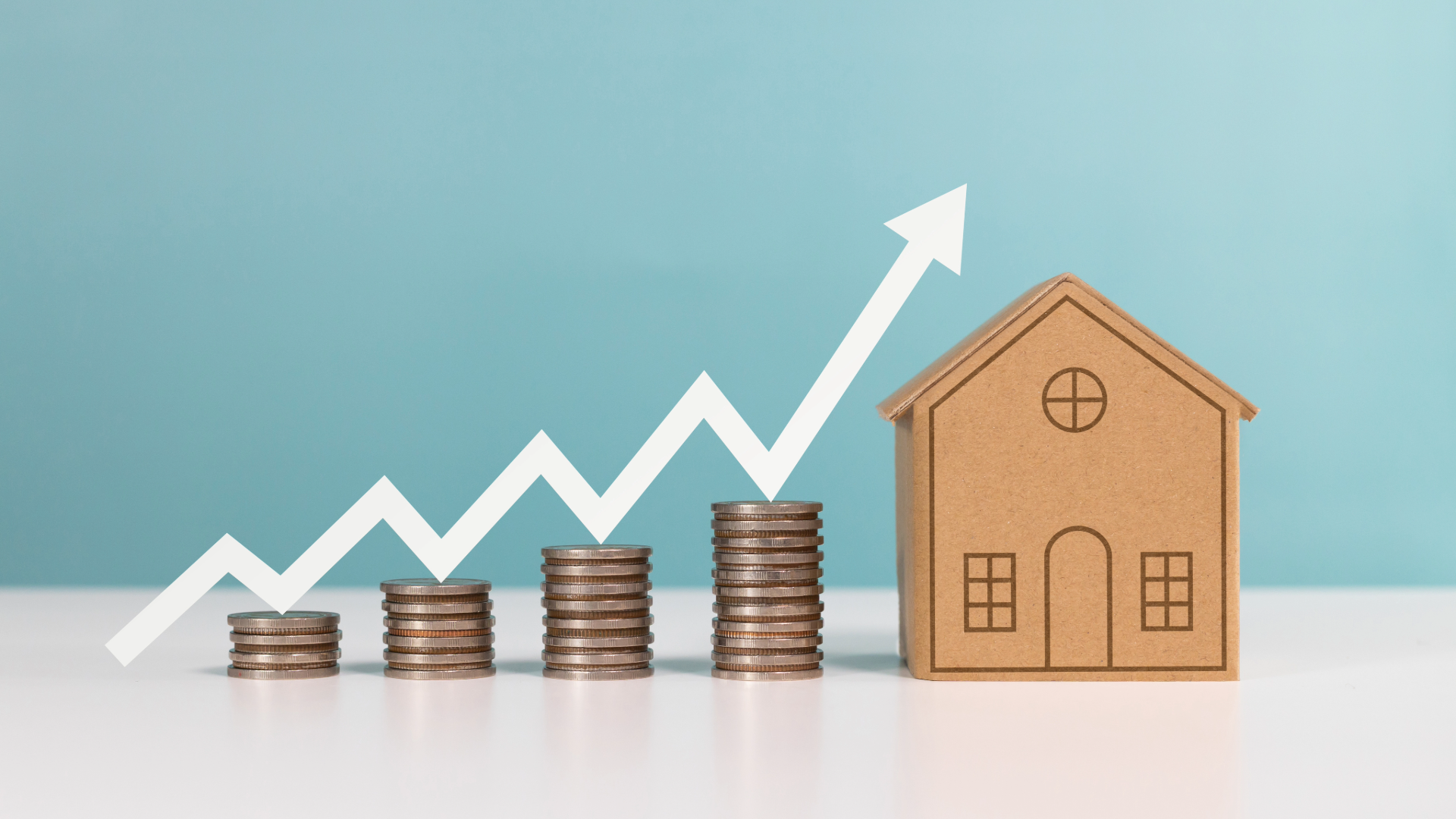
When healthcare, supervision, and daily living expenses are added to the mix, older adults — many living on fixed incomes — often feel significant financial strain. Senior living options can be even more expensive, with assisted living median costs estimated at $75,756 per year.
Staying in an owned home, especially if mortgage-free, can be a more affordable alternative.
The growing challenge: repairs and maintenance
While aging in place may reduce monthly housing costs, home repairs and modifications are becoming a barrier.
Rising costs and deferred maintenance
Homeownership expenses — including materials and labor — have climbed sharply in recent years. Core homeownership costs now average more than $21,000 per year, a figure many older homeowners did not plan for long-term.
As a result, a disconnect has emerged: Homes need repairs, but fewer homeowners can afford them.
1. Safety risks increase
Delaying repairs like leaky roofs, uneven flooring, faulty wiring, or poor ventilation may feel like short-term savings, but these issues can create serious safety hazards for older adults with mobility, balance, or health limitations.
2. Financial stress
Unexpected repairs often cost thousands of dollars. In one national homeowner survey, 46% of homeowners reported spending more than $5,000 out of pocket on unexpected home repairs in a single year. For older homeowners, these surprise expenses can drain savings or lead to high-interest debt.
3. Accessibility upgrades are hard to fund
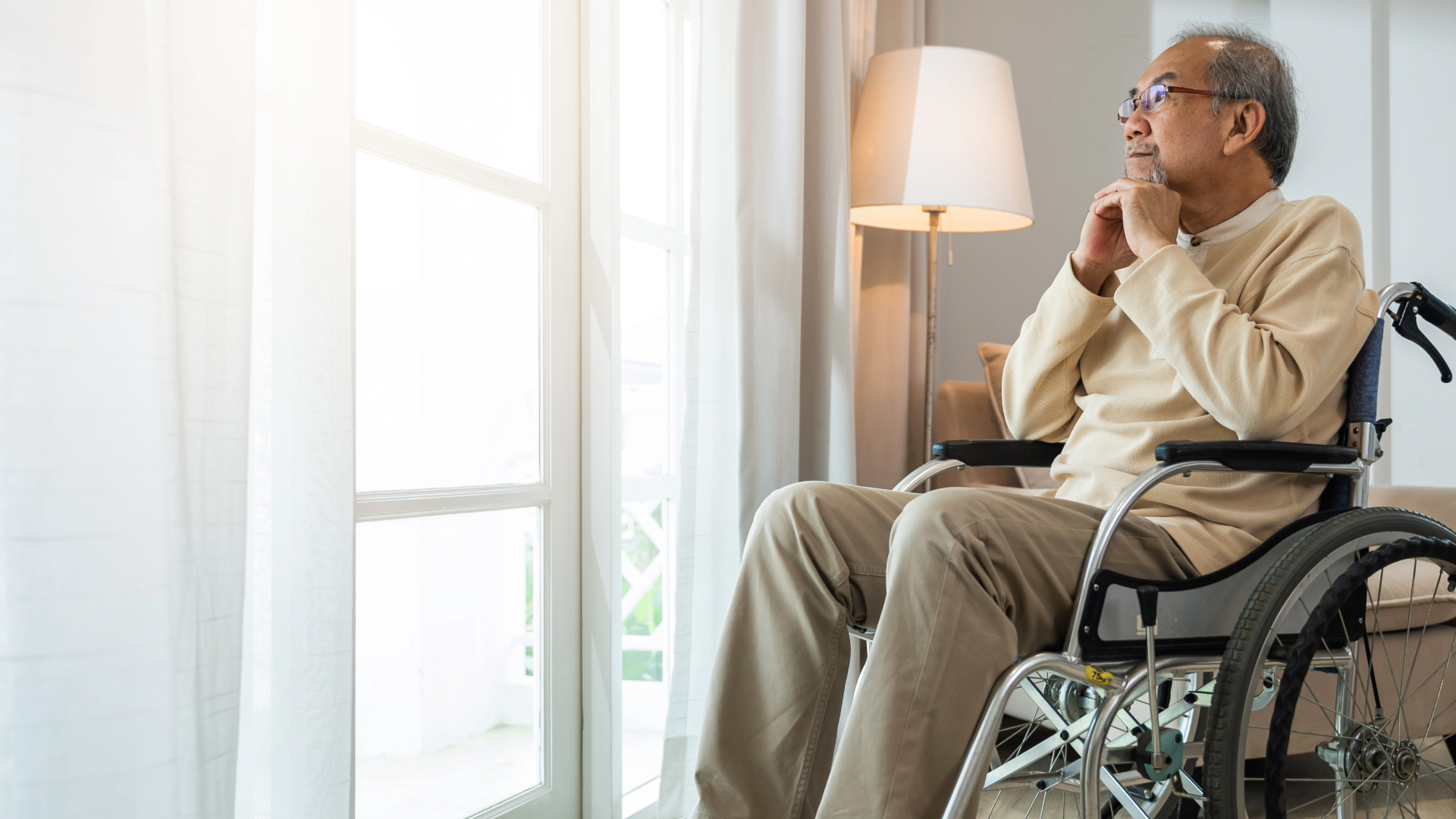
Aging in place frequently requires improvements like ramps, grab bars, or widened doorways:
- Simple accessibility upgrades: $125+
- Full wheelchair-accessible renovations: Up to $19,000 or more depending on scope and labor
When households are already struggling to keep up with basic maintenance, these necessary upgrades may be postponed or unattainable.
Solutions and support
Policy and community programs
Several federal, state, and community-based programs aim to reduce barriers to aging in place by supporting safe, functional housing and wellbeing:
- Home Equity Conversion Mortgages (HECMs) for Seniors: Help convert home equity into usable income, supporting the ability to age in place
- Older Americans Act (OAA): Funds local services like meals, transportation, and caregiver support
- PACE (Programs of All-Inclusive Care for the Elderly): Integrates medical and social care for eligible seniors
- National Family Caregiver Support Program (NFCSP): Provides caregiver training, respite care, and support services
- Area Agencies on Aging (AAAs): Local hubs connecting older adults to aging-related resources
- Habitat for Humanity (Aging in Place): Home repairs and safety modifications
- The Village Model: Member-driven nonprofits coordinating services and social connections
- Whole-Home Repairs Act: Would offer grants or low-interest loans for critical home repairs (proposed, not yet passed)
Tax incentives may also offset costs for accessibility-related home improvements.
Some cities, including our home base of St. Louis, offer centralized access to aging services and community resources. Local government and nonprofit systems are often the best places to start when exploring available support.
Practical home solutions
In addition to policy and community support, homeowners can explore practical, cost-effective home solutions — from weatherproofing to protecting the foundation — that help extend a home’s lifespan and improve safety.

Protective measures that keep out pests and wildlife, allow proper airflow while fending off the elements, and reduce fire risk can all play a role in making a home safer and more resilient over time.
How you can help your loved ones age in place
Supporting aging in place commonly starts with proactive planning:
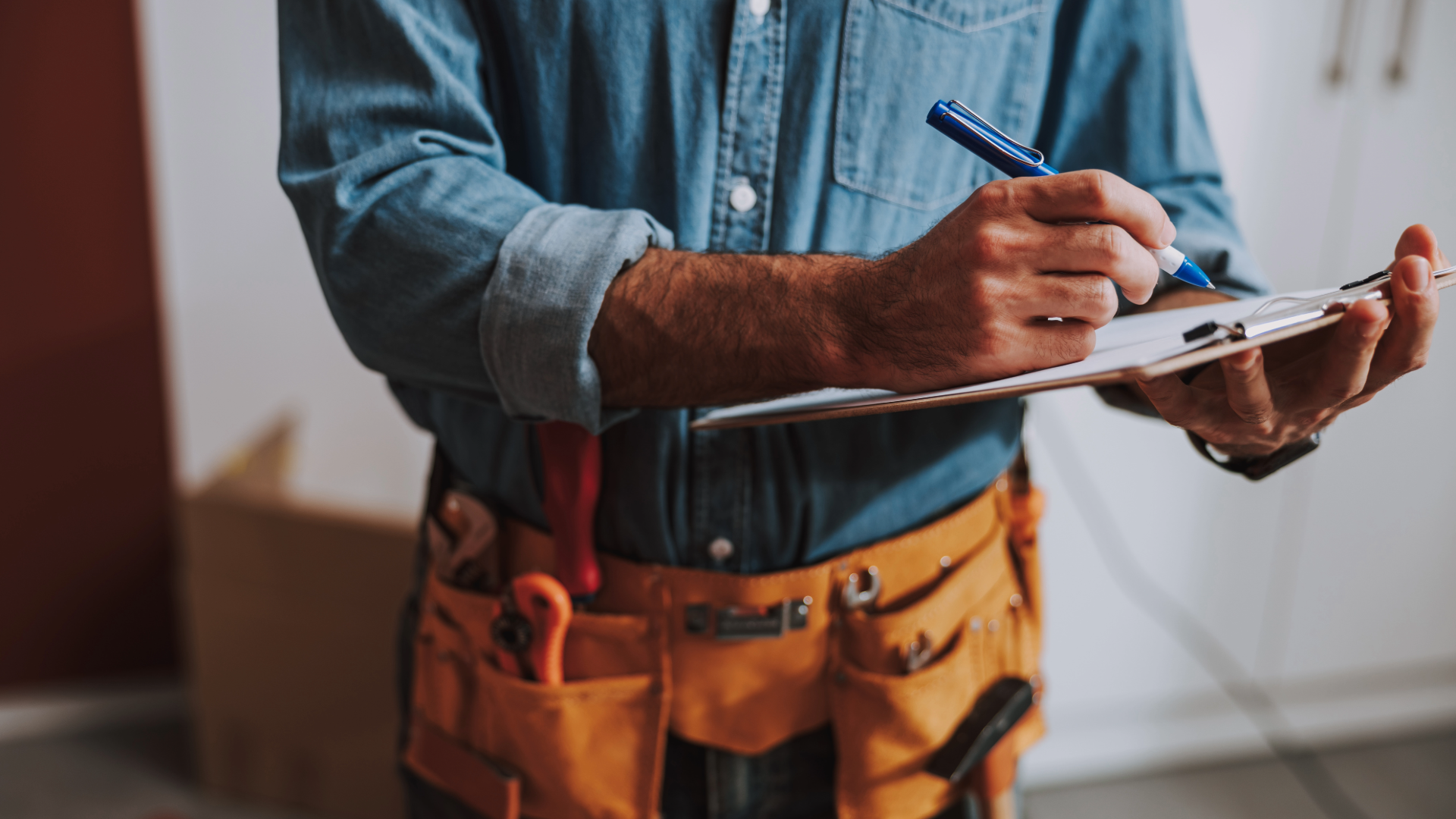
- Schedule a professional home safety and accessibility assessment
- Explore financial assistance programs for repairs or upgrades
- Advocate for neighborhood infrastructure improvements that support mobility and safety
- Connect with local aging-in-place and caregiver support resources
If aging in place is the goal, there are options available to help make it happen.

Overview of aging in place
Aging in place reflects a strong desire among older adults to remain in familiar surroundings, but rising housing costs, deferred repairs, and safety challenges mean that desire alone isn’t enough.
Addressing affordability, home readiness, and access to support is essential for making aging in place not only possible, but safe and sustainable for years to come.
