
Dec 3, 2025
Share:
Subscribe now and get our latest blog and video content delivered straight to your inbox.
Dec 3, 2025
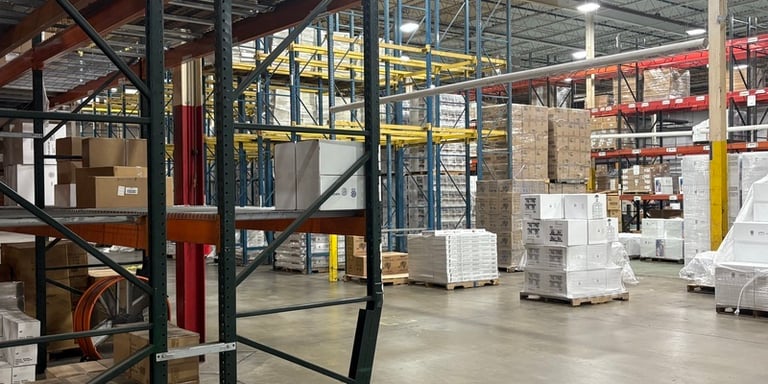
Whether you're a distributor, retailer, or service professional, reliable product availability is the backbone of your business.
Maybe you have a busy month. Maybe there’s a natural disaster that sweeps through your territory, leaving destruction in its wake. Maybe one of your loyal operators scores an apartment job and suddenly needs 500 chimney caps.
No matter the reason, the reality is the same: You need product, and you need it fast.
In this world of just-in-time everything, we find that having deep inventories of products allows for our distributors and retailers to take advantage of unexpected spikes in demand. Lead times can stretch, and by the time inventory is available, the opportunity may have passed.
Why is this? And what exactly is backstock?
By the end of this article, you’ll understand why maintaining abundant inventory matters, and why HY-C takes a unique approach to ensure you have what you need, when you need it.
What is backstock?
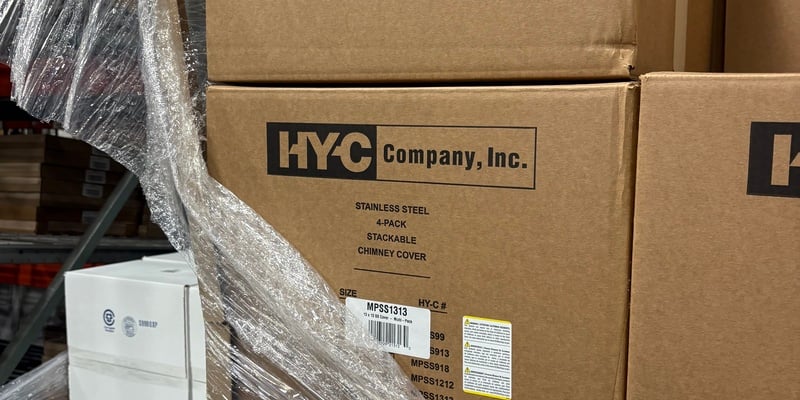
Hustler’s Library defines “backstock” as the inventory of products that a business holds in reserve, typically stored in a warehouse, storeroom, or designated area away from the main sales floor or immediate picking location. It’s the “behind-the-scenes” supply that supports your active, ready-to-sell inventory.
Put simply, backstock is a reserve of finished products that allows a business to replenish items as they’re sold and keep up with fluctuating demand.
In manufacturing environments, backstock enables steady replenishment, uninterrupted product flow, and consistent fulfillment even when orders surge unexpectedly.
Why is it important in home solutions product manufacturing?
For home improvement product manufacturers, backstock isn’t just operational padding — it’s a competitive advantage. In a product category where demand can shift overnight, maintaining a reserve of finished goods is essential for meeting customer needs and keeping the supply chain moving.
Backstock supports several critical functions:
-
Readiness for seasonal surges
Spring and fall bring distinct nuisance wildlife seasons, often causing unpredictable spikes in demand. A multiple-month inventory allows manufacturers to respond immediately, without delays that ripple down to distributors and contractors.
-
Faster, more reliable customer service
When products are ready to ship, customer service teams can focus on connecting with potential customers instead of tracking down inventory. In urgent situations — like a family dealing with raccoons in their attic — immediate product availability is non-negotiable.
-
Consistent production and workforce stability
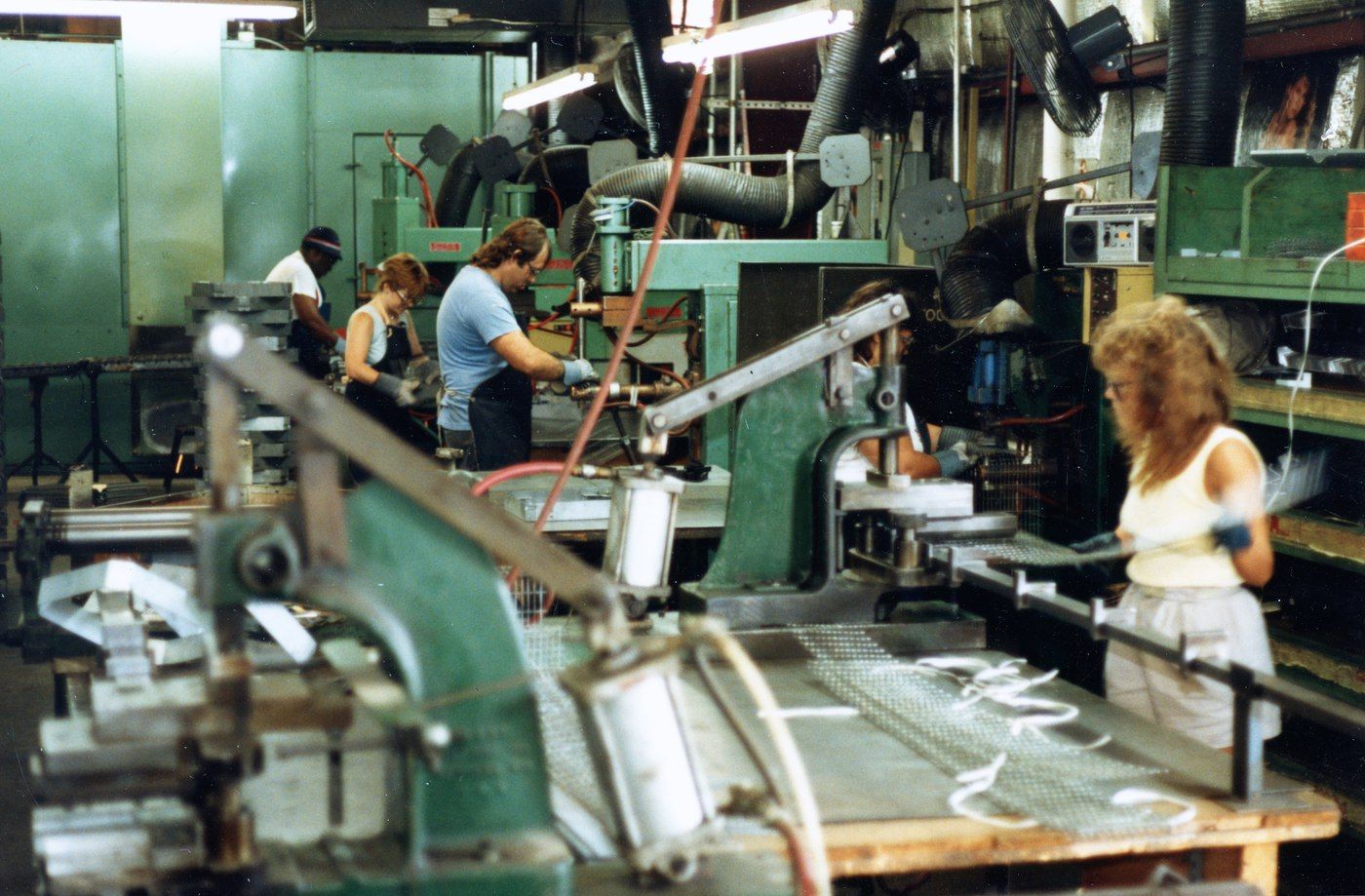
A heavy-inventory approach enables production to run steadily year-round rather than spiking during peak seasons. This prevents burnout, supports predictable scheduling, and aligns workforce capacity with market needs.
-
Stronger long-term business performance
Choosing to hold inventory prioritizes reliability over short-term financial optimization. When demand surges, a manufacturer with ample backstock can respond quickly, strengthening customer trust, improving lead times, and increasing flexibility in the market.
With sufficient backstock, orders are filled promptly, customers feel supported, and operations stay resilient even during unexpected demand spikes.
Why is it uncommon in home solutions product manufacturing?
Despite its importance, backstock is relatively rare in the home solutions industry. Most manufacturers avoid carrying excess finished goods for three key reasons:
-
Pressure to optimize financial performance
Many companies follow a “just-in-time” inventory model to reduce storage costs, free up capital, and minimize the risk of unsold or outdated product. On paper, lean inventory looks efficient, but in practice, it can leave distributors waiting during peak demand.
-
Perception of inefficiency
Professionals trained in lean or just-in-time principles often view excess inventory as waste. Producing items that aren’t immediately needed can feel counterintuitive, even when those items would enable faster fulfillment.
-
Misalignment with market realities and workforce needs
Lean inventory models assume demand is predictable and production can scale up or down easily. Home solutions manufacturers face the opposite: weather-driven fluctuations, wildlife season spikes, and other emergencies that can’t be forecasted with precision. At the same time, employees expect steady, year-round work — something seasonal ramp-ups can’t reliably provide.
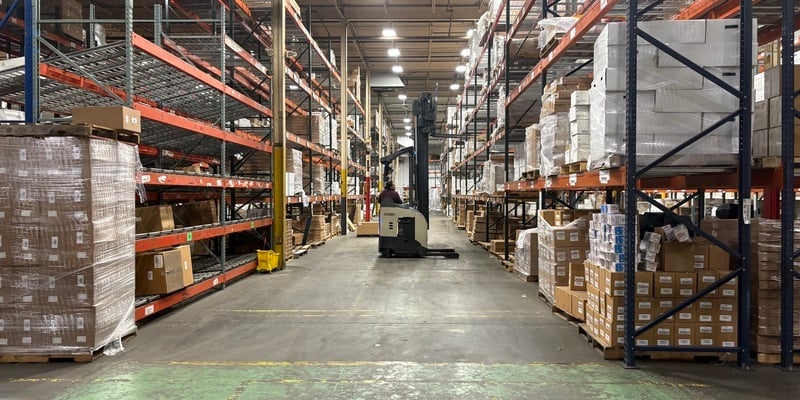
In short, many manufacturers prioritize financial efficiency over readiness. But when demand shifts suddenly, that approach can leave distributors and their customers waiting.
What is the HY-C promise?
HY-C recognizes the importance of having product ready when you need it. We also recognize that life happens — you can’t always expect the unexpected.
Some years, crews on roofs as early as February instead of March. The weather is becoming more and more volatile. Even certain wildlife may eventually show up in places we never expected (for example, armadillos in our home city of St. Louis).

With a substantial reserve of finished goods, those surprises stop being setbacks.
HY-C maintains approximately six months of finished inventory and three to six months of raw materials, which is a deliberately inventory-heavy approach designed to keep orders moving regardless of external conditions. Whether demand spikes sooner or later than expected, HY-C is prepared.
With many companies, financial models drive decisions. At HY-C, the needs of those we serve do. As our president, David Walters, says: “A spreadsheet will tell you to burn inventory down to nothing. Real life tells you to take care of customers.”
For our distributors, this means shorter lead times, fewer stockouts, and the confidence to take on large or time-sensitive orders without hesitation. For contractors and homeowners, it means the right product arrives when it’s needed, not weeks later.
Reliability isn’t just part of our process, it’s our promise. HY-C strives to ensure that everyone we serve — from distributors to operators to end users — feels supported.
