
Jan 23, 2026
Share:
Subscribe now and get our latest blog and video content delivered straight to your inbox.
Jan 23, 2026
If you’re building fires in a traditional fireplace or wood-burning appliance, you may have wondered: Do I actually need a fireplace grate, or is it optional?
The short answer is that a fireplace grate isn’t always required: But it can significantly improve how your fire burns, how much heat you get, and how easy your fireplace is to maintain.
At HY-C, we manufacture several types of fireplace grates, so whether you’re shopping for a replacement or simply learning the basics, here’s what you need to know before deciding if a fireplace grate is right for your setup.
What is a fireplace grate?
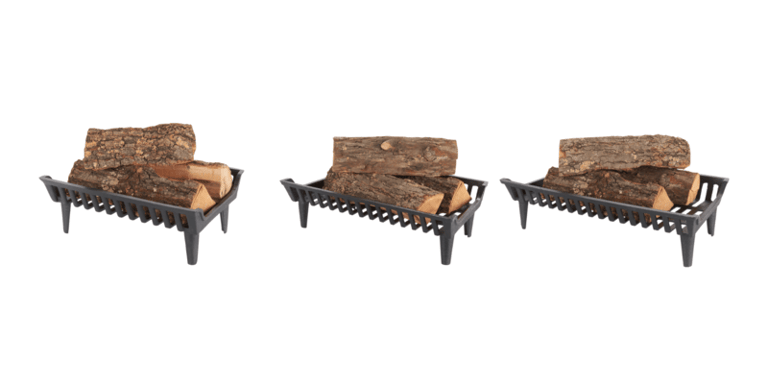
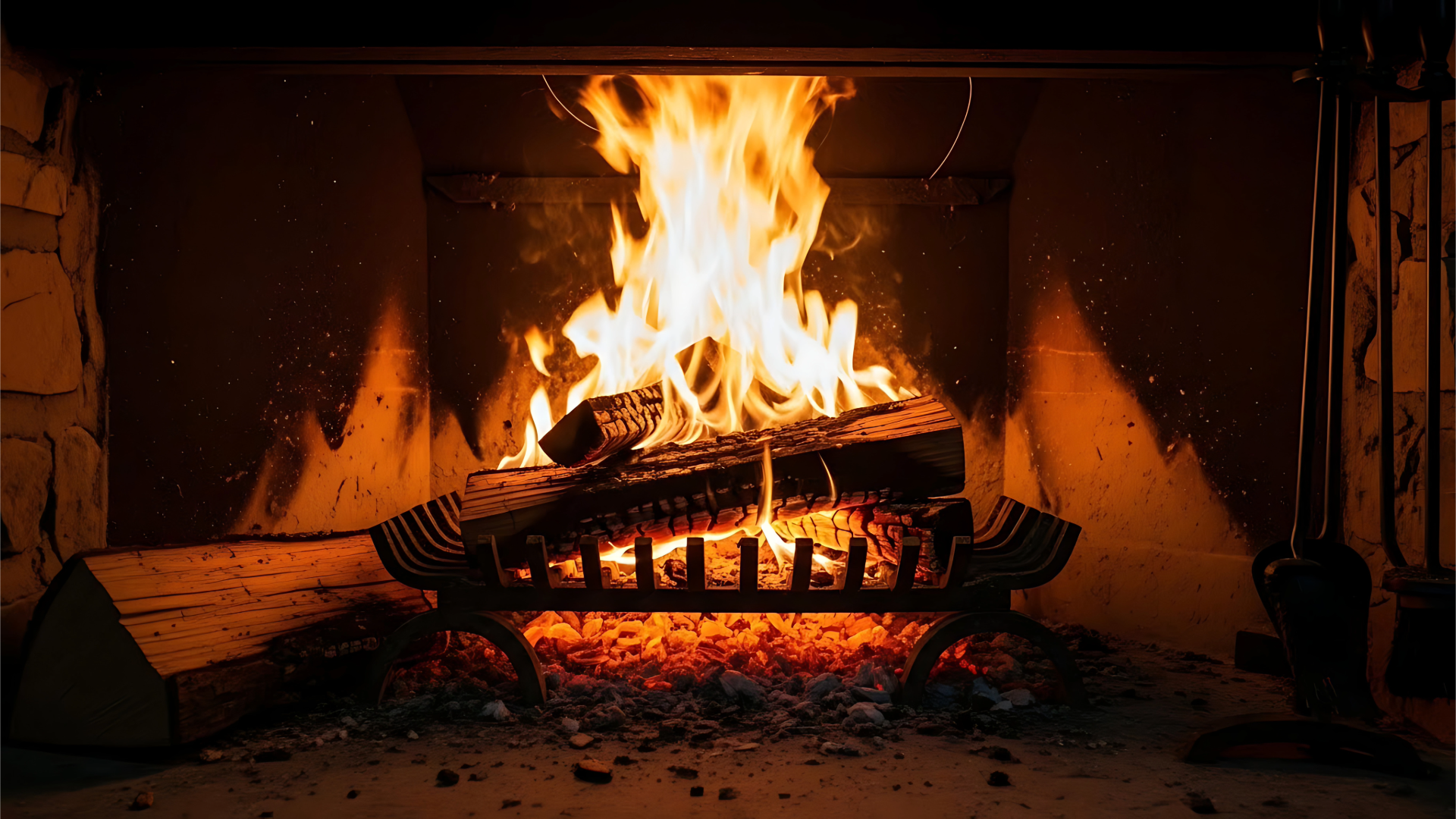
A fireplace grate is a metal support — usually shaped like a cradle or a basket — that holds firewood above the floor of the fireplace.
Fireplace grates are commonly made from cast iron, steel or stainless steel and come in versions ranging from simple bar grates, basket grates, or even specialized designs with ember pans or heat-radiating features.
What do fireplace grates do?
Fireplace grates serve several important purposes:
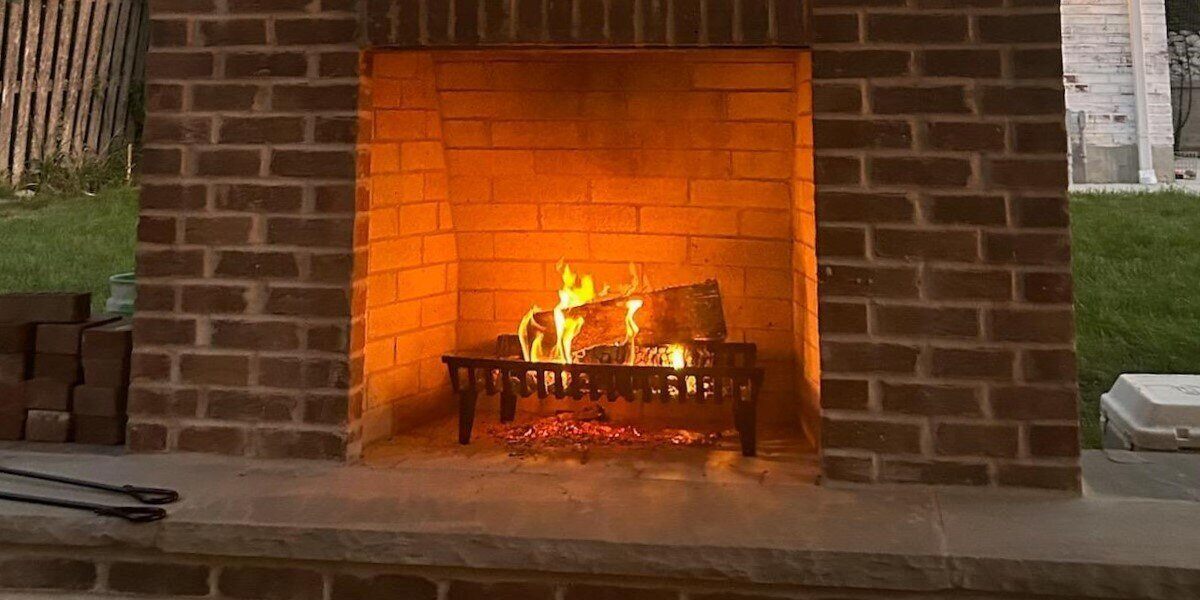
- Improves airflow: Elevates logs so air can circulate underneath and around the fire
- Increases heat: More oxygen leads to hotter, more efficient fires
- Reduces smoke: Better airflow helps smoke draft up the chimney instead of into the room
- Simplifies cleaning: Ash falls through the grate for easier removal
- Protects the hearth: Keeps intense heat off the fireplace floor
In short, a fireplace grate helps your fire burn cleaner, hotter, and more predictably while keeping logs contained safely.
Types of fireplace grates (and why they matter)
Not all fireplace grates are the same, and the material and style you choose can impact both durability and performance.
- Cast iron grates: These are extremely durable and popular for frequent fires, though they can crack under extreme heat or coal use
- Steel bar grates: These are more affordable but less durable; diamond-shaped bars provide added strength
- Stainless steel grates: These are best for outdoor fireplaces or humid environments due to corrosion resistance
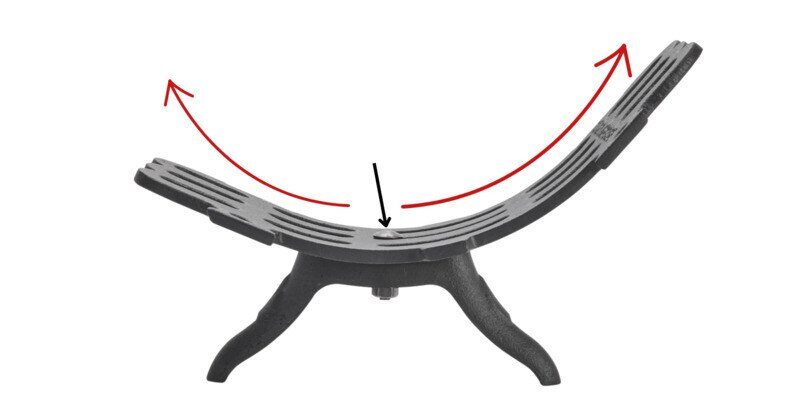
Style also matters. Bar grates are simple and economical, basket grates hold logs securely, and feeder grates ensure a continuous fire by forcing logs to roll toward the center as they burn (though they tend to cost more).
Can you burn wood without a fireplace grate?
Yes — but just because you can, doesn’t mean you should. It largely depends on your fireplace or stove.
In many masonry fireplaces and wood stoves, fires can be built directly on a 1-2 inch bed of ash. This method insulates coals and can improve heat retention and burn time. However, grates are still helpful in open fireplaces where airflow from underneath improves combustion and reduces smoke.
A good rule of thumb to follow:
- For steady heat and efficiency in a traditional fireplace, an ash bed often works well
- For hotter, faster fires or when airflow is limited, a grate may perform better
Always check your appliance’s manufacturer recommendations.
Does fuel type factor in?
Absolutely. Different fuels place different strains and demands on your fireplace grate.
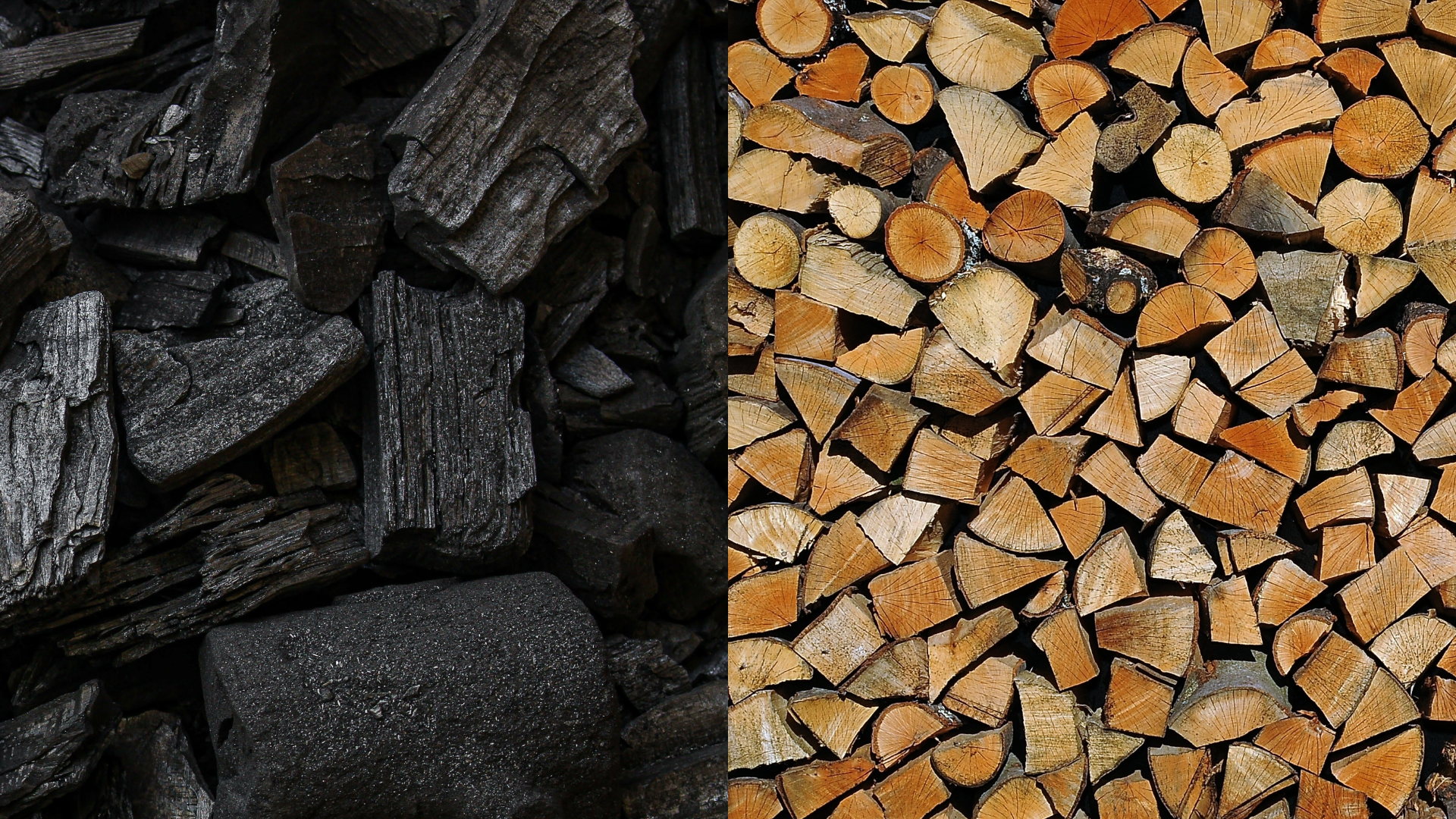
- Hardwoods and coal burn hotter and require heavier-duty options
- Coal needs smaller gaps and consistent airflow from below
- Larger logs benefit from basket or wide-bar grates
Choosing the right grate ensures safety, efficiency, and longer product life.
When should you use a fireplace grate?
A fireplace grate is recommended if you:
- Burn coal (a grate is essential)
- Struggle with poor draft or excess smoke
- Use a manufactured fireplace or stove that requires a grate
- Burn frequently or for long durations
Occasional use may only require a light steel grate, while daily fires are better served by heavy-duty cast iron.
Will a fireplace grate fit my firebox?
Proper sizing is critical. Measure your firebox’s front width, back width, and depth. To allow airflow and prevent overheating, leave about 3 inches of clearance on all sides.
For example, a 24" wide by 15" deep grate needs roughly a 30" by 21" firebox opening. You can reverse the math to determine the maximum grate size your fireplace can handle safely.
So, do you need a fireplace grate?
TL;DR: No — you don’t need a fireplace grate, but in many cases, it’s a smart upgrade.
A grate can improve airflow, increase heat, reduce smoke, and protect your hearth. If you burn often, use coal, or want a cleaner, more controlled fire, a quality grate is worth the investment.
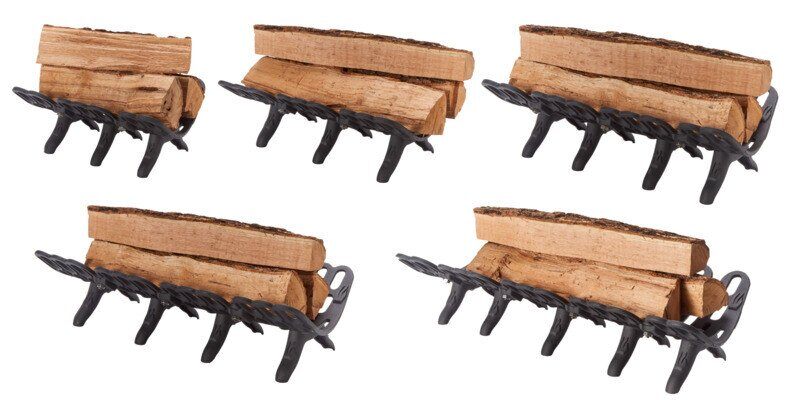
Our Liberty Foundry Co.™ brand makes five cast iron and one steel bar grate in sizes from small to extra large. The list goes as follows:
- Liberty Foundry Co. G500 Sampson Series Fireplace Grates
- Liberty Foundry Co. Franklin G Series Fireplace Grates
- Liberty Foundry Co. GT SAF-T-GRATE Series Fireplace Grates
- Liberty Foundry Co. G800 Series Fireplace Grates
- Liberty Foundry Co. G1000 Series Fireplace Grates
Whether you use Liberty Foundry Co. or not, when selecting a fireplace grate, remember these steps:
- Measure your firebox
- Decide how often you burn
- Consider your fuel type
- Choose a material and style that fits your needs
A well-chosen fireplace grate not only supports your fire, it also improves the entire fire experience.