

Mar 18, 2026
Share:
Subscribe now and get our latest blog and video content delivered straight to your inbox.
Mar 18, 2026
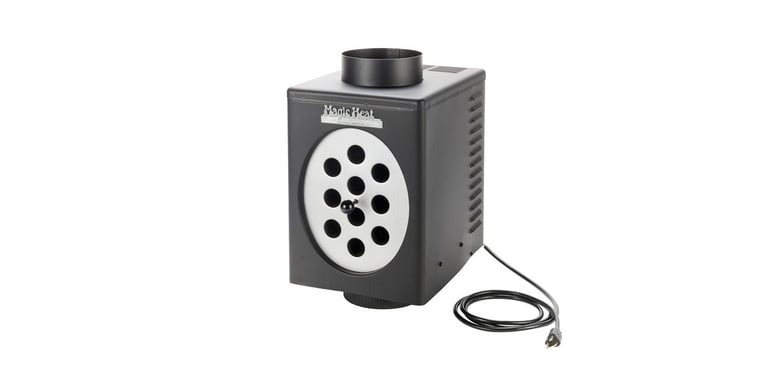
TL;DR: Wood stove heat reclaimers can be safe when properly designed and UL-listed, since older non-UL models sometimes cooled exhaust gases too much or restricted flue diameter, increasing creosote buildup and chimney fire risk. Magic Heat, the only UL-listed heat reclaimer on the market, addresses these concerns by maintaining full flue diameter and proper flue temperature (designed for systems above 350°F) while capturing up to 30% of otherwise-lost heat.
With the amount of heat regularly escaping through chimneys, many homeowners look for ways to recover that lost energy.
One solution is a wood stove heat reclaimer, a device installed on a stovepipe that captures heat from exhaust gases and redirects it back into the room. By using a fan to move air across heated metal tubes, these units return warmth that would otherwise disappear up the flue.
But this raises an important question: Are wood stove heat reclaimers safe?
Some homeowners worry about chimney draft, creosote buildup, and whether heat reclaimers can affect stove performance. Understanding how these devices work — and how modern designs address common concerns — can help determine whether one is right for your heating system.
How Much Heat Is Lost up a Chimney?
When a wood stove burns fuel, not all of the heat produced stays in the home. A portion must leave through the flue to carry smoke and combustion gases safely outside.
While hot exhaust is necessary to maintain a proper chimney draft, it also means valuable heat energy can leave the home before it ever warms the living space. According to the EPA, most certified wood-burning stoves typically lose roughly 20% to 35% of their heat up the flue, as they operate at 65% to 80% efficiency.
Wood stove heat reclaimers are designed to capture some of this lost heat.
Common Concerns About Heat Reclaimers
Homeowners researching wood stove heat reclaimers most often raise a few safety concerns:
- Creosote buildup in the chimney
- Reduced chimney draft or slower exhaust flow
- More frequent chimney cleaning
- Performance differences depending on the stove setup
These generally relate to flue temperature. If exhaust gases cool too much before leaving the chimney, smoke byproducts may condense and form creosote.
Because of this, some non-UL® listed heat reclaimer designs eventually fell out of favor.
What Is a UL Listing?
Safety certification plays an important role in heating equipment.
UL standards, developed by Underwriters Laboratories, evaluate products for hazards such as fire risk, electrical safety, and mechanical reliability.
When a product is UL-listed, it means an independent organization has tested it and verified that it meets established safety requirements. These certifications are often recognized by building inspectors and insurance providers, providing testament to credibility and reputation.
In fact, our Magic Heat® Heat Reclaimers are the only UL-approved heat reclaimers on today’s market.
What Is a Safe Wood Stove Flue Temperature?
Flue temperature plays a major role in chimney safety and performance. If exhaust gases cool too quickly inside the stovepipe, smoke byproducts can condense and form creosote inside the chimney.
Many wood stove systems operate with flue temperatures between 300°F and 650°F (150°C to 345°C) during normal burning conditions. This range helps maintain proper chimney draft while reducing the likelihood of creosote buildup.
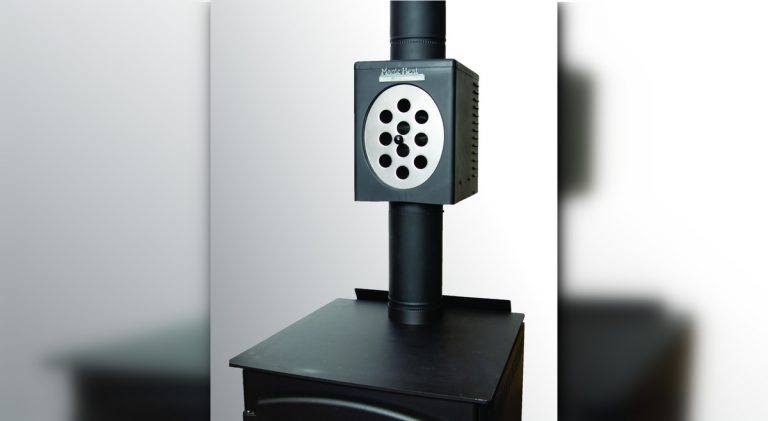
Magic Heat is designed for systems where flue temperatures exceed about 350°F (117°C), ensuring enough heat remains in the exhaust for safe venting. When properly installed and used with an appropriate heating setup, a heat reclaimer can capture excess heat while still allowing combustion gases to safely exit the chimney.
Why Did Some Heat Reclaimers Fall Out of Use?
As mentioned, non-UL listed heat reclaimer designs sometimes raised safety concerns because they could cool exhaust gases too much or restrict airflow. Issues associated with non-UL listed designs included:
- Lower flue temperatures increasing creosote accumulation in chimneys
- Excess creosote being one of the leading causes of chimney fires
- Some designs reducing the effective diameter of the flue pipe, which could interfere with proper venting
With these factors in mind, many non-UL listed models were discontinued or discouraged for certain heating systems.
How Heat Reclaimers Capture Lost Chimney Heat
Heat reclaimers work by transferring heat from the hot exhaust pipe to air circulating in the room. As exhaust gases travel up the stovepipe, internal metal tubes absorb that heat. A fan then moves room air across those tubes, pushing the warmed air back into the living space.
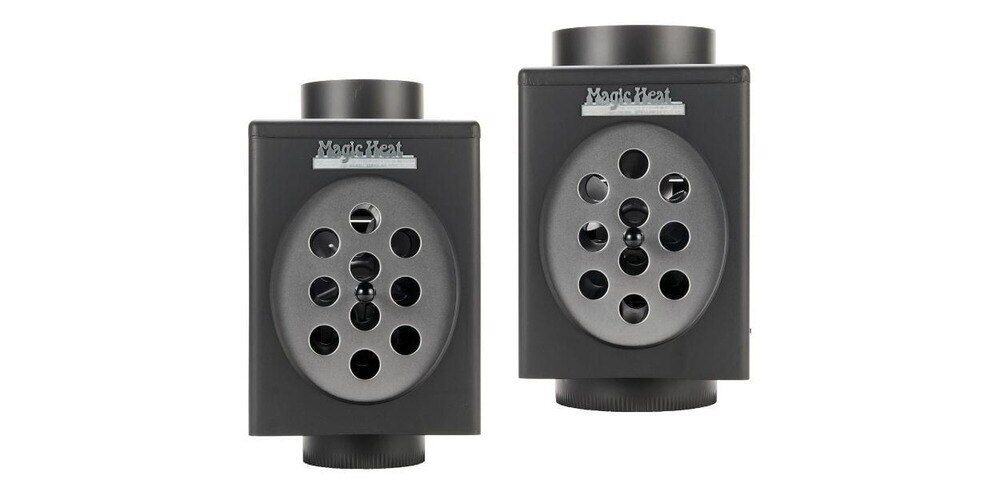
Magic Heat is designed to capture heat from a wood or coal stove’s exhaust without restricting the flow of flue gases. Magic Heat also:
- Fits 6-inch or 8-inch flue pipes
- Has a thermostat-controlled fan
- Features a built-in soot scraper to help keep heat tubes clean
- Can save up to 30% of lost heat
And again, Magic Heat reclaimers are the only UL-listed heat reclaimers in the market today. For a deeper breakdown of the device and how it operates, see our guide on how reclaimers work and our honest review of Magic Heat.
The Safety of Wood Stove Heat Reclaimers
So, are wood stove heat reclaimers safe? The answer depends on the design.
Non-UL listed models sometimes created safety concerns if they restricted airflow or cooled exhaust gases too much, but newer, properly engineered units that maintain full flue diameter and meet recognized safety standards can successfully reclaim heat that would otherwise be lost through the chimney.
Magic Heat reclaimers are designed with these safety considerations in mind, helping homeowners capture additional warmth from wood or coal heating appliances while maintaining safe and efficient operation.
